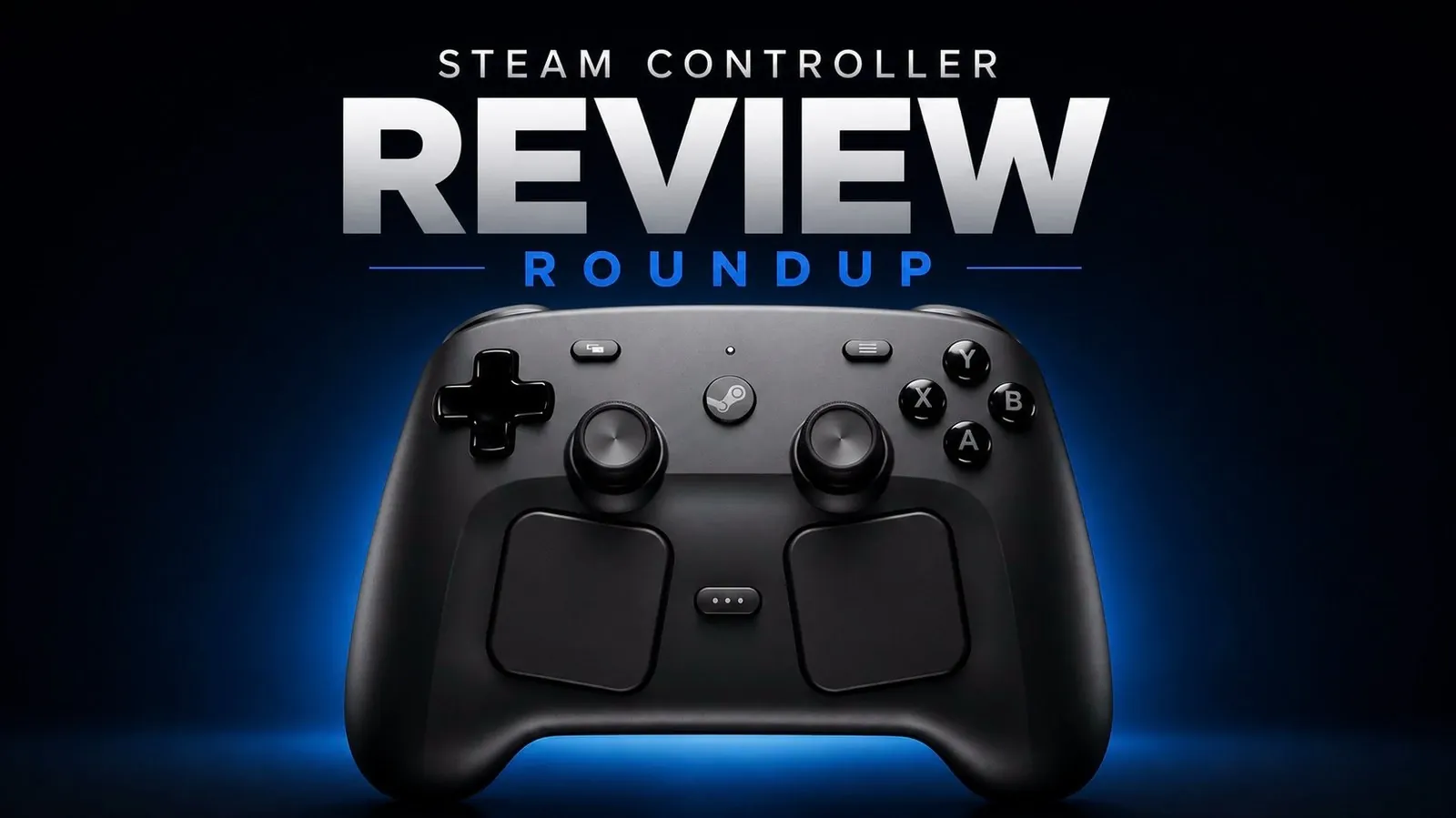
The Steam Controller has carved out a unique space in gaming hardware, blending the precision of keyboard-and-mouse setups with the comfort of a traditional controller. In this overview, NerdNest examines how features like its advanced haptics and customizable touchpads cater to a wide range of gaming styles, from first-person shooters to strategy games. The discussion also touches on the challenges the controller faced at launch, including its unconventional design and a steep learning curve, which required users to adapt to its unique layout.
Explore how the Steam Controller’s cross-platform compatibility and community-driven customization options have shaped its reception among gamers. You’ll also gain insight into the broader context of its release, including its influence on gaming hardware trends and the lessons it offers for future devices. This review provides a thoughtful look at both the controller’s strengths and the hurdles it encountered, offering valuable takeaways for players and industry observers alike.
What Sets the Steam Controller Apart?
TL;DR Key Takeaways :
- The Steam Controller introduced innovative features like advanced haptics, cross-platform compatibility and extensive customization options, aiming to blend keyboard-and-mouse precision with controller comfort.
- Its launch faced challenges, including stock shortages and a steep learning curve, prompting Valve to implement a reservation system and offer community-driven customization profiles.
- Broader gaming industry developments include the PS5 Linux hack for non-gaming applications, Nintendo Switch 2’s controversial pricing strategies and Bungie’s struggles with Marathon due to declining player engagement.
- Emerging trends in gaming include leverless controllers for competitive play, Blender’s growing role in game development and increased interest in educational resources about gaming history.
- The Steam Controller’s legacy highlights the industry’s drive for innovation, despite market challenges, while reflecting the dynamic interplay of technology, creativity and community in gaming’s evolution.
The Steam Controller stands out due to its innovative design and functionality, aiming to redefine how players interact with games. Its unique features include:
- Advanced Haptics: The controller incorporates precise rumble feedback and gyro functionality, allowing motion-based controls that enhance immersion in genres such as first-person shooters and strategy games.
- Cross-Platform Compatibility: Designed to work seamlessly with Steam OS, Windows and Linux, the controller offers versatility for gamers across different platforms.
- Customization Options: Valve released CAD files for the controller, allowing users to 3D print custom parts. This opens up opportunities for ergonomic adjustments and personalized designs.
- Enhanced Usability: Improved bumpers and back buttons provide competitive players with greater control and responsiveness during intense gameplay.
These features position the Steam Controller as a forward-thinking device, offering a blend of innovation and practicality. However, its journey to market was not without its challenges.
Launch Challenges and Valve’s Strategy
Despite its innovative design, the Steam Controller’s launch was hindered by logistical issues. Early adopters encountered stock shortages, leading to widespread frustration and a surge in scalping. To address these problems, Valve introduced a reservation system to manage demand and ensure fair distribution. While this approach alleviated some concerns, it also highlighted the complexities of launching niche gaming hardware in an already competitive market.
The controller’s reception was further complicated by its steep learning curve. Many players found the touchpads and unconventional button layout difficult to adapt to, especially when transitioning from traditional controllers. Valve responded by offering extensive customization options and community-driven profiles, allowing users to tailor the controller’s functionality to their preferences. These efforts demonstrated Valve’s commitment to refining the user experience, even in the face of initial criticism.

Here is a selection of other guides from our extensive library of content you may find of interest on Steam Controller.
- $60 Steam Controller 2 is Packing Features PC Gamers Have Been Waiting For
- Is Valve’s New $99 Steam Controller Actually Worth the Price?
- Steam Controller Hands on First Look : Worth the Premium $99 Upgrade?
- Why the New Steam Controller’s Deep Customization Might Overwhelm You
- How Valve Just Ruined Scalpers’ Plans for the Next Steam Controller Inventory
- 13 Hidden Steam Controller Features You Probably Missed
- Unboxing Valve’s Most Unique Hardware : Steam Controller
- Steam Controller’s Capacitive Grips Will Change How You Play
- Steam Controller 2026 is So Close to Being the Perfect Gamepad
- New Valve Steam Controller Tested by Gamers Nexus : Here’s What They Found
Broader Industry Developments
The Steam Controller’s story unfolds against the backdrop of broader trends and events in the gaming industry. Several key developments illustrate the dynamic nature of this space:
- PS5 Linux Hack: The ability to run Linux on Sony’s PS5 has captured the attention of tech enthusiasts. This hack enables users to repurpose the console for tasks like software development and media editing. However, limitations in memory allocation and hardware optimization prevent the PS5 from fully competing with dedicated gaming PCs or Steam Machines. This development highlights the growing trend of repurposing gaming hardware for non-gaming applications.
- Nintendo Switch 2 Pricing Strategies: The upcoming Nintendo Switch 2 has sparked debates over its regional price increases, particularly in Japan. Analysts attribute these hikes to factors such as currency fluctuations and bundled game offerings. While the price adjustments have drawn criticism, they also reflect Nintendo’s confidence in the console’s appeal and its ability to attract a loyal fan base despite higher costs.
- Bungie’s Marathon Struggles: Bungie’s multiplayer game, Marathon, has faced challenges in retaining its player base. Declining concurrent users and financial difficulties have raised concerns about the game’s future. Industry experts suggest that introducing a single-player campaign could broaden its appeal and revitalize interest in the title. For now, the game’s trajectory remains uncertain, underscoring the difficulties of sustaining engagement in live-service games.
These developments illustrate the diverse challenges and opportunities that define the gaming industry today.
Emerging Trends Shaping the Gaming Landscape
Beyond individual products and titles, the gaming industry is experiencing broader trends that are reshaping how players engage with games. These include:
- Leverless Controllers: Designed for competitive players, these devices offer an alternative input method that prioritizes precision and speed, particularly in fighting games and esports.
- Blender’s Role in Game Development: The open source 3D modeling tool is becoming increasingly popular among developers and hobbyists for creating game assets, animations and environments.
- Educational Resources: Books, documentaries and YouTube channels dedicated to gaming history are helping enthusiasts deepen their understanding of the industry’s evolution and cultural impact.
These trends highlight the interplay between technological advancements, creative innovation and the growing demand for accessible educational content within the gaming community.
Balancing Nostalgia and Modernization
The gaming industry often grapples with the challenge of balancing nostalgia with innovation. A prime example is the announcement of a Star Fox reboot. While many fans are excited about the return of this beloved franchise, others have expressed concerns over updated character designs and gameplay mechanics. The developers aim to blend the series’ nostalgic charm with modern features, potentially reigniting interest in the franchise. This delicate balance underscores the importance of honoring a game’s legacy while meeting contemporary expectations.
The Steam Controller’s Legacy
The Steam Controller serves as a testament to the gaming industry’s drive for innovation. Its advanced features and customization options cater to a diverse range of player needs, from casual gamers to competitive enthusiasts. However, its launch challenges underscore the complexities of introducing niche hardware in a crowded market. As the gaming landscape continues to evolve, devices like the Steam Controller remind us of the industry’s capacity for experimentation and its commitment to enhancing the player experience. Meanwhile, developments such as the PS5 Linux hack, Nintendo Switch 2 pricing strategies and Bungie’s Marathon struggles reflect the broader forces shaping the industry. Gaming remains a dynamic and ever-changing field, driven by technological progress, creative storytelling and the passion of its community.
Media Credit: NerdNest
Disclosure: Some of our articles include affiliate links. If you buy something through one of these links, Geeky Gadgets may earn an affiliate commission. Learn about our Disclosure Policy.
