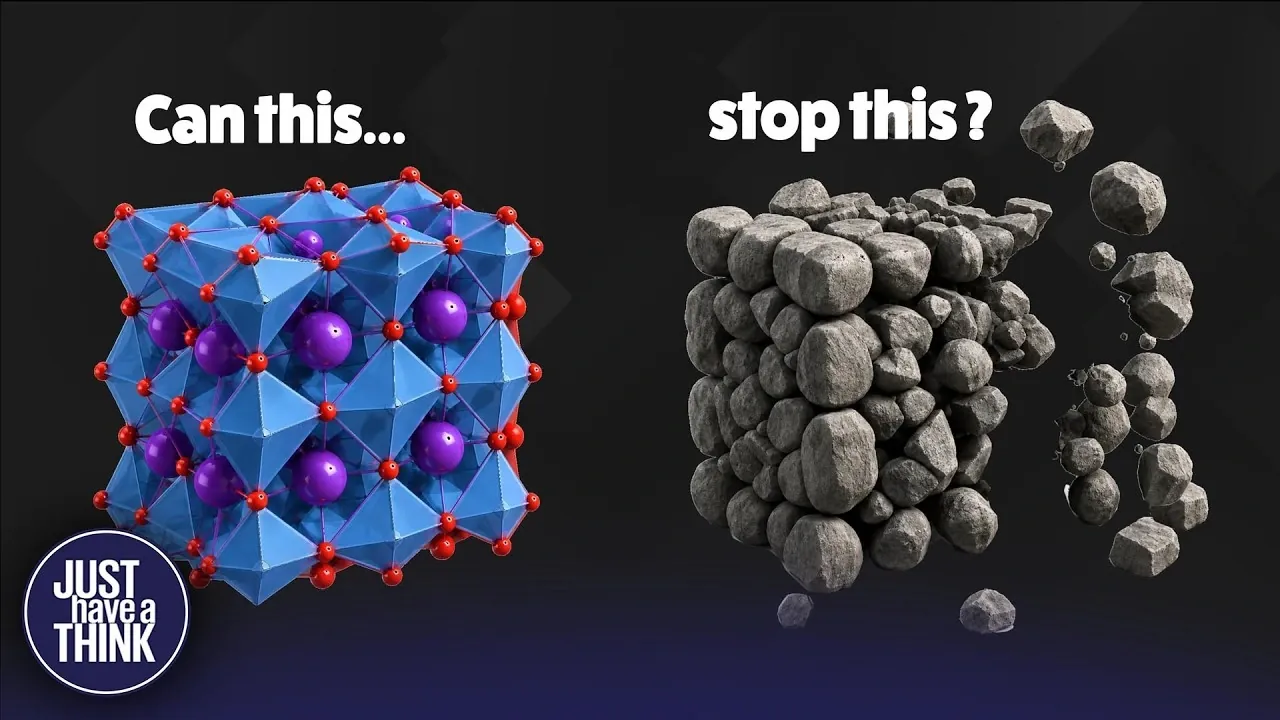
For decades, lithium-ion batteries have been the backbone of energy storage, powering everything from smartphones to electric vehicles. However, their reliance on scarce materials like cobalt and nickel has raised concerns about sustainability, cost and ethical sourcing. In a recent analysis by Just Have a Think, the discussion shifts toward emerging alternatives such as lithium iron phosphate (LFP) and sodium-ion batteries. These technologies are not only addressing the limitations of traditional lithium-ion systems but also carving out specialized roles in areas like stationary energy storage and cost-sensitive markets. For instance, LFP batteries offer enhanced safety and durability without relying on expensive raw materials, while sodium-ion batteries use abundant resources to provide affordable and stable energy solutions.
Explore how these advancements are reshaping the energy storage landscape. You’ll gain insight into the specific advantages of LFP batteries, including their ability to reduce thermal risks and extend lifespan, making them ideal for electric vehicles and grid storage. Additionally, uncover the potential of sodium-ion batteries to lower production costs and support renewable energy systems, despite their lower energy density. This breakdown highlights the growing diversity in battery technologies and the critical role they play in meeting the evolving demands of a sustainable energy future.
Established Leader Facing New Challenges
TL;DR Key Takeaways :
- The battery industry is evolving with alternatives like Lithium Iron Phosphate (LFP) and Sodium-Ion batteries challenging traditional lithium-ion systems, driven by the need for safer, cost-effective and sustainable energy storage solutions.
- LFP batteries offer enhanced safety, lower production costs and improved longevity, making them ideal for cost-sensitive applications such as electric vehicles (EVs) and stationary energy storage systems.
- Sodium-ion batteries, using abundant and inexpensive materials, provide excellent thermal stability and affordability, positioning them as a sustainable option for stationary storage and lower-performance EVs despite lower energy density.
- Technological advancements, such as dual aluminum foil current collectors and polyanion cathodes, are driving down costs and improving the performance of sodium-ion batteries, making them increasingly competitive in the market.
- The diversification of battery technologies is creating a fragmented market, with tailored solutions addressing specific applications, reducing reliance on scarce materials and supporting global sustainability and energy transition goals.
Lithium-Ion Batteries
Lithium-ion batteries have long been the cornerstone of modern energy storage, celebrated for their high energy density, reliability and versatility. They have been instrumental in advancing industries that require compact and powerful solutions, particularly in EVs and consumer electronics. However, their reliance on scarce materials such as cobalt and nickel poses significant challenges. These materials are not only expensive but also associated with environmental degradation and ethical concerns tied to mining practices.
As global demand for batteries continues to surge, the limitations of lithium-ion technology are becoming increasingly apparent. The rising costs of raw materials, coupled with supply chain vulnerabilities, have intensified the search for alternatives. While lithium-ion batteries remain indispensable for high-performance applications, their long-term sustainability is under scrutiny, especially as industries seek greener and more cost-effective solutions.
Lithium Iron Phosphate (LFP): A Safer, More Affordable Alternative
Lithium iron phosphate (LFP) batteries are emerging as a viable alternative to traditional lithium-ion systems, offering a combination of safety, affordability and durability. Initially confined to low-energy applications, advancements in LFP technology have expanded its use to mainstream EVs, including high-performance models.
Key advantages of LFP batteries include:
- Enhanced safety, with a significantly reduced risk of thermal runaway compared to lithium-ion systems.
- Lower production costs, as they do not require expensive materials like cobalt or nickel.
- Improved longevity, with a higher number of charge-discharge cycles.
These attributes make LFP batteries particularly appealing for cost-sensitive consumers and industries prioritizing safety and reliability. As a result, they are gaining traction not only in EVs but also in stationary energy storage systems, where durability and affordability are critical. The growing adoption of LFP batteries underscores their potential to address some of the key challenges facing the energy storage sector.

Become an expert in energy with the help of our in-depth articles and helpful guides.
- Proxima Fusion Plans the Alpha Stellarator for the Early 2030S
- How the Super Soaker Inventor Built a Heat Engine Without Moving Parts
- Best Phone Battery Life 2025: OnePlus 15, vivo X300 Pro, & iPhone 17 Pro Max
- SeaTwirl’s IKEA-Style Turbines Cut Deep-Water Energy Costs
- Apple Home vs Google Home: How iOS 27 Changes the Ecosystem
- Apple Silicon AI Performance: Local Al on Apple Silicon Uses 7X Less RAM
- Apple Watch Ultra 4 Leak Reveals Redesign and Health Features
- The Biggest Hidden Features Inside Apple’s iOS 27 Update
- What Makes the Seawater Battery a Breakthrough for Sustainability
- Google DeepMind CEO Says AGI Could Arrive in 3 to 5 Years
Sodium-Ion Batteries: A Sustainable and Affordable Contender
Sodium-ion batteries are rapidly transitioning from experimental technology to commercial viability, offering a compelling alternative for specific applications. Unlike lithium-based systems, sodium-ion batteries rely on abundant and inexpensive raw materials, such as sodium, which is widely available and evenly distributed across the globe. This makes them a cost-effective and sustainable option, particularly for applications where affordability and safety are prioritized over compactness.
Sodium-ion batteries also provide excellent thermal stability, reducing the risk of overheating and making them ideal for stationary energy storage and lower-performance EVs. However, their lower energy density compared to lithium-ion batteries limits their use in high-performance applications. Despite this drawback, their affordability and environmental benefits position them as a strong candidate for markets where these factors outweigh the need for high energy density.
Innovations Driving Sodium-Ion Battery Adoption
Recent technological advancements are accelerating the adoption of sodium-ion batteries, making them increasingly competitive in the global market. Key innovations include:
- Dual aluminum foil current collectors, which simplify manufacturing processes and reduce costs.
- Polyanion cathodes, which enhance cycle life, stability and overall performance.
These breakthroughs have driven production costs down to as low as $51 per kilowatt-hour at the cell level, a significant milestone in making sodium-ion batteries a commercially viable option. With these cost reductions, sodium-ion batteries are becoming particularly attractive for applications such as renewable energy storage and large-scale industrial systems, where affordability and safety are paramount.
Applications and Emerging Market Trends
The growing demand for energy storage solutions across various sectors is driving the adoption of alternative battery technologies. Sodium-ion batteries, in particular, are well-suited for applications that prioritize cost and safety over compactness. Key areas of adoption include:
- Stationary energy storage systems, such as those supporting wind farms and solar parks, where reliability and affordability are critical.
- AI data centers, which require large-scale, safe and cost-effective battery systems to support continuous operations.
Industry analysts predict that sodium-ion batteries could capture up to 20% of the global battery market by 2030. This potential highlights their ability to meet the evolving needs of diverse applications while addressing the economic and environmental challenges associated with traditional battery technologies.
A Fragmented Market: The Future of Battery Technology
The diversification of battery technologies is creating a fragmented market, where no single solution dominates. Instead, different chemistries are being optimized for specific applications, reflecting the growing complexity and specialization of energy storage needs. While lithium-ion batteries are likely to remain the preferred choice for high-performance EVs, alternatives like LFP and sodium-ion batteries are carving out niches in stationary storage and cost-sensitive sectors.
This shift is being driven by substantial research and development investments, particularly in China, where rapid innovation is accelerating the deployment of new battery technologies. The diversification of the market not only enhances competition but also ensures that a broader range of energy storage solutions is available to meet the unique demands of various industries.
Economic and Environmental Implications
The transition to alternative battery chemistries has far-reaching economic and environmental implications. By reducing reliance on scarce and ethically problematic materials like cobalt, nickel and even lithium, these technologies promise to:
- Lower production costs, making energy storage more accessible to a wider range of industries and consumers.
- Enhance sustainability, by minimizing the environmental impact of battery production and disposal.
Projections indicate that sodium-ion batteries could achieve cost parity with LFP systems by 2035, further increasing their appeal. These advancements align with global efforts to transition to cleaner energy systems, supporting the broader goal of reducing carbon emissions and combating climate change.
Rethinking the Future of Batteries
The battery industry is at a pivotal juncture, driven by the need to address diverse energy requirements while minimizing environmental impact. Emerging technologies like LFP and sodium-ion batteries are challenging the dominance of lithium-ion systems, offering safer, more sustainable and cost-effective alternatives. As the market continues to fragment, tailored battery technologies will play a critical role in supporting the global energy transition. Whether for EVs, renewable energy storage, or AI data centers, the future of batteries lies in innovation, adaptability and a willingness to embrace new perspectives. The question remains: are we ready to rethink how we power the world?
Media Credit: Just Have a Think
Disclosure: Some of our articles include affiliate links. If you buy something through one of these links, Geeky Gadgets may earn an affiliate commission. Learn about our Disclosure Policy.
