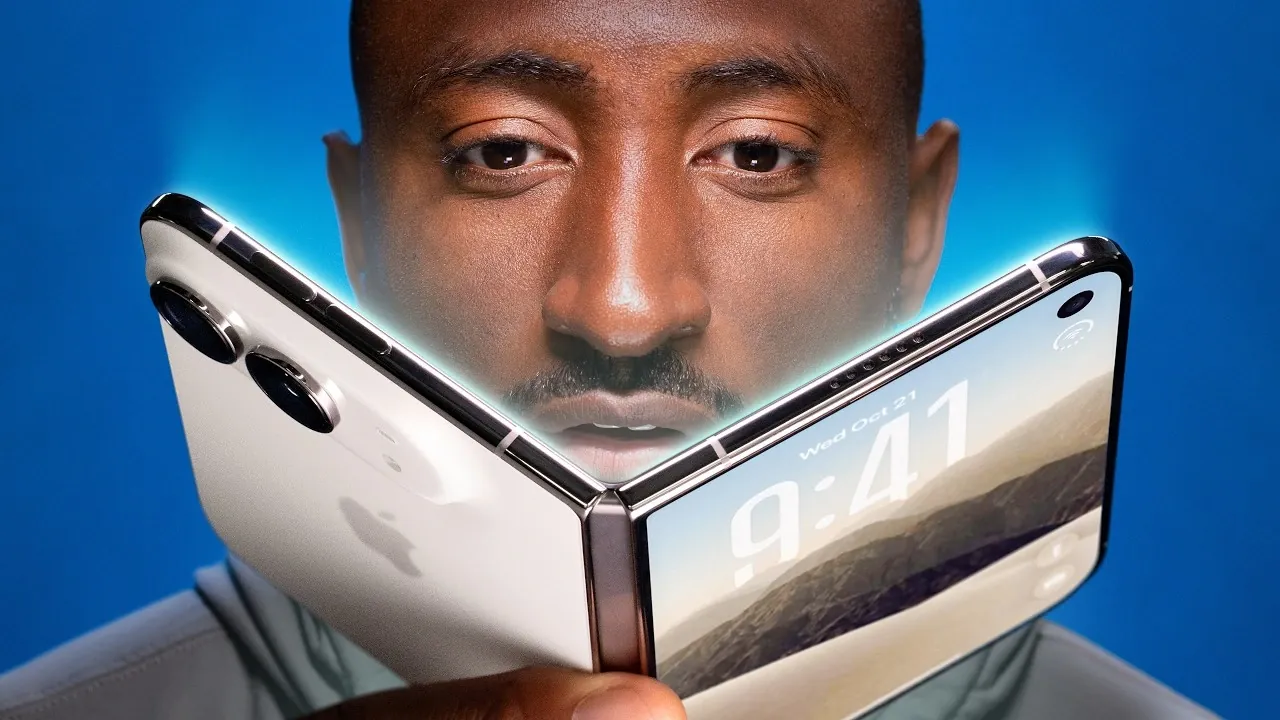
Apple’s iPhone Duo marks a pivotal moment as the company steps into the foldable smartphone market. This first-generation device merges Apple’s signature design principles with innovative features, offering a glimpse into the evolving landscape of mobile technology. However, as with any new product, it comes with compromises that potential users should carefully consider. The video below from Marques Brownlee gives us a detailed look at Apple’s first foldable.

Design and Build: Premium Craftsmanship with Practical Trade-Offs
The iPhone Duo exemplifies Apple’s commitment to quality and aesthetics. Its titanium frame and curved glass exterior create a sleek, modern look, while the nano-texture finish reduces glare and fingerprints, maintaining a polished appearance. The hinge mechanism is a standout feature, offering a smooth and reliable folding experience that feels robust and well-engineered. Additionally, the device is rated IP68 for water and dust resistance, making sure durability in everyday scenarios.
However, the foldable design introduces certain trade-offs. The iPhone Duo is noticeably heavier and thicker compared to competitors like the Samsung Galaxy Z Fold series. While the premium materials enhance its visual appeal and durability, they also contribute to its bulk, which could impact portability and comfort for users accustomed to slimmer devices. For those prioritizing a lightweight and compact phone, this added heft may be a drawback.
Display and Features: Immersive Yet Imperfect
The iPhone Duo features a 7.6-inch 120Hz OLED inner display that delivers vibrant colors, deep contrast and smooth motion. The nano-texture finish enhances visibility in bright environments, making it easier to use outdoors. The transition between folded and unfolded modes is seamless and Apple has introduced a dynamic standby mode that displays useful information when the device is folded. Multitasking capabilities allow users to run two apps side by side, enhancing productivity and convenience.
Despite these strengths, the foldable display has its limitations. Many third-party apps are not yet optimized for the unique screen format, leading to inconsistent layouts and functionality. While the 120Hz refresh rate ensures fluid scrolling, concerns about the long-term durability of the foldable screen remain. Additionally, the crease in the middle of the display, though subtle, may be noticeable to some users, especially under certain lighting conditions.
Performance and Battery: Power Meets Practicality
Powered by the A20 Pro chip, the iPhone Duo delivers exceptional performance across a wide range of tasks. Whether multitasking, gaming, or streaming, the device handles demanding applications effortlessly. The 4,900mAh battery supports all-day usage under moderate conditions, making it a reliable choice for work and entertainment. Apple’s energy-efficient chip design further enhances the device’s ability to balance performance with battery life.
However, battery performance can vary based on usage. Prolonged multitasking or running resource-intensive apps on the foldable display may drain the battery more quickly. While the A20 Pro chip’s efficiency helps mitigate this, heavy users may find themselves needing to recharge more frequently. Additionally, the lack of ultra-fast charging options could be a drawback for users who rely on quick top-ups during the day.
Camera System: Functional but Falls Short of Expectations
The iPhone Duo’s camera system includes a 48MP standard lens and an ultrawide lens, delivering sharp and detailed images in most lighting conditions. The under-display selfie camera is an innovative addition, maintaining the uninterrupted design of the inner screen. However, its performance is underwhelming, particularly in low-light or high-detail scenarios, where images may lack clarity and sharpness.
The absence of advanced camera features such as ProRes video recording and telephoto zoom is noticeable, especially for users accustomed to the high-end capabilities of other iPhones. While the camera system is adequate for casual photography, it may not satisfy users seeking professional-grade tools or those who frequently capture detailed or zoomed-in shots.
Software and App Optimization: Progress with Challenges
Running on iOS 27.1, the iPhone Duo introduces software enhancements tailored to its foldable design. Features like split-screen multitasking and fold-specific animations improve usability and make the device feel intuitive. Apple’s attention to detail in creating a smooth user experience is evident, particularly in the seamless transitions between folded and unfolded modes.
However, third-party app optimization remains a significant challenge. Many apps fail to fully use the foldable display, resulting in awkward layouts and limited functionality. This inconsistency can detract from the overall user experience, especially for those who rely on a wide range of apps. Additionally, the fingerprint reader, integrated into the side of the device, occasionally experiences delays or glitches, which may frustrate users accustomed to Apple’s typically seamless hardware and software integration.
Who Should Consider the iPhone Duo?
The iPhone Duo is an ideal choice for early adopters and tech enthusiasts eager to explore Apple’s take on foldable technology. Its innovative design, premium materials and polished software features make it an exciting option for those who value innovative advancements. However, it may not appeal to users seeking a lightweight device, advanced camera capabilities, or flawless app functionality. Professionals or casual users who prioritize portability or rely heavily on third-party apps may find the current limitations of the iPhone Duo less appealing.
Pros and Cons
- Pros:
- Innovative foldable design with seamless animations and transitions.
- Durable build featuring premium materials and robust hinge mechanics.
- Efficient performance powered by the A20 Pro chip.
- Reliable battery life for moderate use.
- Cons:
- Heavier and thicker than competing foldable devices.
- Limited app optimization for the foldable display.
- Missing advanced camera features like telephoto zoom and ProRes video recording.
- Occasional software bugs, including fingerprint reader delays.
The Future of Foldable iPhones
The iPhone Duo represents Apple’s bold entry into the foldable smartphone market, blending innovation with the company’s renowned design philosophy. While it showcases exciting possibilities for the future of mobile devices, it also highlights the challenges of first-generation technology. The device’s weight, limited app optimization and camera compromises may deter some users, but for those willing to embrace its potential, the iPhone Duo offers a unique and forward-looking experience.
As Apple refines its approach to foldable technology, future iterations of the iPhone Duo are likely to address these shortcomings, paving the way for a more polished and versatile product. For now, the iPhone Duo serves as both a statement of intent and a glimpse into the possibilities of foldable smartphones.
Deep dive into the latest in iPhone Duo by exploring our other resources and articles.
- Early iPhone Duo 2 Leaks Reveal Major Hardware Upgrades
- iPhone Duo: Key Details Apple Barely Mentioned on Stage
- Apple’s iPhone Duo 2 Just Leaked: Everything Changing With the Next Foldable
- iPhone Duo Buyer’s Guide: How to Choose Without Regrets
- iPhone Duo vs. Galaxy Z Fold 8: Did Apple Just Catch Samsung?
- iPhone Duo: 5 Features That Make It Worth the Price
Source & Image Credit: Marques Brownlee
Disclosure: Some of our articles include affiliate links. If you buy something through one of these links, Geeky Gadgets may earn an affiliate commission. Learn about our Disclosure Policy.
