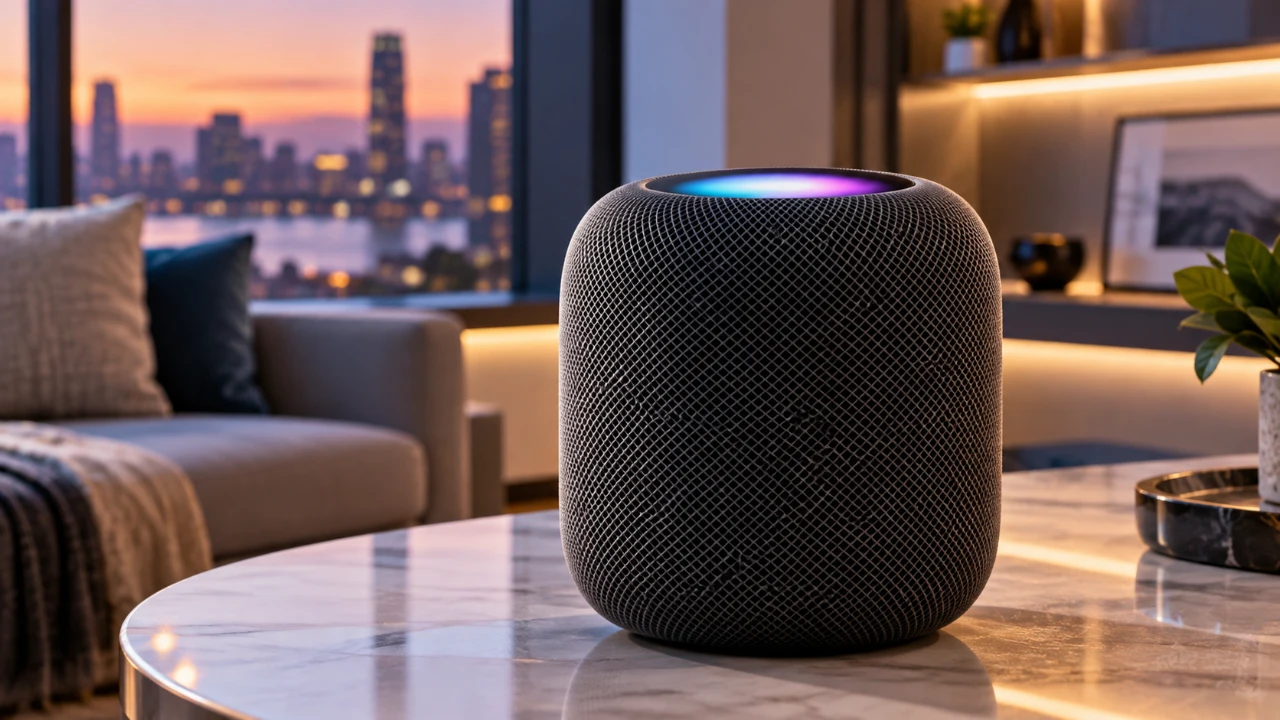
Apple is taking a significant step forward in artificial intelligence with the introduction of Siri AI, a feature designed to transform how you interact with your devices. Debuting alongside iOS 27, Siri AI promises smarter automation, more natural conversations, and a seamless integration across Apple’s ecosystem. However, there’s a critical limitation: current HomePod models, including the HomePod Mini 2, lack the necessary hardware to fully support Siri AI. This raises an important question: will you need to invest in new hardware to unlock the full potential of Siri AI? The video below from 9 to 5 Mac gives us more details on Apple’s plans for the HomePod and Siri AI.

What Siri AI Brings to the Table
Siri AI, powered by the advanced capabilities of iOS 27, is designed to enhance your experience across Apple devices. By using your Apple ID, it integrates deeply with your ecosystem, offering smarter and more personalized assistance. Key features include:
- Enhanced conversational abilities that make interactions feel more natural and intuitive.
- Advanced automation to handle complex tasks with minimal input.
- Predictive capabilities that anticipate your needs based on your habits and preferences.
These features represent a significant leap in AI-driven personal assistance. However, while iPhones and iPads can fully use these advancements, current HomePod models are unable to support the full feature set. This limitation leaves users questioning the longevity and relevance of their existing devices.
Why Current HomePods Fall Short
Despite the release of the HomePod 27 update, which includes some Siri AI-related enhancements, the full potential of Siri AI remains inaccessible on current HomePod models. The primary reason lies in hardware limitations. Devices like the HomePod Mini 2 lack the processing power and advanced components required to run Siri AI effectively. Apple’s decision to prioritize performance ensures that Siri AI delivers a high-quality user experience, but it also creates a gap for users who have already invested in multiple HomePods. This hardware constraint underscores the need for new devices to fully realize Siri AI’s capabilities.
What’s Next? New Hardware on the Horizon
To bridge the gap, Apple is expected to release new HomePod models equipped with the necessary hardware to support Siri AI. Industry speculation points to the possibility of a hybrid device that combines the functionality of an iPad with a HomePod, offering a more versatile smart home solution. Potential features of these new models could include:
- A touchscreen interface for enhanced control and interactivity.
- Improved audio technology for superior sound quality.
- Full support for Siri AI, unlocking its advanced features.
These updates could redefine the HomePod experience, making it a central hub for smart home management and entertainment. However, the introduction of new hardware also raises questions about the future compatibility of older models within Apple’s ecosystem.
What This Means for Existing Users
For users who already own multiple HomePods, the prospect of upgrading to new models presents several considerations:
- Will older HomePods integrate seamlessly with newer models in a mesh network?
- What will the cost of replacing current hardware be, and is it justifiable?
- Are Siri AI’s advanced features compelling enough to warrant an upgrade?
These questions highlight the challenges of maintaining a cohesive smart home ecosystem while adopting new technology. For many users, current HomePods already excel as high-quality speakers and smart home controllers. As a result, the decision to upgrade may depend on how much value you place on innovative features versus the functionality you already enjoy.
Improvements in HomePod 27.2
Even without full Siri AI support, the HomePod 27.2 update introduces several enhancements that add value to existing devices:
- Support for 4.1 channel surround sound, allowing immersive audio setups with multiple HomePods.
- Improved stereo capabilities for Apple TV, enhancing your entertainment experience.
These updates demonstrate Apple’s commitment to improving the functionality of current HomePods. However, it’s worth noting that these features may perform even better on newer hardware, potentially nudging users toward an upgrade.
Release Timeline and Key Considerations
Apple is anticipated to launch new HomePod models alongside the public release of iOS 27.2, expected between October and November 2026. As you evaluate your options, consider the following factors:
- How important are Siri AI’s advanced features to your daily routines?
- Are your current HomePods meeting your needs as speakers and smart home hubs?
- Does the cost of upgrading align with the value you place on staying at the forefront of technology?
While the promise of Siri AI is undoubtedly exciting, existing HomePods remain highly capable in their current roles. The decision to upgrade ultimately depends on your priorities and how much you value the latest advancements in smart home technology.
Uncover more insights about Siri AI in previous articles we have written.
- Just Got Siri AI? the Most Useful Things You Can Ask It Today
- iOS 27: Apple’s Massive Siri AI Upgrade Finally Delivers
- Everything Siri AI Can Do in iOS 27 (and How to Get It Working Right Now)
- Siri AI Offers Advanced Capabilities Beyond Basic Usage
- Apple’s New Advanced Siri AI: Is Your iPhone on the Compatible List?
Source: 9to5Mac
Disclosure: Some of our articles include affiliate links. If you buy something through one of these links, Geeky Gadgets may earn an affiliate commission. Learn about our Disclosure Policy.
