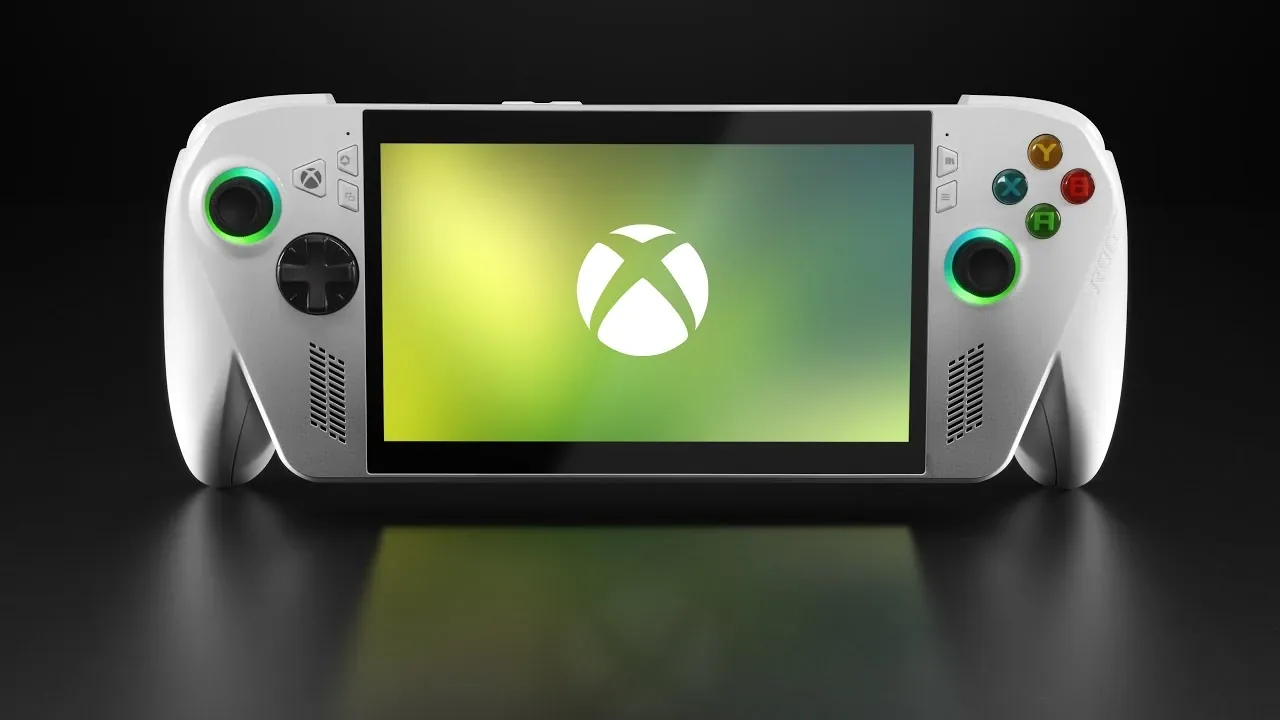
What happens when a product’s name sets expectations it can’t quite meet? That’s the question hanging over the ROG Xbox Ally, a device that boldly carries the “Xbox” branding into the handheld gaming space. Promising the best of both worlds, console simplicity and PC-level power, it’s a gadget that seems poised to transform portable gaming. But as you peel back the layers, a tension emerges: the sleek Xbox branding suggests plug-and-play ease, while the underlying Windows 11 system introduces a complexity that feels at odds with the console experience. Is the ROG Xbox Ally a new hybrid or a device caught between two worlds? Let’s unpack the promise, and the pitfalls, of this ambitious handheld.
In this rundown, Dave2D explore the highs and lows of the ROG Xbox Ally series, from its powerful hardware and vibrant display to the challenges posed by its reliance on Windows. You’ll discover how the two models, Xbox Ally and Xbox Ally X, stack up in terms of performance, design, and usability, and why their premium pricing might make some gamers hesitate. We’ll also examine whether the “Xbox” name helps or hinders these devices in a market already dominated by competitors like the Steam Deck. By the end, you might find yourself questioning whether the Xbox Ally is a bold step forward or a misstep for the handheld gaming world.
ROG Xbox Ally Overview
TL;DR Key Takeaways :
- The ROG Xbox Ally and Xbox Ally X are the first Xbox-branded handheld gaming devices, featuring powerful hardware and seamless integration with major gaming platforms, but their reliance on Windows 11 complicates the user experience.
- Two models are available: the Xbox Ally with a Zen 2-based chip for 720p gaming and the Xbox Ally X with a Zen 5-based chip for 1080p gaming, offering improved performance but at a higher price point.
- The devices feature a custom Xbox-inspired interface that integrates well with Steam, GOG, and Epic Games libraries, but the underlying Windows 11 system introduces complexities and detracts from the console-like simplicity.
- Battery life and internals differ between models, with the Xbox Ally X offering a larger battery, USB4 connectivity for external GPUs, and better thermal management, making it more suitable for high-performance gaming.
- Premium pricing ($600 for Xbox Ally, $1,000 for Xbox Ally X) and the lack of Microsoft subsidies may deter casual gamers, as the devices fail to fully meet the affordability and simplicity expectations tied to the Xbox brand.
Design and Build
The ROG Xbox Ally series consists of two models: the Xbox Ally, powered by a Zen 2-based Z2A chip, and the Xbox Ally X, featuring the more advanced Zen 5-based Z2 Extreme chip. Both devices are designed with comfort and durability in mind, offering improved ergonomics that cater to extended gaming sessions. While slightly heavier than competitors like the Steam Deck, the weight remains manageable, making sure that portability is not compromised.
The display delivers sharp visuals and vibrant colors, though it falls short of expectations due to the absence of OLED technology. The thick bezels surrounding the screen detract from the overall modern aesthetic, leaving some users wishing for a sleeker, more contemporary design. Despite these shortcomings, the devices strike a balance between functionality and durability, making them suitable for gamers who prioritize performance over innovative visuals.
Performance
Performance is a key differentiator between the two models, catering to a range of gaming needs. The Xbox Ally, equipped with its Zen 2 architecture, performs well for 720p gaming, offering a comparable experience to the Steam Deck. Meanwhile, the Xbox Ally X, powered by the more advanced Zen 5 architecture, excels in 1080p gaming, delivering higher performance and better efficiency at lower power consumption.
Both devices operate quietly, with minimal fan noise even during demanding gameplay. However, the Xbox Ally X tends to run hotter under heavy loads, which may be a concern for users who prioritize thermal efficiency. A notable drawback is the reliance on Windows Sleep and Hibernate modes, which lack the seamless quick-resume functionality found in traditional consoles. This limitation may frustrate users accustomed to the simplicity of console gaming.
Why Gamers Are Divided Over the ROG Xbox Ally

Dive deeper into handheld consoles with other articles and guides we have written below.
- AOKZOE A1 Ryzen 7 6800U PC handheld console
- AOKZOE A1X Handheld Console: Specs & Performance Review
- RetroStone Handheld Retro Gaming Console
- AMD Ryzen Z2 Extreme: Powering the Next Handheld Gaming
- LinkSquare Handheld Spectrometer And SDK Launches From $399
- AMD Ryzen AI Max Plus 395 Overview : Powerful Handheld Gaming
- ONEXSUGAR Sugar One Review: Dual Screens & Transformable
- Retroid Pocket 4 Pro retro handheld games console
- AYANEO Pocket EVO 7 OLED Android handheld games console
- Aya Neo handheld gaming PC prototypes teased
Software and User Interface
The custom Xbox Full Screen Experience (FSE) UI is designed to mimic the Xbox console interface, creating a familiar environment for gamers. This interface integrates well with the Xbox ecosystem, offering a streamlined way to access games and settings. However, the underlying Windows 11 operating system introduces complexities that may detract from the user experience. Frequent updates, a lock screen, and pre-installed apps can make the system feel less intuitive, particularly for users expecting a console-like experience.
On the positive side, the integration of Steam, GOG, and Epic Games libraries into the Xbox UI is a standout feature. This allows users to access their game collections with ease, enhancing the overall usability of the devices. Controller integration and app-switching are responsive, making sure that the devices remain functional and user-friendly despite the challenges posed by the Windows ecosystem.
Battery and Internals
Battery life is a critical factor for any handheld gaming device, and the ROG Xbox Ally series offers notable differences between the two models. The Xbox Ally features a 60Wh battery, while the Xbox Ally X includes a larger 80Wh battery, providing extended playtime for gamers on the go. Both models come equipped with full-size NVMe storage, allowing faster load times and smoother gameplay.
The Xbox Ally X further distinguishes itself with USB4 connectivity, which allows for compatibility with external GPUs. This feature significantly enhances the graphical capabilities of the device, making it an attractive option for gamers seeking high-performance gaming in a portable format. Additionally, the efficient heat pipe designs in both models help manage temperatures during gameplay, making sure that performance remains consistent even under heavy loads.
Pricing and Market Position
The pricing of the ROG Xbox Ally series positions these devices as premium options within the handheld gaming market. The Xbox Ally is priced at $600, while the Xbox Ally X comes in at $1,000. These prices align with other Windows-based handheld gaming devices but exceed the affordability expectations often associated with Xbox-branded products. The absence of Microsoft subsidies contributes to the higher cost, which may deter casual gamers seeking a more affordable, console-like experience.
While the Xbox Ally X has generated strong pre-order demand, reflecting its appeal to enthusiasts, the base model may face challenges in attracting a broader audience. Its performance limitations for AAA titles and its relatively high price point could make it less appealing to users who prioritize affordability and simplicity over raw power and versatility.
Challenges and Limitations
The reliance on Windows 11 introduces several challenges that may hinder the overall appeal of the ROG Xbox Ally series. The dual update systems, Windows updates and ASUS Armory Crate software, can be confusing, particularly for users unfamiliar with PC gaming. Occasional glitches and the inherent complexity of the Windows ecosystem may further frustrate casual gamers who are accustomed to the streamlined experience of traditional consoles.
Performance limitations on the Xbox Ally, especially for demanding AAA games, could lead to dissatisfaction among users. Additionally, branding these devices as “Xbox” products raises expectations for simplicity, affordability, and ease of use, expectations that these devices fail to fully meet. This disconnect between branding and functionality may result in returns, particularly for the base model, as users realize that the devices do not align with their expectations of an Xbox-branded product.
Final Thoughts
The ROG Xbox Ally and Xbox Ally X represent an ambitious attempt to bridge the gap between console and PC gaming in a handheld format. With impressive performance, innovative features, and integration with major gaming platforms, these devices cater to experienced gamers who value power and versatility. However, their reliance on Windows 11 and premium pricing create barriers for casual users expecting a seamless, console-like experience at an affordable price. For those comfortable navigating the complexities of a Windows-based system, the ROG Xbox Ally series offers a compelling option. For others, the devices may fall short of the expectations tied to the “Xbox” brand, leaving room for improvement in future iterations.
Media Credit: Dave2D
Disclosure: Some of our articles include affiliate links. If you buy something through one of these links, Geeky Gadgets may earn an affiliate commission. Learn about our Disclosure Policy.
