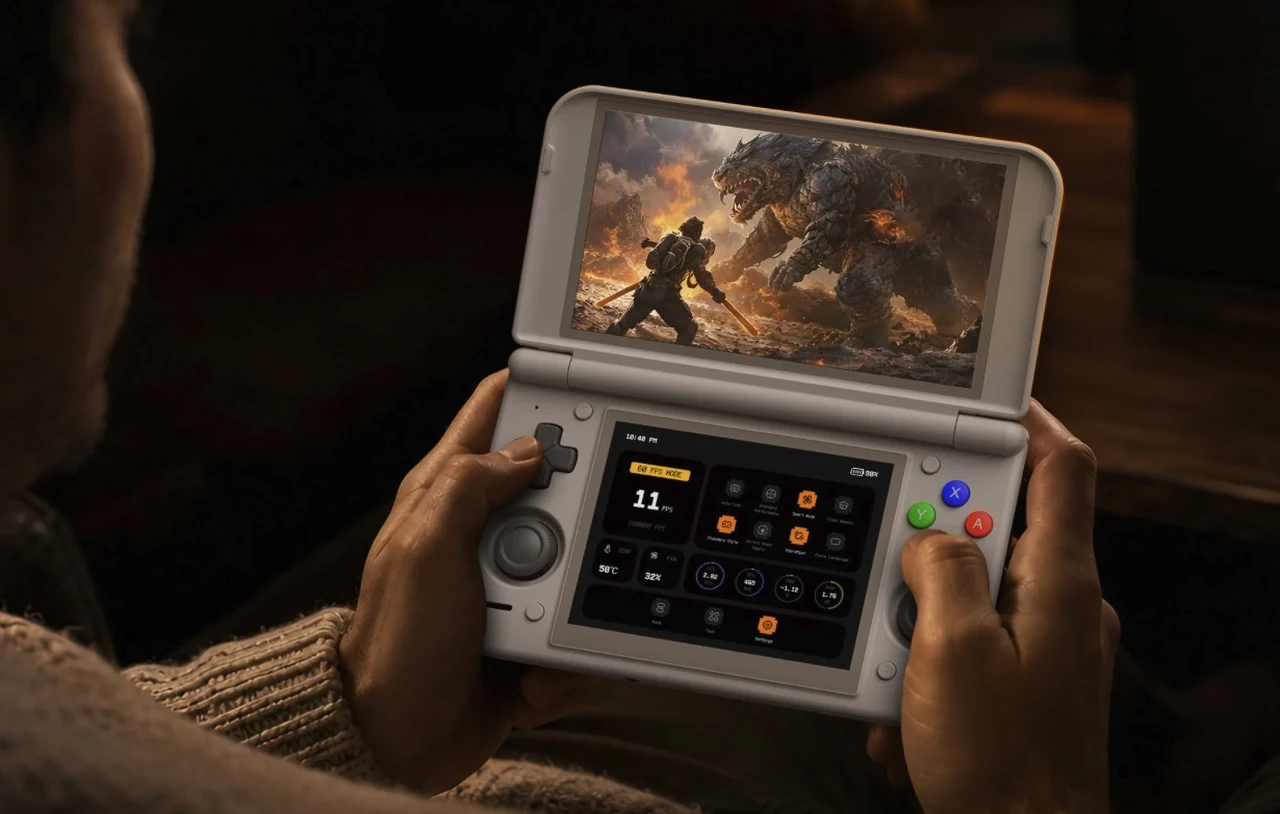
The Retroid Pocket Duo Lite offers a dual-screen handheld gaming experience aimed at retro enthusiasts, but its performance and value may not meet all expectations. According to Retro Game Corps, the device features a compact, ergonomic design with a responsive D-pad and buttons, paired with a 16:9 top screen and a 4:3 bottom screen to accommodate classic aspect ratios. Despite these thoughtful design elements, its $150 price point feels steep when considering its struggles with more demanding emulation tasks, such as GameCube and Sega Saturn games, as well as occasional input lag during gameplay.
Dive into this review to evaluate the Duo Lite’s performance with PSP emulation, its battery life under typical usage and the quality of its dual screens. Learn how the absence of a stylus affects DS and 3DS gameplay and uncover how its analog sticks and other design choices influence overall usability. This review also compares the Duo Lite to alternative handhelds, helping you assess whether it aligns with your retro gaming needs.
Retroid Pocket Duo Lite
TL;DR Key Takeaways :
- The Retroid Pocket Duo Lite, priced at $150, features a nostalgic dual-screen design with a sturdy build, but struggles with consistent performance, especially in multitasking and emulation.
- Its ergonomic build and dual-screen layout cater to retro gaming enthusiasts, offering a comfortable gaming experience and preserving original aspect ratios for classic games.
- While it excels in PSP emulation and offers a solid 8–10 hours of battery life, it faces significant challenges with demanding emulators, multitasking and input latency, particularly for DS and 3DS games.
- Key drawbacks include analog stick design issues, ghosting on the bottom screen, software bugs and limited 3DS emulation, which detract from its overall usability and appeal.
- Alternatives like the Ambernic RGDS Plus and upcoming models such as the Retroid Pocket Duo Lite Plus offer better performance and value, making them more compelling options for retro gaming fans.
Key Strengths
The Retroid Pocket Duo Lite offers several features that cater to retro gaming fans, making it a compelling option for those seeking a nostalgic gaming experience:
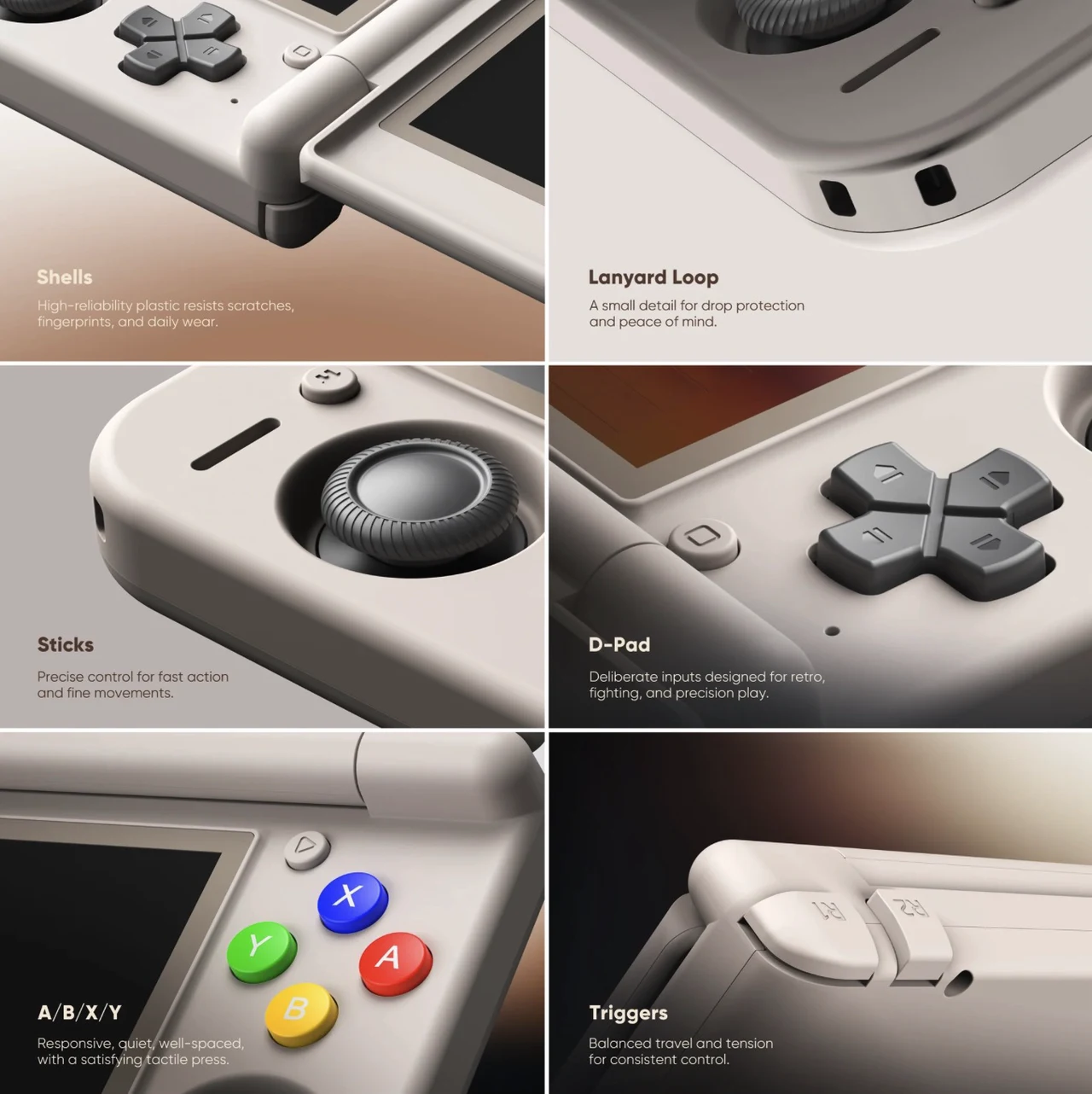
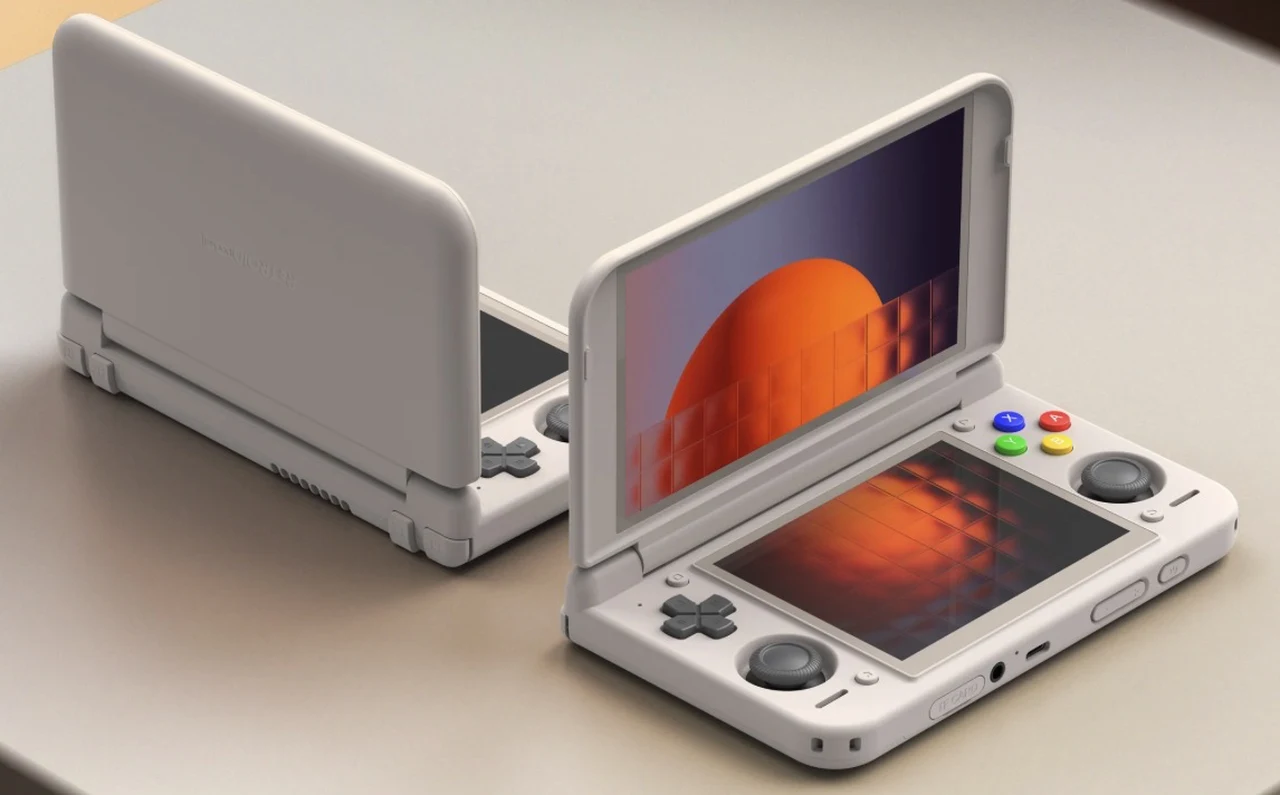
- Ergonomic Build Quality: The device is thoughtfully designed for comfort, featuring rounded edges and a robust construction that supports extended gaming sessions. The tactile D-pad and buttons enhance gameplay precision, while the hinge mechanism allows for smooth 180° rotation without compromising durability. Its transparent retro aesthetic is a deliberate nod to classic handheld consoles, evoking a sense of nostalgia.
- Dual-Screen Layout: The device features a 16:9 (1080p) resolution top screen and a 4:3 (960p) bottom screen. This dual-screen setup is ideal for retro gaming, preserving original aspect ratios without distortion. Additionally, the screens perform well for video playback, adding versatility to the device’s functionality.
- Battery Life: With an average battery life of 8–10 hours, the Duo Lite ensures extended playtime without frequent interruptions for recharging. This longevity is a significant advantage for gamers who prioritize portability and convenience.
- PSP Emulation Performance: The device excels in PSP emulation, running most titles at 3x resolution (720p) with minimal stuttering or graphical glitches. This capability makes it a strong contender for fans of the PSP library.
Notable Weaknesses
Despite its strengths, the Retroid Pocket Duo Lite has several shortcomings that impact its overall usability and appeal:
- Performance Limitations: The device struggles with demanding emulators, such as MelonDS for DS games and ARM SX2 for PS2 titles. GameCube and Sega Saturn emulation are inconsistent, with frequent stutters disrupting gameplay, making it less reliable for fans of these platforms.
- Multitasking Challenges: Running games alongside videos often results in noticeable performance drops. The bottom screen, in particular, struggles to maintain smooth frame rates during multitasking scenarios, limiting its utility for users who value multitasking capabilities.
- Input Latency: Input lag is a significant issue, especially for DS and 3DS games. Touch-heavy titles and platformers suffer from delays, which can detract from the overall gaming experience. The touchscreen input delay is particularly pronounced compared to original DS/3DS consoles.
- Analog Stick Design: The analog sticks are wide and inset, with a limited pivot range. Their slick texture makes precise control challenging, particularly in fast-paced or competitive games where accuracy is crucial.
- Screen Quality Concerns: While the top screen performs adequately, the bottom screen suffers from ghosting, especially in fast-moving games. Additionally, its warm color calibration may not appeal to users seeking accurate retro visuals, further diminishing its appeal.

Gain further expertise in handhelds by checking out these recommendations.
- Valve Confirms Steam Deck 2 with Unreal Engine 5 Support
- Sony’s PlayStation 6 Details Leaks: First Look at the Next-Gen Console
- RG56 Pro Max First Look & Performance Guide: What Runs Well & What Struggles
- ASUS Releases Ally X Driver 26.6.1 for Forza Horizon 6
- Pricing for Acer Predator Atlas 8 Starts at £999 in the UK
- Intel Panther Lake Handheld PCs Expected at $599 To $799
- Ambernick Win600 Delivers X86 Handheld Gaming for Just $99
- MSI Claw 8EX Ai+ Costs $1800 but Hits 70 FPS in Cyberpunk 2077
- Install Armada OS on Android Handhelds to Create a Steam Deck in Under 5 Minutes
- Xbox Project Helix Confirmed for a November 2027 Launch
Additional Concerns
Beyond its primary weaknesses, the Retroid Pocket Duo Lite has other issues that may deter potential buyers, particularly those seeking a seamless gaming experience:
- Software Bugs: Users may encounter emulator compatibility issues, graphical artifacts and unpredictable performance inconsistencies. These software-related problems can detract from the overall experience and reliability of the device.
- Limited 3DS Emulation: The device struggles with 3DS games, offering only native resolution gameplay with frequent stutters and shader compilation issues. Stretching 3DS content to the 16:9 aspect ratio of the top screen introduces visual distortion, further limiting its appeal for fans of the 3DS library.
- Absence of a Stylus: Unlike original DS or 3DS consoles, the Duo Lite does not include a stylus. Users must rely on third-party options, which often lack the precision required for touch-based games, reducing the device’s usability for certain titles.
- Subpar Streaming Performance: Game streaming is hindered by the device’s reliance on 5 GHz Wi-Fi and its 60 Hz display panel. These limitations result in suboptimal performance for cloud gaming or remote play, making it less suitable for users who prioritize streaming capabilities.
Alternatives to Consider
For those seeking better performance or value, several alternatives to the Retroid Pocket Duo Lite are worth exploring. These options provide improved functionality and address many of the Duo Lite’s shortcomings:
- Ambernic RGDS Plus: Priced at $100, this device offers superior DS emulation with lower input latency and a built-in stylus. Its integer-scaled 4:3 screens provide a more authentic retro gaming experience, making it a strong contender for fans of DS titles.
- Retroid Pocket Duo (Upcoming): The upcoming high-end model features OLED screens and improved performance, though it comes at a higher price of $270. This option may appeal to users seeking innovative features and enhanced emulation capabilities.
- Retroid Pocket Duo Lite Plus (Upcoming): Expected to launch at $220, this enhanced version of the Duo Lite will include an upgraded chipset for better emulation and multitasking capabilities. It promises to address many of the performance issues present in the current model.
Final Verdict
The Retroid Pocket Duo Lite offers a nostalgic design and dual-screen layout that will resonate with retro gaming enthusiasts. However, its performance issues, multitasking limitations and input latency make it difficult to recommend at its current price point. For users seeking a reliable handheld for DS emulation or multitasking, alternatives like the Ambernic RGDS Plus or upcoming models such as the Duo Lite Plus provide better value and performance. While the Duo Lite has potential, its shortcomings ultimately overshadow its strengths, leaving room for improvement in future iterations.
Media Credit: Retro Game Corps
Disclosure: Some of our articles include affiliate links. If you buy something through one of these links, Geeky Gadgets may earn an affiliate commission. Learn about our Disclosure Policy.
