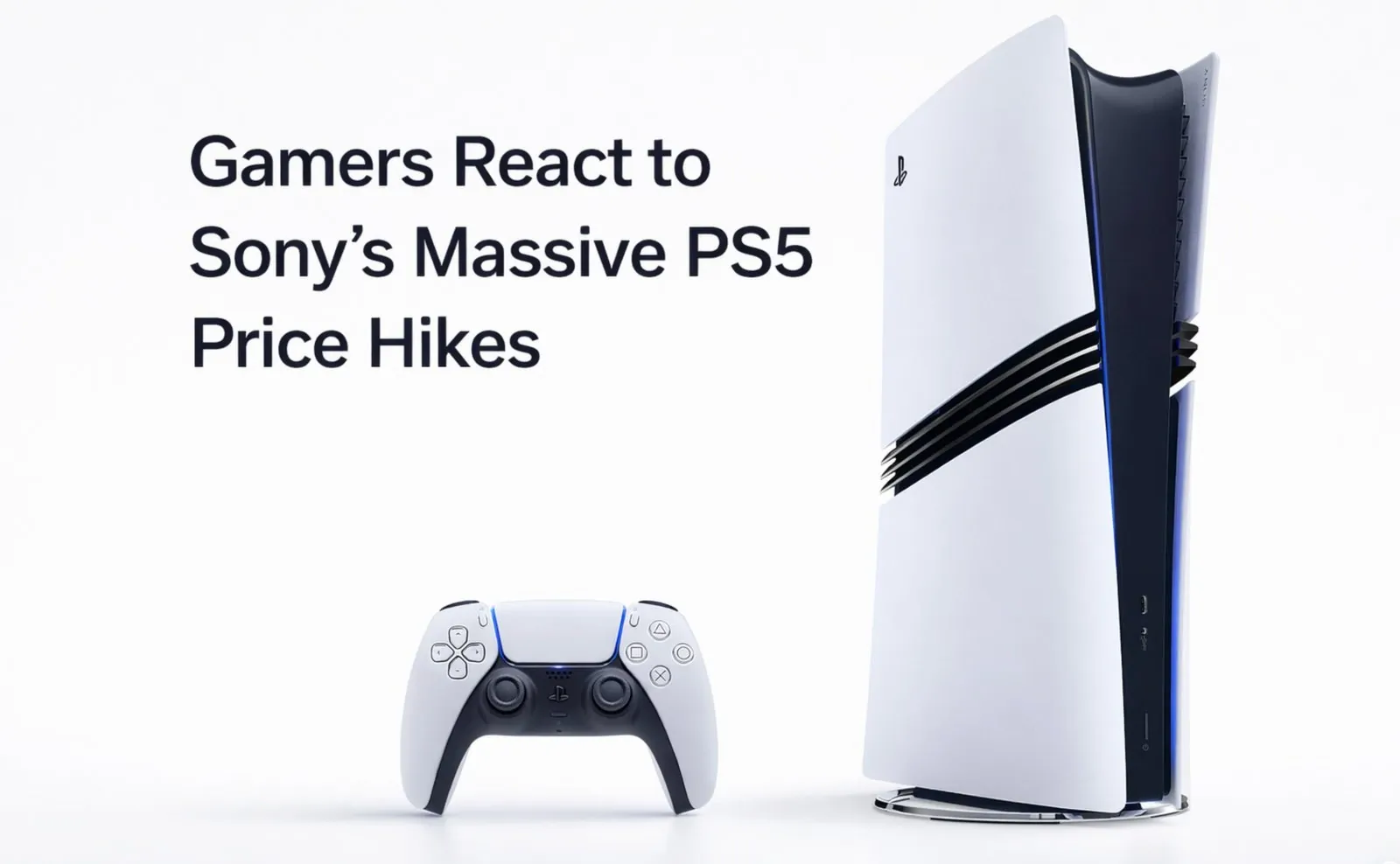
Sony’s recent announcement of a significant price increase for its PlayStation 5 lineup has sparked widespread discussion across the gaming community. Starting April 2, 2026, the cost of the PS5 Digital Edition will rise to $600, while the PS5 Pro will jump to $900, making it one of the priciest consoles on the market. Even the PlayStation Portal Remote Player, designed for remote gaming, will see its price increase to $250. As RGT 85 highlights, these adjustments represent a sharp departure from the original launch prices and have raised concerns about the growing financial barriers to next-generation gaming.
Explore the broader implications of these price hikes and how they may reshape the gaming landscape. This feature provide more insights into consumer reactions, including frustrations over affordability and transparency and examines Sony’s justification rooted in global economic pressures. You’ll also gain insight into the potential long-term effects on market accessibility, competition and the evolving relationship between gaming corporations and their audiences.
New PlayStation Prices Explained
TL;DR Key Takeaways :
- Sony announced significant price increases for the PS5 lineup, effective April 2, 2026, with the PS5 Digital Edition rising to $600, PS5 Pro to $900 and PlayStation Portal Remote Player to $250.
- The price hikes have sparked widespread consumer frustration, with concerns about affordability, exclusion from gaming and a perceived prioritization of profits over accessibility.
- Sony justifies the increases by citing global economic challenges, including inflation and rising production costs, but this explanation has not alleviated consumer dissatisfaction.
- The debate over profit versus accessibility has intensified, with critics arguing that rising costs could alienate core audiences and threaten the inclusivity of gaming.
- Long-term implications may include market fragmentation, decreased consumer loyalty and shifting industry dynamics, raising concerns about the future affordability of next-generation gaming.
Starting next month, purchasing Sony’s flagship gaming hardware will require a significantly larger financial commitment. Below is a detailed breakdown of the updated pricing structure:
- PS5 Digital Edition: The price will rise to $600, a notable increase from its original launch price of $400–$500.
- PS5 Pro: The premium version aimed at gaming enthusiasts will now cost $900, making it one of the most expensive consoles on the market.
- PlayStation Portal Remote Player: Designed for remote gaming, this device will see its price increase to $250.
These price adjustments represent a sharp financial jump, particularly when compared to the initial launch prices. For many consumers, this shift significantly alters the cost of entry into next-generation gaming, raising concerns about the accessibility of Sony’s gaming ecosystem.
Consumer Reactions: Frustration and Criticism
The announcement has sparked a wave of frustration and criticism from the gaming community. Many consumers feel that these price hikes are unjustified, especially in an industry that has historically aimed to balance technological innovation with affordability. Across social media platforms and gaming forums, players are expressing their dissatisfaction, accusing Sony of prioritizing profits over consumer accessibility.
Key concerns raised by consumers include:
- Exclusion from the gaming ecosystem: Many fear that the rising costs will make gaming a luxury, inaccessible to average players.
- Lack of transparency: Gamers are questioning how these price increases will directly benefit them, with little clarity provided by Sony.
- Shifting priorities: There is growing frustration that affordability is being sacrificed in favor of corporate profitability.
The sentiment is clear: rising costs are alienating a significant portion of the gaming audience, potentially reshaping the industry’s relationship with its core consumers.

Here are more guides from our previous articles and guides related to PlayStation that you may find helpful.
- More Details on the Sony PS5 Pro Console
- New Sony PS Vita Teardown
- PlayStation inspired furniture and more
- PlayStation 6 Specs Leak: Everything About the New PS6 Here!
- Sony PS5 Pro vs. PS5: The Ultimate Showdown
- PlayStation Plus games for April 2022 confirmed by Sony
- Sony PlayStation 6 Release Date, Features and Rumors
- PlayStation Plus Games for December 2023
Sony’s Justification: Economic Pressures
Sony has defended its decision by citing global economic challenges, including inflation, rising production costs and supply chain disruptions. The company argues that these price increases are necessary to maintain the level of innovation and quality that consumers expect from its products.
However, this explanation has done little to quell consumer concerns. Many view this move as part of a broader trend within the gaming industry, where companies are increasingly adopting profit-driven strategies. Other major players, including competitors, have also raised prices for consoles, games and subscription services, signaling a shift in priorities that may not align with consumer expectations.
For many, the question remains: are these price hikes truly unavoidable, or are they indicative of a growing disconnect between gaming corporations and their audiences?
Profit vs. Accessibility: A Growing Debate
The latest price increase has reignited a broader debate about corporate priorities in the gaming industry. Critics argue that companies like Sony are focusing more on maximizing shareholder returns than on maintaining consumer satisfaction. This shift raises concerns about the long-term implications for the gaming ecosystem.
For consumers, this could mean:
- Higher overall costs: Beyond hardware, rising prices for games, accessories and subscription services could further strain budgets.
- Reduced transparency: Many are questioning how increased revenues are being reinvested into the gaming ecosystem to benefit players.
- Loss of inclusivity: The industry’s roots in providing accessible entertainment for all may be at risk as gaming becomes increasingly expensive.
This growing tension between profitability and accessibility highlights a critical challenge for the gaming industry: how to sustain growth and innovation without alienating its core audience.
What Does This Mean for the Future?
The affordability of next-generation gaming is becoming an increasingly pressing concern. If current trends persist, future consoles, such as the anticipated PlayStation 6, could come with even steeper price tags, further limiting access for many players.
Potential long-term implications include:
- Market fragmentation: A more divided gaming market could emerge, where only a subset of consumers can afford innovative technology.
- Decreased consumer loyalty: Rising costs may drive gamers to explore more affordable alternatives, including competing platforms or cloud-based gaming services.
- Shifting market dynamics: The impact of these price increases on competition and innovation within the industry remains uncertain.
As the gaming industry evolves, the challenge will be to strike a balance between delivering high-quality experiences and maintaining affordability for a diverse audience. Whether companies like Sony can navigate this balance effectively will shape the future of gaming for years to come.
Media Credit: RGT 85
Disclosure: Some of our articles include affiliate links. If you buy something through one of these links, Geeky Gadgets may earn an affiliate commission. Learn about our Disclosure Policy.
