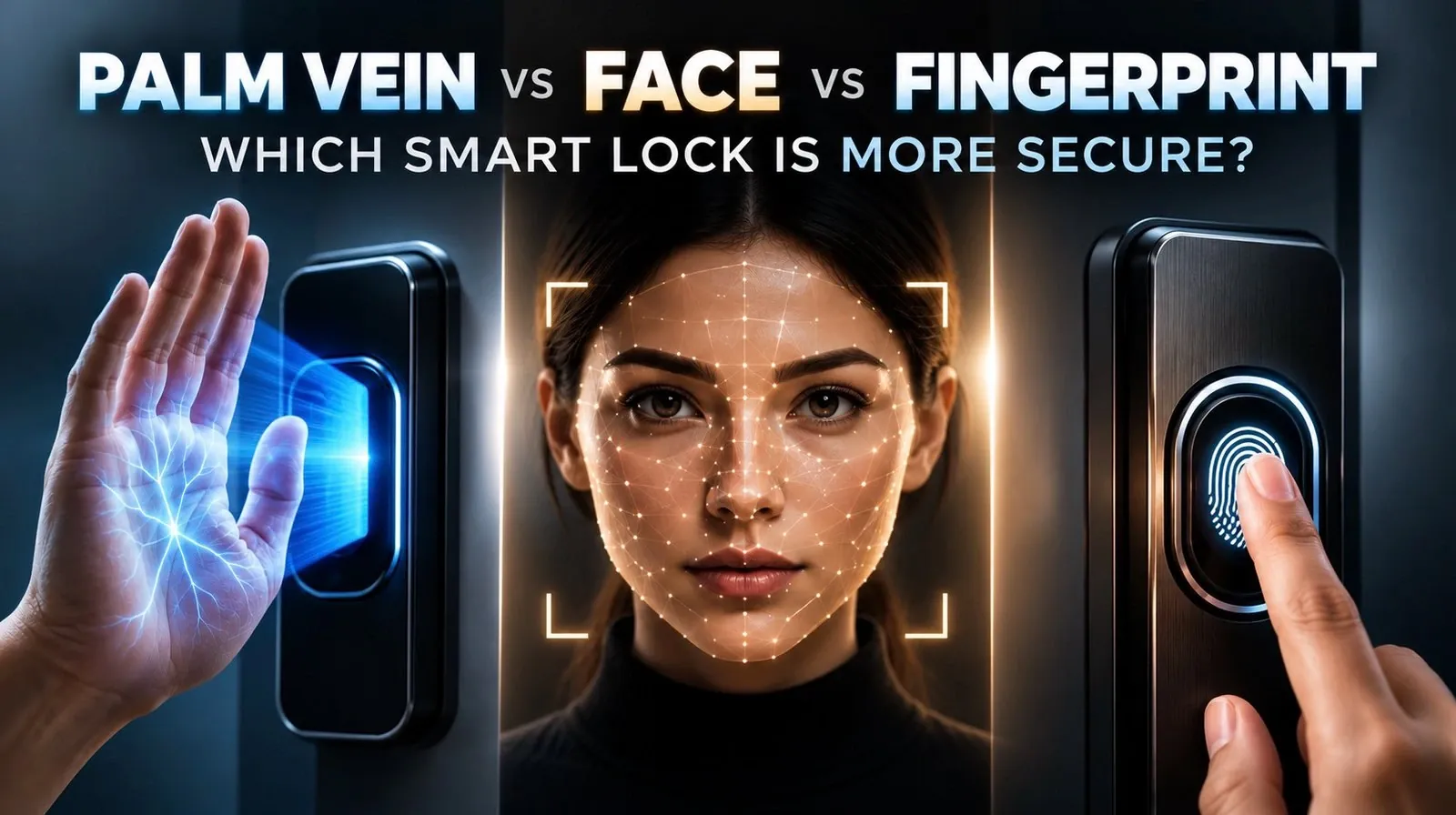
Biometric smart locks are increasingly integrated into home security systems, offering advanced ways to control access. Technologies like palm vein recognition, face recognition, and fingerprint recognition each bring distinct approaches to authentication. For instance, palm vein recognition relies on near-infrared light to detect unique vein patterns beneath the skin, making it highly resistant to forgery. According to Smart Home 101, understanding the differences between these systems is essential for evaluating their security, reliability and practicality.
Dive into the specifics of these biometric options, including false match rates, environmental performance and cost implications. Learn how palm vein locks achieve superior tamper resistance, why face recognition may face challenges in varying lighting conditions and what makes fingerprint locks a fast and budget-friendly choice. This analysis provides the details needed to assess which system best suits your security priorities and daily routines.
Palm Vein vs Face vs Fingerprint
TL;DR Key Takeaways :
- Palm vein recognition is the most secure biometric technology, using near-infrared light to map internal vein patterns, making it resistant to spoofing and external factors like dirt or injuries.
- Face recognition offers hands-free convenience with 3D structured light sensors for enhanced security, though its performance can be affected by lighting conditions and facial changes.
- Fingerprint recognition is the fastest and most affordable option, but it is more prone to errors caused by moisture, dirt, or skin texture changes.
- Security rankings: Palm vein recognition is the most secure, followed by face recognition with advanced sensors and fingerprint recognition as the least secure but still reliable for quick access.
- Choosing the best smart lock depends on your priorities: palm vein for maximum security, face recognition for convenience and fingerprint recognition for speed and affordability.
Palm Vein Recognition: The Gold Standard in Security
Palm vein recognition is often considered the most secure biometric technology available today. It employs near-infrared light to map the unique vein patterns beneath the skin, which are nearly impossible to replicate or spoof. Unlike fingerprints, vein patterns are internal, making them immune to external factors such as dirt, sweat, or minor injuries. This ensures consistent performance in real-world conditions. Examples of smart locks using this technology include:
- UF Family Lock S3 Max: $400
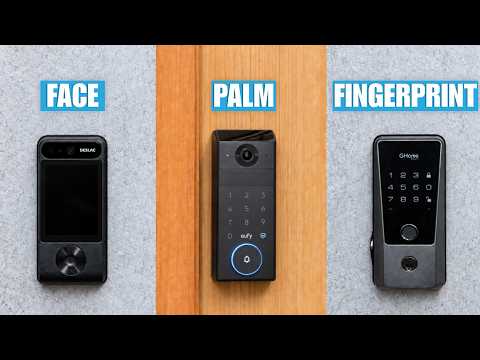
- Deslock K140 Plus: $150
- Tapo DL130: $230
While palm vein locks are generally more expensive, their low false match rates and resistance to tampering make them an excellent choice for users prioritizing security. This technology is particularly beneficial for individuals with worn or damaged fingerprints, such as older adults or those engaged in manual labor. Its reliability and precision make it a standout option for those seeking the highest level of protection.
Face Recognition: Hands-Free Convenience
Face recognition technology has gained popularity for its touchless operation and user-friendly design. By using 3D structured light sensors, these locks create a depth map of the user’s face, making sure they cannot be fooled by flat images or photographs. This makes modern face recognition systems significantly more secure than older 2D camera-based models.
This technology is especially useful for individuals who often carry items or require quick, hands-free access. However, its performance can vary depending on the quality of the sensors and the lock’s ability to adapt to different lighting conditions. Notable examples include:
- SwitchBot Lock Ultra Vision: $210
- Deslock V150 Plus: $260 (includes solar charging for added convenience)
Despite its advantages, face recognition may face challenges in extreme weather conditions or with users who experience significant facial changes, such as wearing glasses, growing facial hair, or aging. Nonetheless, it remains a practical and efficient option for households that value convenience and hands-free operation.
Learn more about biometrics with other articles and guides we have written below.
- Biometric Briefcase
- The Dunhill Biometric Wallet Is Hard To Steal
- X (Twitter) will start collecting user biometrics and more from Sept 29th 2023
- Is the Apple Ring the Ultimate Wearable? Here’s What We Know
- Apple Watch Series 12 Leaks: Could This Be the Year Blood Sugar Tracking Arrives?
- Apple Watch Series 12 Leak: New Chip and Biggest Battery Upgrade
- Unlock Doors via Palm or Fingerprint with 7 Top Smart Locks
- BeamU biometric password storage card
Fingerprint Recognition: Speed and Affordability
Fingerprint recognition is the most widely adopted biometric technology in smart locks, valued for its speed and affordability. By scanning the unique ridges on your fingertips, these locks provide near-instant access, often unlocking in less than a second. This makes them ideal for users who prioritize quick entry.
However, fingerprint recognition is more susceptible to errors caused by moisture, dirt, or changes in skin texture. This can make it less reliable in environments where users frequently have wet or dirty hands. Despite these limitations, fingerprint locks remain a cost-effective and practical choice for many households. Popular models include:
- Deslock K120: $80–$150
- Gome KD10 E2: $80–$150
While fingerprint locks may not offer the same level of security as palm vein or face recognition, they are an excellent option for budget-conscious users or as a secondary method in multi-biometric systems.
Security Comparison
When evaluating biometric smart locks, security is a critical factor. Here’s how the three technologies compare:
- Palm Vein Recognition: The most secure option, offering low false match rates and resistance to external interference.
- Face Recognition: Secure when equipped with advanced 3D sensors, though performance may vary in challenging conditions.
- Fingerprint Recognition: Reliable for quick access but more vulnerable to spoofing and environmental factors.
Palm vein recognition stands out as the most secure option, while face and fingerprint recognition provide varying levels of protection depending on the technology and environment.
Speed Comparison
Speed is another essential consideration when choosing a smart lock. Here’s how the technologies rank in terms of unlocking speed:
- Fingerprint Recognition: The fastest, unlocking in under a second.
- Palm Vein Recognition: Slightly slower but still highly efficient.
- Face Recognition: Quick, though performance depends on factors like lighting and detection range.
For users who prioritize speed, fingerprint recognition is the clear winner, while palm vein and face recognition offer a balance between speed and security.
Practical Considerations
Choosing the best biometric smart lock depends on your specific needs and priorities. Each technology offers unique advantages:
- Palm Vein Recognition: Ideal for those requiring the highest level of security or individuals with difficulty using fingerprint systems.
- Face Recognition: Perfect for hands-free access, making it a great choice for busy households or users frequently carrying items.
- Fingerprint Recognition: Affordable and effective for everyday use, especially for budget-conscious users.
When selecting a smart lock, consider additional features that enhance functionality and security, such as:
- Local encrypted storage: Protects your biometric data from unauthorized access.
- Mechanical key backups: Ensures access during power outages or technical failures.
- Tamper alerts: Notifies you of unauthorized access attempts.
For users seeking a comprehensive solution, some smart locks combine multiple biometric methods, offering a balance between convenience and protection. By evaluating your priorities, whether they are security, speed, or budget, you can select the smart lock that best meets your needs.
Media Credit: Smart Home 101
Disclosure: Some of our articles include affiliate links. If you buy something through one of these links, Geeky Gadgets may earn an affiliate commission. Learn about our Disclosure Policy.
