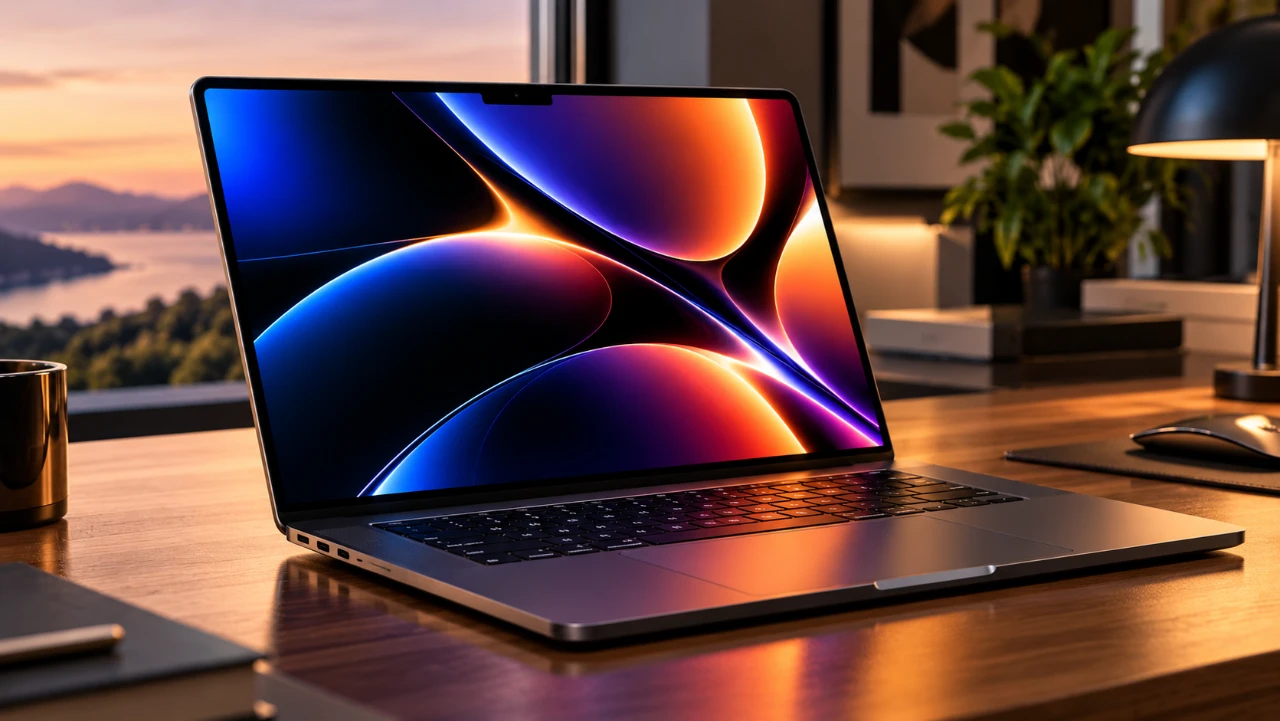
Apple is preparing to launch a significant update to its MacBook Pro lineup this October, introducing a model equipped with an OLED display. This highly anticipated release is expected to combine advanced display technology, enhanced performance, and innovative features, setting a new standard for portable computing. With its focus on both functionality and design, the OLED MacBook Pro could redefine user expectations for premium laptops. Here’s an in-depth look at what this launch entails and its potential impact on the tech industry in a new video from Max Tech, which gives us more details about the rumored OLED MacBook Pro.

Innovative Display and Refined Design
The OLED MacBook Pro will feature a sleeker, lighter design aimed at improving portability while maintaining Apple’s hallmark durability. One of the most notable design changes is the introduction of the Dynamic Island, replacing the traditional notch. Borrowed from recent iPhone models, this feature is expected to provide a more interactive and seamless user experience, blending functionality with aesthetics.
At the heart of this redesign is the OLED display, which brings several key advantages over the current Mini-LED technology:
- Enhanced Visuals: The OLED screen offers brighter visuals, deeper contrast and more vibrant colors, delivering a superior viewing experience for everything from video editing to casual streaming.
- Energy Efficiency: The display is designed to consume less power, contributing to longer battery life despite its advanced capabilities.
- Durability Improvements: Apple has reportedly addressed concerns about OLED burn-in by using stacked panels, making sure the display remains reliable over time.
Additionally, the OLED MacBook Pro will support a 120 Hz ProMotion refresh rate, allowing smoother animations and faster response times. This feature is particularly beneficial for professionals working in video production, graphic design, or gaming, where precision and fluidity are essential.
Advanced Features for Enhanced Usability
Apple is introducing several new features that aim to elevate the user experience and expand the MacBook Pro’s versatility:
- Touchscreen Capability: For the first time, the MacBook Pro may include a touchscreen, addressing a long-standing request from users. This addition could also pave the way for Apple Pencil compatibility, making the device an attractive option for digital artists, designers and other creative professionals.
- 5G Connectivity: Built-in cellular capabilities will allow users to stay connected even without Wi-Fi, offering greater flexibility for remote work, travel and on-the-go productivity.
- Faster Charging Technology: The OLED model is expected to feature improved charging speeds, making sure that the device can quickly regain power despite the higher energy demands of its advanced components.
These features collectively aim to make the OLED MacBook Pro a more versatile and user-friendly device, appealing to a wide range of professionals and casual users alike.
Performance Boost with Next-Generation Chips
The OLED MacBook Pro will debut Apple’s M5 Pro and M5 Max chips, which promise significant performance enhancements over their predecessors. These next-generation processors are optimized for demanding tasks such as machine learning, real-time data analysis and AI-driven applications.
While there is speculation about an M5 Ultra chip, challenges related to power consumption and thermal management may delay its introduction. Looking further ahead, Apple is reportedly developing M7 Pro and M7 Max chips, which could bring even greater advancements in AI-focused performance and energy efficiency.
These new processors are expected to solidify Apple’s position as a leader in high-performance computing, catering to professionals in fields like software development, video editing and scientific research.
Pricing, Availability and Potential Rebranding
The OLED MacBook Pro is anticipated to come with a higher price tag compared to its Mini-LED counterparts, reflecting the premium nature of its features. However, Apple plans to continue offering Mini-LED models alongside OLED versions until at least 2028, making sure that users with varying budgets and preferences have options to choose from.
To distinguish the OLED models, Apple may consider introducing new branding. Speculated names include “MacBook Ultra” or “MacBook Studio”, though the company might retain the “MacBook Pro” name to use its established reputation and brand recognition.
Shaping the Future of MacBook Pro
The OLED MacBook Pro represents a pivotal step forward for Apple’s laptop lineup, signaling the beginning of a new era in portable computing. Beyond this release, Apple is expected to continue innovating with potential updates on an annual or biannual basis. Future developments could include:
- Foldable designs that enhance portability and versatility.
- Hybrid functionality, combining the best features of laptops and tablets.
- Further advancements in AI-driven performance and energy efficiency.
These possibilities highlight Apple’s commitment to staying at the forefront of technology, making sure that its products remain relevant and competitive in an ever-evolving market.
The OLED MacBook Pro is more than just a hardware upgrade, it’s a statement of Apple’s vision for the future of computing. Whether you’re a professional seeking innovative tools or a creative looking for enhanced functionality, this release is poised to redefine what a premium laptop can offer. Stay tuned for Apple’s October event to see how this launch will shape the next chapter in portable computing.
Unlock more potential in OLED MacBook Pro by reading previous articles we have written.
- Leaked OLED MacBook Pro Marks Apple’s Biggest Mac Shift in Years
- Apple May Overhaul the MacBook Pro with an Unexpected Twist
- What You Need to Know Before Waiting for the OLED MacBook Pro
- The Touchscreen MacBook Ultra Is Real And Arriving Sooner Than Expected
- MacBook Ultra, Neo and M6: Is Apple Overcomplicating the Mac?
Source & Image Credit: Max Tech
Disclosure: Some of our articles include affiliate links. If you buy something through one of these links, Geeky Gadgets may earn an affiliate commission. Learn about our Disclosure Policy.
