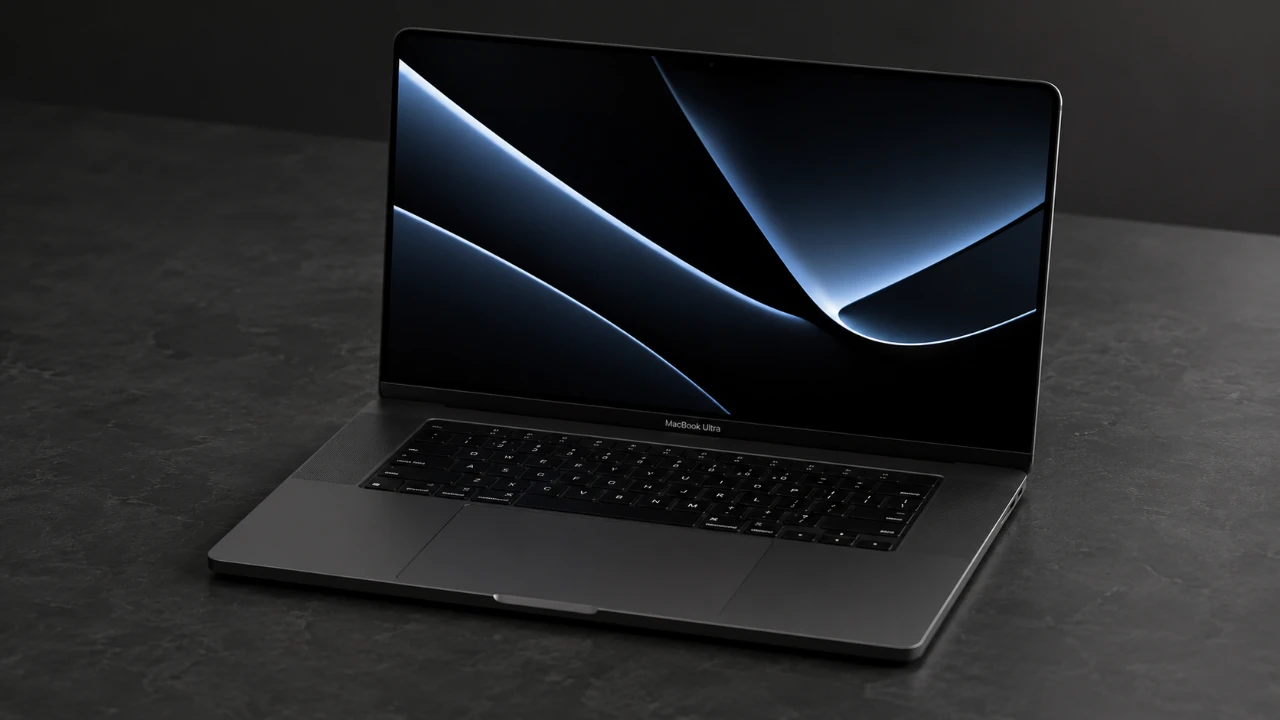
Apple is preparing to introduce a significant redesign of its MacBook Pro lineup, marking a pivotal moment in the evolution of its laptops. This update brings a host of new features, including an OLED display, touchscreen functionality, Dynamic Island, and a thinner, sleeker design. However, the decision to retain the current M5 Pro and M5 Max chips raises questions about the device’s overall value and its place within Apple’s broader product ecosystem. The video below from MacRumors gives us more details.

OLED Display: Enhanced Visuals with Considerations
For the first time, Apple’s MacBook Pro will feature an OLED display, replacing the mini-LED technology used in current models. This transition promises several advantages that could redefine the user experience:
- Improved contrast ratios and deeper blacks, delivering a more immersive and vibrant viewing experience.
- Enhanced color accuracy, making it an ideal choice for professionals in creative industries such as photography, video editing and graphic design.
- A thinner and lighter design, aligning with Apple’s commitment to portability and sleek aesthetics.
- Potentially better battery efficiency, as OLED panels illuminate individual pixels only when needed, reducing power consumption.
Despite these benefits, OLED technology comes with its own set of challenges. Tandem OLED, while innovative, may struggle to achieve the brightness levels of mini-LED displays, which could impact usability in bright environments. Additionally, the higher production costs of OLED panels are likely to result in increased retail prices, potentially making the new MacBook Pro less accessible to a broader audience.
Touchscreen Integration: A New Direction
Apple’s decision to integrate touchscreen functionality into the MacBook Pro represents a notable shift in its design philosophy. Historically, Apple has maintained that macOS is not optimized for touch interaction, focusing instead on traditional input methods like the trackpad and keyboard. However, the growing convergence of macOS, iPadOS, and iOS suggests a strategic move toward unifying its ecosystem.
This integration could bring several practical benefits:
- Interface adjustments, such as larger icons and touch-friendly gestures, to improve usability and navigation.
- Greater flexibility for professionals and creatives, offering the functionality of a laptop combined with the versatility of a tablet.
While this feature may appeal to users seeking a seamless cross-device experience, it also raises questions about how macOS will evolve to accommodate touch interactions without compromising its core functionality. Striking the right balance between innovation and usability will be critical to the success of this feature.
Dynamic Island: Expanding Functionality
The introduction of Dynamic Island, first seen on recent iPhone models, is expected to replace the MacBook Pro’s current notch design. This interactive feature could serve as a central hub for various tasks, enhancing both functionality and user experience.
Dynamic Island is anticipated to support:
- Live activities, such as music playback, app notifications, and real-time updates.
- System alerts provide quick access to essential information without interrupting workflows.
However, questions remain about whether Dynamic Island will incorporate Face ID for biometric authentication or continue relying on Touch ID. While Face ID would enhance security and convenience, integrating the necessary hardware into a thinner design could present technical challenges. The decision Apple makes here will likely influence user perceptions of the redesign.
Thinner Design: Balancing Form and Function
The redesigned MacBook Pro is set to feature a thinner profile, made possible by advancements in OLED technology and the efficiency of Apple’s M-series chips. This design aligns with Apple’s minimalist aesthetic, emphasizing portability and elegance. However, achieving this sleek form factor raises concerns about functionality and durability.
Apple has faced criticism in the past for prioritizing design over practicality, as seen with the butterfly keyboard and the removal of essential ports. Fortunately, reports suggest that the new MacBook Pro will retain practical features such as HDMI and SD card slots, making sure compatibility with professional workflows. Striking a balance between aesthetics and usability will be key to the success of this redesign.
M5 Pro and M5 Max Chips: Familiar Yet Capable
Despite the hardware redesign, Apple plans to retain the current M5 Pro and M5 Max chips in the new MacBook Pro. These chips remain powerful and efficient, offering excellent performance for most users. However, their inclusion raises questions about the device’s positioning within Apple’s lineup.
Without a next-generation chipset, the redesigned MacBook Pro may face challenges in justifying its premium price point. Some industry analysts speculate that Apple could introduce a new branding strategy, such as marketing the device as a “MacBook Ultra,” targeting users who prioritize design, portability, and functionality over raw performance.
Pricing and Release Timeline
The redesigned MacBook Pro is expected to start at $3,000 or higher, reflecting its premium features, including the OLED display and touchscreen functionality. This pricing strategy positions it as a high-end option within Apple’s product lineup, potentially narrowing the gap between MacBooks and iPads.
An official announcement is anticipated in October 2026, aligning with Apple’s typical fall product launches. The combination of new features and the absence of a next-generation chipset is likely to generate significant interest and debate among consumers and industry experts.
Key Considerations for Consumers
As Apple prepares to launch its redesigned MacBook Pro, several factors will influence its reception:
- Will consumers accept the higher price point, especially without a new chipset to justify the cost?
- How will the integration of macOS, iPadOS and iOS impact usability and product differentiation?
- Can Apple avoid repeating past design missteps while delivering meaningful innovation?
This redesign represents a bold step forward for Apple, blending innovative technology with a refined aesthetic. Its success will depend on how well it balances innovation with practicality, meeting the needs of both professionals and everyday users.
Discover other guides from our vast content that could be of interest on OLED MacBook Pro.
- Leaked: Apple’s M6 OLED MacBook Pro is the Redesign We’ve Been Waiting For
- Apple’s 4 Leaked MacBooks: Is It Game Over for Windows Laptops?
- Why the M5 Mac Studio and OLED MacBook Pro are Delayed
- What Apple’s First Touchscreen MacBook Pro Means for You
- Global RAM crisis pushes Apple’s OLED MacBook Pro launch into 2027
Source & Image Credit: 9to5Mac
Disclosure: Some of our articles include affiliate links. If you buy something through one of these links, Geeky Gadgets may earn an affiliate commission. Learn about our Disclosure Policy.
