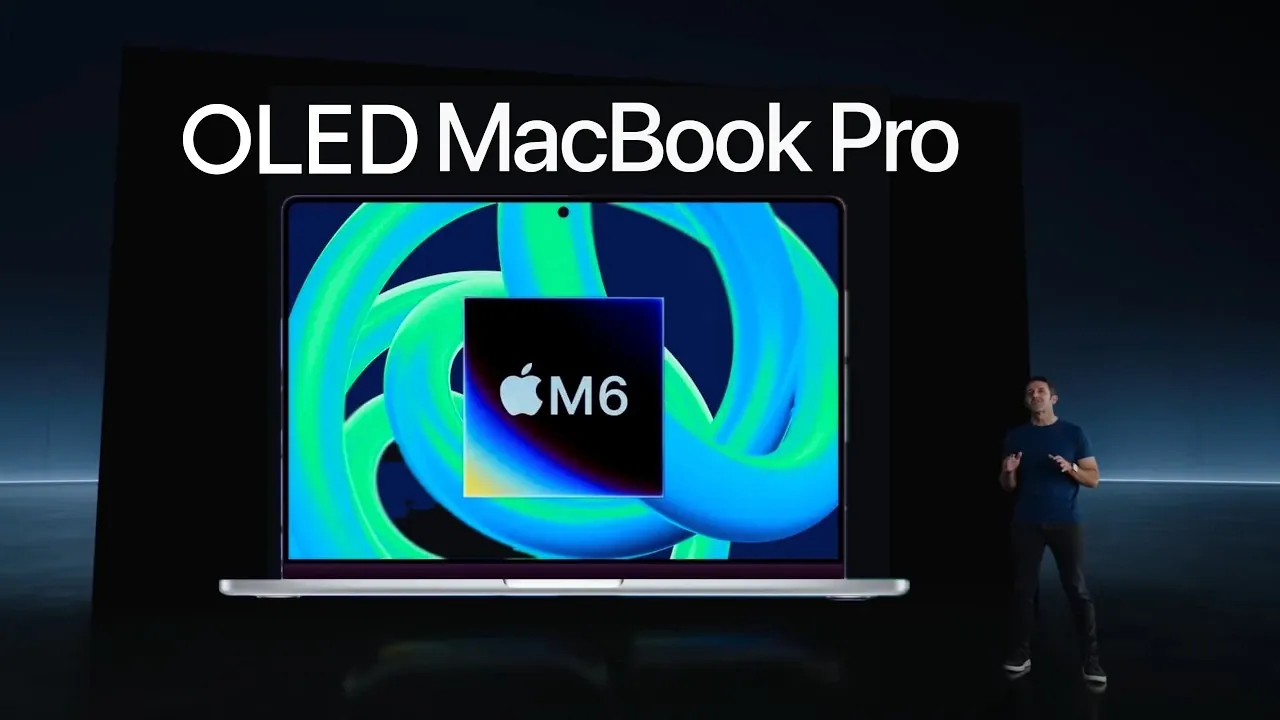
Apple is reportedly preparing to unveil its first touchscreen MacBook Pro, a move that could redefine its laptop lineup and expand its appeal to a broader audience. Expected to launch between late 2026 and 2027, this device will feature innovative OLED display technology, advanced hardware, and a sleeker, thinner design. Historically, Apple has resisted incorporating touchscreens into its MacBook lineup, citing ergonomic concerns and the belief that macOS was not optimized for touch input. However, this shift signals Apple’s response to evolving user preferences and its ambition to integrate touch functionality without compromising the traditional MacBook experience. The video below from SaranByte gives us more details about the rumored OLED MacBook Pro.

Why Apple is Adopting Touchscreens Now
For years, Apple maintained a firm stance against touchscreens on MacBooks, arguing that such functionality was better suited for devices like the iPad. However, the landscape of user expectations has changed. The upcoming touchscreen MacBook Pro is expected to offer optional touch functionality, complementing the keyboard and trackpad rather than replacing them. This hybrid approach aims to bridge the gap between touch-centric devices like iPhones and iPads and the professional workflows associated with MacBooks.
By incorporating touch capabilities, Apple is positioning itself to attract a wider audience, including professionals and Windows users who are accustomed to touchscreen laptops. This strategic move reflects Apple’s recognition of the growing demand for versatile devices that cater to both productivity and creativity.
The Advantages of OLED Displays
One of the standout features of the new MacBook Pro will be its OLED display, which represents a significant leap forward in display technology. Apple is expected to use tandem OLED technology, which offers several key benefits:
- Improved brightness and deeper blacks, delivering superior visual quality for both casual and professional users.
- Enhanced HDR performance, making sure vibrant and accurate color reproduction for tasks like photo editing and video production.
- Greater energy efficiency, contributing to longer battery life and a more sustainable device.
The thinner profile of OLED panels also enables a more compact and portable design, aligning with Apple’s commitment to aesthetics and functionality. This display innovation is likely to appeal to professionals who demand top-tier visual performance and durability.
Redesigned Hardware and Performance Enhancements
The touchscreen MacBook Pro is expected to feature a redesigned chassis, emphasizing a thinner and lighter form factor without compromising durability. At the heart of this device will be Apple’s next-generation M6 Pro and M6 Max chips, which promise significant performance improvements over their predecessors. These chips are designed to handle demanding tasks such as:
- Video editing and rendering high-resolution footage.
- Software development requires complex simulations and multitasking.
- 3D modeling and rendering for creative professionals.
This combination of innovative hardware and sleek design positions the new MacBook Pro as a flagship device, showcasing Apple’s technological leadership in the laptop market.
Potential Challenges and Market Implications
While the touchscreen MacBook Pro represents a bold step forward, its development and launch are not without challenges. Several factors could impact its release timeline and market reception:
- Global memory shortages driven by increased demand from the AI industry may disrupt production schedules, potentially delaying the launch.
- Although OLED manufacturing has matured, Apple must navigate supply chain complexities to ensure consistent quality and availability.
Additionally, the inclusion of premium components like OLED displays and M6 chips suggests a higher price point, which may limit accessibility for casual users. Apple appears to be targeting professionals such as video editors, developers, and photographers who require high-performance devices. While this aligns with Apple’s premium brand image, it could narrow the market to a more niche audience.
Adapting to Evolving User Needs
Apple’s decision to integrate touch functionality into the MacBook Pro reflects a broader shift in its design philosophy. The company has long argued against touchscreen laptops, citing ergonomic drawbacks. However, features like Sidecar, which allow iPads to serve as secondary touch-enabled displays, have hinted at a gradual change in perspective. By embedding touch capabilities directly into the MacBook Pro, Apple is adapting to the evolving needs of users who seek seamless transitions between devices.
This move also underscores Apple’s commitment to innovation while maintaining its core design principles. The touchscreen MacBook Pro is not merely a response to market trends but a calculated effort to enhance the user experience without compromising the device’s professional-grade functionality.
Risks and Considerations for Apple
As Apple ventures into the touchscreen laptop market, it must address several risks to ensure the success of the new MacBook Pro:
- Durability concerns may arise from the thinner design, echoing past challenges such as the butterfly keyboard, which faced criticism for reliability issues.
- macOS will require interface adjustments to provide a seamless touch experience, which could complicate software development and user adoption.
Balancing innovation with reliability will be crucial for Apple to maintain the trust and loyalty of its user base. Any missteps in design or functionality could undermine the device’s appeal and tarnish Apple’s reputation for quality.
Looking Ahead
The introduction of a touchscreen OLED MacBook Pro marks a pivotal moment in Apple’s laptop evolution. By combining advanced display technology, next-generation hardware and a reimagined user experience, Apple is positioning itself to meet the demands of modern professionals while adapting to shifting consumer preferences. However, the company faces significant challenges, from supply chain constraints to interface optimization. If Apple can successfully navigate these hurdles, the touchscreen MacBook Pro has the potential to set a new standard for laptops, blending innovation with practicality and reinforcing Apple’s position as a leader in the tech industry.
Learn more about MacBook Pro with other articles and guides we have written below.
- Leaked: Apple’s M6 OLED MacBook Pro is the Redesign We’ve Been Waiting For
- Apple’s M6 MacBook Pro: The Switch to OLED and the End of the Notch
- M6 MacBook Pro Leaks: Apple’s Biggest Redesign in 5 Years Revealed
- M6 MacBook Pro Leaks: Apple’s Massive Redesign is Delayed—And It’s Not Software This Time
- 2026 Mac Roadmap Revealed: When to Expect the M6 MacBook, Mini, and Studio
- Apple’s 4 Leaked MacBooks: Is It Game Over for Windows Laptops?
Source & Image Credit: SaranByte
Disclosure: Some of our articles include affiliate links. If you buy something through one of these links, Geeky Gadgets may earn an affiliate commission. Learn about our Disclosure Policy.
