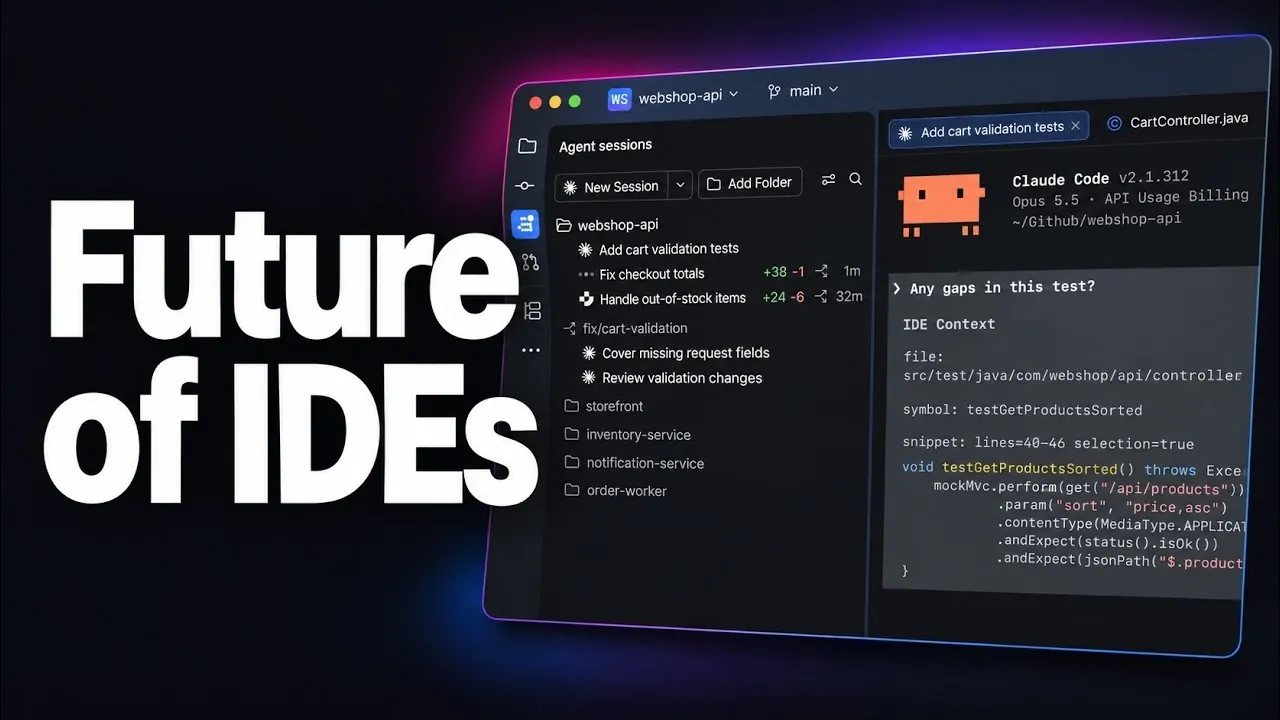
Integrated Development Environments (IDEs) are shifting as artificial intelligence becomes integral to software development workflows. Traditionally centered on manual coding and debugging, IDEs now incorporate features like automated testing and semantic search to address the complexities of AI-assisted programming. According to Sam Witteveen, this evolution highlights new developer responsibilities, such as validating AI-generated code, making sure security compliance and maintaining alignment with project objectives.
Explore how IDEs are integrating context-aware recommendations to enhance productivity and reduce repetitive tasks. Gain insight into the risks associated with AI-driven development, including the challenges of identifying vulnerabilities in machine-generated outputs. Learn how these advancements are shaping the future of software development and the skills developers need to stay effective in this changing environment.
The Changing Role of IDEs in Development
TL;DR Key Takeaways :
- Integrated Development Environments (IDEs) are evolving to focus on reviewing, validating and managing AI-generated code rather than manual coding, reflecting a shift in developer responsibilities.
- Modern IDEs now include advanced features like code inspection, automated testing, AI-generated documentation and enhanced code navigation to streamline AI-assisted workflows.
- Key challenges in AI-assisted development include making sure security, optimizing performance and maintaining consistency in AI-generated code, emphasizing the need for thorough human oversight.
- AI integration in IDEs introduces tools like semantic search, context-aware suggestions and token optimization to improve efficiency and reduce errors in development processes.
- Emerging trends in software development highlight increased AI adoption, collaborative workflows between humans and AI and a growing focus on validation and quality assurance in AI-driven projects.
The primary function of IDEs is transitioning from facilitating manual code creation to allowing the review, validation and management of AI-generated code. While AI coding agents can produce functional code with remarkable speed, your role as a developer is to ensure that this code meets the required standards of quality, security and alignment with project objectives. This shift involves focusing on tasks such as:
- Inspecting code: Identifying errors, inefficiencies and potential vulnerabilities in AI-generated outputs.
- Verifying compliance: Making sure that the code adheres to project requirements, industry standards and best practices.
- Validating performance: Conducting rigorous testing and debugging to confirm functionality and reliability.
Modern IDEs are evolving to provide tools that support these responsibilities. They enable you to review AI-generated changes, identify potential issues and ensure that the code aligns with your project’s goals. This reflects a broader trend in software development, where AI handles implementation tasks while human developers focus on oversight and quality assurance.
Key Features of Modern IDEs
To meet the demands of AI-assisted development, IDEs are incorporating advanced features that prioritize review, validation and collaboration. These functionalities are designed to streamline your workflow and enhance your ability to manage AI-generated code effectively. Key features include:
- Code Inspection: Tools that analyze AI-generated code for errors, inefficiencies and security vulnerabilities, helping you identify and address issues early in the development process.
- Code Navigation: Enhanced capabilities for locating, understanding and assessing code changes, allowing you to work more efficiently with complex codebases.
- Automated Testing: Integrated testing and debugging tools that validate the functionality and performance of AI-generated code.
- AI-Generated Documentation: Features that create initial documentation drafts, which you can refine to ensure clarity and accuracy for future use.
These tools allow you to focus on higher-level tasks, such as optimizing system architecture and making sure compliance with security protocols, rather than spending time on manual coding. By using these features, you can maintain control over the development process while benefiting from the efficiency of AI.

Expand your understanding of AI coding with additional resources from our extensive library of articles.
- The 5 Levels of AI Coding Autonomy Explained from Autocomplete to Dark Factory
- AI Coding : How GitHub’s New Copilot Agent Mode is Helping Developers
- DeepSeek Lowers AI Coding to $0.14 per Million Tokens
- PI a Minimal Agent Toolkit Offers an Easy Way to Run Local AI Agents
- Apple’s Foldable iPhone Ultra Could Start At $2,099
- Build Multi-Agent Automations in the Antigravity Workspace, Step by Step
- iPhone Duo: Key Details Apple Barely Mentioned on Stage
- Apple Watch Ultra 4 vs Ultra 3: the Biggest Upgrades Explained
- Claude AI Now Embeds Invisible Watermarks Into Generated Text
- Apple Watch Series 12 vs. Ultra 4: Which One Should You Actually Buy?
Challenges and Considerations in AI-Assisted Development
While AI coding agents offer significant advantages, they also introduce unique challenges that require careful consideration. One of the primary concerns is the trustworthiness of AI-generated code. Errors, inefficiencies, or vulnerabilities may not be immediately apparent, making thorough review and validation essential. As a developer, you must ensure that AI-generated code meets your project’s requirements and adheres to best practices. Key challenges include:
- Making sure Security: Verifying that the code is free from vulnerabilities that could compromise your application or system.
- Optimizing Performance: Identifying and addressing inefficiencies to ensure that the code performs as intended under various conditions.
- Maintaining Consistency: Making sure that AI-generated code integrates seamlessly with existing codebases and adheres to established conventions.
Without thorough oversight, the risks associated with deploying AI-generated code, such as security breaches or performance issues, could outweigh its benefits. This underscores the importance of maintaining a balance between using AI for efficiency and making sure human oversight for quality assurance.
AI Integration in IDEs
To address the challenges of AI-assisted development, IDEs are integrating advanced AI tools that enhance their functionality and streamline your workflow. These tools are designed to improve efficiency, reduce errors and provide greater control over the development process. Examples of AI-driven features include:
- Semantic Search: AI-powered search capabilities that help you locate specific code snippets or understand complex dependencies within your project.
- Context Awareness: Tools that provide relevant suggestions and recommendations based on the context of your project, improving accuracy and reducing the likelihood of errors.
- Token Optimization: Features that minimize the computational cost of AI interactions, reducing expenses associated with API calls and improving overall efficiency.
By incorporating these tools, IDEs aim to empower you to manage AI-driven development processes effectively while maintaining control over quality and efficiency. These advancements reflect the growing role of AI in shaping the future of software development.
Emerging Trends in Software Development
The evolution of IDEs is closely tied to broader trends in software development, which are reshaping the way developers work and collaborate. Key trends include:
- Increased AI Adoption: AI is becoming a standard tool for tasks such as code generation, testing and debugging, allowing faster and more efficient development workflows.
- Collaborative Workflows: IDEs are evolving to support seamless collaboration between human developers and AI agents, fostering a more integrated approach to development.
- Focus on Validation: As AI takes on more implementation tasks, the bottleneck in development is shifting to the review and validation of AI-generated code, emphasizing the importance of human oversight.
These trends highlight the growing importance of IDEs as platforms for managing the complexities of AI-assisted development. By adapting to these changes, IDEs are positioning themselves as essential tools for navigating the future of software development.
The Path Forward for Developers and IDEs
As the role of IDEs continues to evolve, they are becoming more than just tools for writing code. They are transforming into comprehensive platforms for managing, reviewing and validating AI-generated outputs. This shift reflects the broader changes in software development, where your role as a developer increasingly involves overseeing AI-driven workflows, making sure quality and maintaining accountability.
By embracing these changes, IDEs will remain at the forefront of innovation, allowing you to navigate the challenges and opportunities of AI-driven development effectively. As a developer, your ability to adapt to this new paradigm will be critical in shaping the future of software development and making sure the success of your projects.
Media Credit: Sam Witteveen
Disclosure: Some of our articles include affiliate links. If you buy something through one of these links, Geeky Gadgets may earn an affiliate commission. Learn about our Disclosure Policy.
