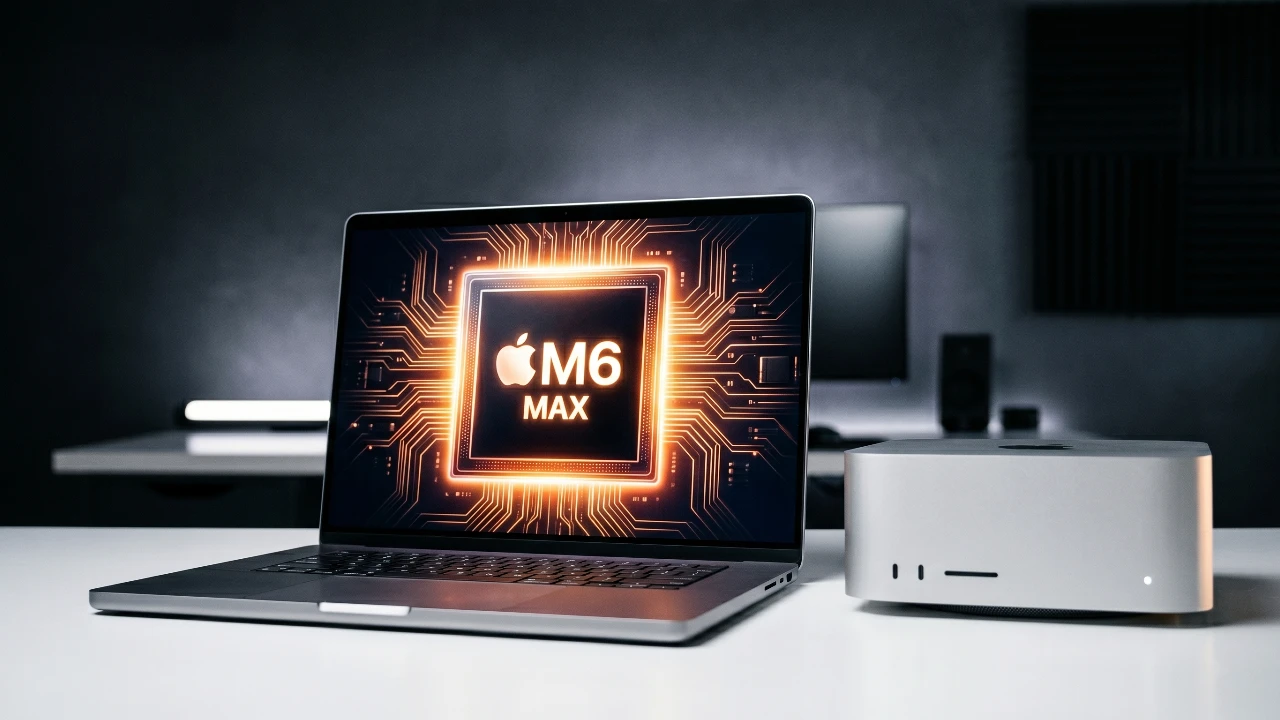
Apple is currently grappling with significant production delays for some of its most anticipated devices, including the Mac Mini, Mac Studio, and OLED MacBook Pro. The primary cause of these setbacks is a global shortage of RAM, a critical component in modern computing. This shortage is largely driven by the surging demand for memory in artificial intelligence (AI) servers and large language models (LLMs). The ripple effects of this crisis are being felt across the tech industry, disrupting production schedules, inflating costs, and challenging manufacturers to adapt to an increasingly constrained supply chain.

What’s Driving the Global RAM Shortage?
The rapid expansion of AI technologies lies at the core of the global RAM shortage. Large language models, which are essential for powering innovative AI systems, require vast amounts of memory to function effectively. AI servers, which serve as the backbone for these models, are consuming RAM at unprecedented rates, leaving less supply available for other industries.
This surge in demand has triggered a cascading series of challenges:
- Custom PC builders are finding it increasingly difficult to source high-capacity memory modules, impacting their ability to meet customer needs.
- Manufacturers across the tech sector are being forced to delay production schedules due to limited RAM availability.
- RAM prices are climbing steadily, placing additional financial pressure on businesses and consumers alike.
The result is a tech industry struggling to balance the competing demands of AI infrastructure and traditional consumer technology, with no immediate resolution in sight.
How Apple’s Product Line Is Being Impacted
Apple, known for its innovative devices and meticulous production timelines, has been significantly affected by the RAM shortage. The scarcity of high-capacity memory configurations has disrupted the production of several key products, delaying their release and altering the company’s roadmap.
- Mac Mini: The highly anticipated M5 Mac Mini, which was expected to feature 24GB and 32GB RAM options, is facing production delays. These setbacks could push the release of future models, such as the M5 Pro, into late 2026 or beyond.
- Mac Studio: Current models equipped with M4 Max and M3 Ultra chips are already constrained by limited RAM supplies. Future iterations of the Mac Studio may experience delays extending into late 2026, further complicating Apple’s product lineup.
- OLED MacBook Pro: Apple’s next-generation OLED MacBook Pro, set to debut with M6 Pro and M6 Max chips, has seen its launch date pushed back to 2027, a full year later than initially planned.
These delays underscore the challenges Apple faces in maintaining its reputation for timely innovation while navigating a global memory crisis.
Broader Implications for the Tech Industry
The RAM shortage is not confined to Apple; it is a widespread issue affecting the entire tech industry. Manufacturers of consumer electronics, enterprise hardware and custom-built PCs are all struggling to secure sufficient memory resources. Smaller companies, in particular, are at a disadvantage, as they lack the purchasing power to compete with larger corporations for limited supplies.
This crisis highlights a growing tension within the tech sector. The demands of AI infrastructure, which require massive amounts of memory, are increasingly at odds with the needs of traditional consumer technology. As AI servers and LLMs dominate the allocation of RAM, other industries are left to contend with prolonged delays, rising costs and constrained innovation.
What Lies Ahead for the RAM Supply Chain?
Industry analysts predict that the global RAM shortage may persist until late 2026 or even 2027. Until then, manufacturers and consumers alike will need to adapt to a landscape defined by limited resources and elevated prices. For companies like Apple, this means navigating a challenging environment where innovation is tempered by supply chain constraints.
In the long term, the tech industry will need to explore and implement solutions to address the imbalance between AI-driven demand and the needs of other sectors. Potential strategies include:
- Developing advancements in memory technology to enhance production efficiency and increase output.
- Improving resource allocation systems to ensure a more equitable distribution of RAM across industries.
- Investing in alternative technologies, such as next-generation memory solutions, to reduce reliance on traditional RAM resources.
These measures will be critical to ensuring the resilience and sustainability of the tech industry as it continues to evolve in response to the growing influence of AI.
The Path Forward
The global RAM shortage has exposed vulnerabilities within the tech industry, particularly as it becomes increasingly reliant on AI-driven infrastructure. For Apple, this crisis has disrupted the production of flagship products like the Mac Mini, Mac Studio, and OLED MacBook Pro, delaying their release by months or even years. The broader tech sector faces similar challenges, with manufacturers and consumers alike feeling the strain of resource scarcity.
As the industry works toward resolving these issues, the need for innovative solutions has become more pressing than ever. Balancing the competing demands of AI and consumer technology will be essential to overcoming this crisis and ensuring the continued growth and innovation of the tech sector in the years to come.
Check out more relevant guides from our extensive collection on the OLED MacBook Pro that you might find useful.
- Everything We Know About the 2026 OLED MacBook Pro
- 2026 MacBook Pro Redesign: OLED Displays & More
- M5 MacBook Pro OLED Details LEAKED! Insider Info You NEED
- OLED MacBook Pro 2026 – Design REVEALED 9 BIG LEAKS
- The 2026 MacBook Pro – The One to Wait For
Source: Matt Talks Tech
Disclosure: Some of our articles include affiliate links. If you buy something through one of these links, Geeky Gadgets may earn an affiliate commission. Learn about our Disclosure Policy.
