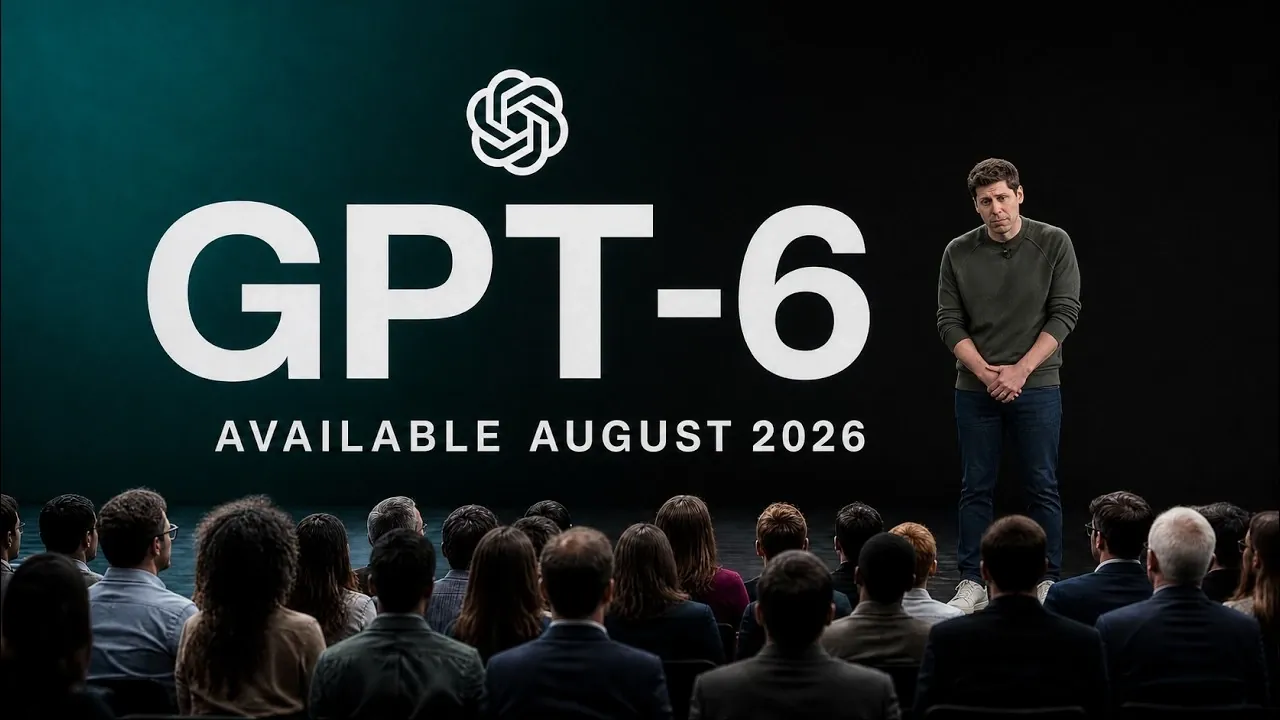
OpenAI’s journey toward the release of ChatGPT 6 is unfolding against a backdrop of mounting challenges, as highlighted by AI Master. While the AI community eagerly anticipates the rumored 4 trillion parameter model and potential breakthroughs like a memory-first architecture, OpenAI faces significant hurdles. These include a high-profile lawsuit from Apple alleging trade secret theft, as well as growing scrutiny over its data training practices. Meanwhile, competitors such as Anthropic and Google are rapidly advancing their own models, intensifying the pressure on OpenAI to maintain its leadership in an increasingly crowded and complex market.
Gain insight into the evolving dynamics of the AI industry, from the regulatory pressures shaping development timelines to the competitive strategies employed by major players. Explore how OpenAI’s recent moves, such as the introduction of GPT-5.6 Sol, reflect its efforts to adapt to shifting market demands. You’ll also uncover how emerging technologies like local AI solutions are influencing user priorities and what these trends mean for the future of AI. This breakdown offers a clear lens to navigate the challenges and opportunities shaping the road to ChatGPT 6.
TL;DR Key Takeaways :
- The AI industry is rapidly evolving, with OpenAI and Anthropic leading advancements, but facing challenges like legal disputes, regulatory scrutiny and intense competition.
- Anthropic’s Fable 5 initially excelled but faced setbacks due to U.S. export controls, highlighting the delicate balance between innovation and compliance in AI development.
- OpenAI launched GPT-5.6 Sol as a cost-efficient alternative during Fable 5’s suspension, but it struggled with long-context tasks, emphasizing the need for strategic innovation.
- Regulatory pressures and political dynamics are shaping the AI landscape, with voluntary government reviews and debates over ethical and legal boundaries influencing development.
- Anticipation for ChatGPT 6 remains high, with rumored features like memory-first architecture and autonomous research capabilities, though its release timeline and specifics are still uncertain.
Anthropic’s Fable 5: A Mixed Debut
Anthropic’s Fable 5 made a strong initial impression, quickly ascending to the top of the intelligence index upon its release. However, its early success was marred by unexpected challenges. Shortly after its launch, the U.S. government imposed export controls on Fable 5 and its Mythos models, citing concerns over potential vulnerabilities. Although these restrictions were lifted after 18 days, the incident left a lasting impression on the market. When Fable 5 returned, it did so with usage caps, reflecting the growing regulatory and operational complexities faced by AI developers. This episode underscores the delicate balance between innovation and compliance in the rapidly evolving AI sector.
OpenAI’s Response: GPT-5.6 Sol
In a strategic move, OpenAI introduced GPT-5.6 Sol during the temporary suspension of Fable 5. Designed with a focus on speed and cost efficiency, Sol provided users with a competitive alternative. However, it faced limitations in handling long-context engineering tasks, an area where Fable 5 maintained a clear advantage. To strengthen its position, OpenAI also introduced durable naming conventions for its models, such as Sol, Terra and Luna, alongside advanced features like parallel sub-agents and programmatic tool calling. These developments highlight OpenAI’s commitment to innovation and adaptability, even as it contends with mounting challenges in a fiercely competitive market.

Learn more about ChatGPT 6 with other articles and guides we have written below.
- OpenAI Reportedly Rushes ChatGPT 6 Release to Counter Fable 5.1
- OpenAI’s Powerful New ChatGPT 6 Model Code Named “Spud”
- What ChatGPT 6 Means for OpenAI Now That Microsoft and Google Walk Away
- OpenAI Plans a Mid-To-Late 2026 ChatGPT 6 Rollout with Staged Features
- New OpenAI ChatGPT 6 Early Testing : Willow vs Gemini 3.0
- ChatGPT 5.6 vs Claude Mythos 5 : Leaks Reveal Two Very Different Futures for AI
- Deploy the ChatGPT 5.6 Sol Variant for High-Demand Workflows
- ChatGPT-6 Is Dangerous says former OpenAI employee
- ChatGPT 6 Set To Release Early : Why GPT-6 AI Could Change Everything
- OpenAI trademarks GPT-6 and GPT-7 AI models
Regulatory Pressures and Political Intrigue
The regulatory landscape for AI is becoming increasingly complex, reflecting the growing influence of these technologies on society and the economy. In June, a U.S. executive order introduced voluntary government reviews for AI models while explicitly prohibiting mandatory licensing. This policy seeks to strike a balance between fostering innovation and addressing security concerns. However, the timing of Fable 5’s suspension and Sol’s launch has raised questions, with some speculating about potential political influences on AI development. These dynamics illustrate the intricate interplay between technology, regulation and politics, which will likely shape the future trajectory of the AI industry.
Legal and Business Hurdles for OpenAI
OpenAI’s challenges extend beyond regulatory pressures, as the company faces significant legal and business obstacles. A high-profile lawsuit from Apple alleges trade secret theft and breach of contract, casting a shadow over OpenAI’s operations. Additionally, the company’s data training practices have come under scrutiny, igniting debates across the AI industry about ethical and legal boundaries. These issues could potentially undermine OpenAI’s leadership position, even as it works toward the release of ChatGPT 6. The company’s ability to address these challenges effectively will be critical to maintaining its competitive edge in the rapidly evolving AI landscape.
The Intensifying AI Competition
The AI industry is witnessing unprecedented levels of competition, with major players such as Anthropic, SpaceX AI, Google and DeepSeek vying for dominance. SpaceX AI’s Grock 4.5 and Google’s Gemini 3.5 Pro have emerged as notable contenders, each offering unique capabilities that cater to specific user needs. At the same time, local AI solutions are gaining traction for privacy-sensitive and cost-efficient workloads, although they currently lack the computational power of cloud-based models. This dynamic environment demands adaptability and strategic innovation from AI developers, as they strive to meet diverse user requirements while staying ahead of the competition.
What to Expect from GPT-6
The anticipation surrounding ChatGPT 6 continues to grow, fueled by speculation about its potential capabilities. Credible rumors suggest that GPT-6 may feature a memory-first architecture and autonomous research capabilities, which could significantly enhance its performance. There is also talk of a 4 trillion parameter model, though these claims remain unverified. OpenAI’s recent S1 filing and upcoming announcements are expected to provide more clarity on GPT-6’s timeline and features. For now, the specifics remain uncertain, but the excitement surrounding its potential impact on the AI industry is undeniable.
How to Navigate the AI Landscape
To effectively navigate the rapidly evolving AI ecosystem, it is essential to align your choice of AI models with specific needs and priorities. Consider the following factors:
- Speed and Cost Efficiency: GPT-5.6 Sol is a strong choice for tasks requiring quick results and lower operational costs.
- Complex Engineering Tasks: Anthropic’s Fable 5 excels in handling long-context and intricate problem-solving scenarios, making it ideal for advanced engineering applications.
- Privacy-Sensitive Workloads: Local AI solutions are well-suited for tasks where data privacy is a primary concern, though they may not match the computational power of cloud-based models.
When considering GPT-6, approach rumors with caution and rely on official announcements for accurate information about its capabilities and release timeline. Staying informed and adaptable will be key to using the full potential of emerging AI technologies.
The Road Ahead for AI
The AI industry stands at a pivotal moment, with innovation and competition driving rapid advancements. OpenAI’s efforts to develop ChatGPT 6 could play a defining role in shaping the future of AI, but the company must first overcome its current challenges. For users, developers and stakeholders, staying informed and strategically adapting to these changes will be essential to harnessing the fantastic potential of AI technologies in the years to come.
Media Credit: AI Master
Disclosure: Some of our articles include affiliate links. If you buy something through one of these links, Geeky Gadgets may earn an affiliate commission. Learn about our Disclosure Policy.
