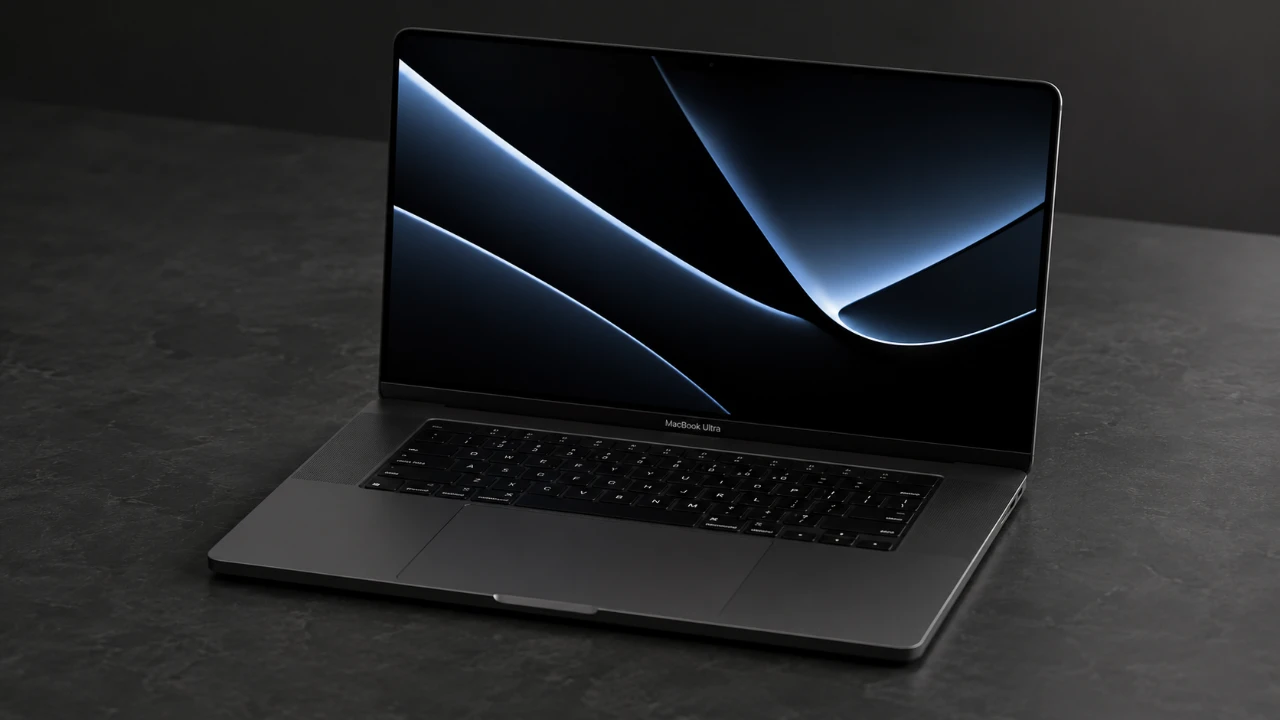
Apple’s upcoming MacBook Pro lineup is set to introduce significant advancements, including the much-anticipated OLED displays and touch functionality for its premium models. These updates promise to enhance the user experience with improved visuals and interactivity. However, these innovations come with notable trade-offs, such as higher price points and decisions shaped by ongoing supply chain challenges. While these changes represent a step forward, they also introduce complexities that could influence your purchasing decision.

What’s New for the Base MacBook Pro?
For those considering the base MacBook Pro models, the updates are evolutionary rather than innovative. These models will retain the mini-LED display technology and the familiar design that many users have come to appreciate. The most notable upgrade is the inclusion of the M6 chipset, which is built on an advanced 2-nanometer process. This next-generation chip delivers improved AI capabilities, enhancing performance for tasks such as machine learning, computational workloads, and everyday multitasking.
However, OLED displays will not be included in the base models at this stage. Apple has opted to reserve this feature for future iterations, likely pairing it with the M7 or M8 chipsets. This strategic decision reflects Apple’s approach to differentiating its product tiers while addressing supply chain constraints. For users seeking a balance between performance and affordability, the base models remain a practical choice, offering solid upgrades without the premium price tag.
Premium Models: OLED Displays and Touch Functionality
The premium MacBook Pro models are where Apple’s most exciting innovations come into play. The introduction of OLED displays promises richer color accuracy, deeper blacks and improved contrast ratios, delivering a more immersive visual experience. Paired with touch functionality, these models aim to provide a more interactive and versatile user experience, catering to professionals and creatives who demand innovative technology.
In addition to these features, the premium models will showcase a thinner and sleeker design, emphasizing portability and aesthetics. However, there is a notable compromise: these models will rely on the M5 Pro and M5 Max chipsets, rather than the anticipated M6 Pro or M6 Max. This decision is a direct result of ongoing RAM shortages, which have limited Apple’s ability to integrate its latest chipsets across the lineup. Instead, Apple plans to leap directly to the M7 Pro and M7 Max chipsets in future releases, bypassing the M6 Pro and Max entirely. While the OLED models offer innovative display technology, the reliance on older chipsets may feel like a trade-off for some users.
Rising Costs: A Key Concern
One of the most significant challenges with the new MacBook Pro lineup is the anticipated increase in pricing. The integration of OLED displays, touch functionality and rising RAM costs are driving up production expenses. As a result, the premium OLED models are expected to exceed $3,000, making them a substantial investment for consumers.
Even the base models, despite their more modest updates, are likely to see price hikes. This trend reflects broader industry dynamics, where supply chain disruptions and rising material costs are pushing prices higher across the board. For potential buyers, this means carefully weighing the benefits of new features against the financial commitment required.
Supply Chain Challenges and Market Strategy
Apple’s decisions for the new MacBook Pro lineup are heavily influenced by current market conditions. RAM shortages and supply chain disruptions have forced the company to prioritize certain features while delaying others. By reserving OLED displays and touch functionality for premium models, Apple is creating a clear distinction between its product tiers, making sure that the higher-end models stand out in terms of innovation.
For consumers, this strategy presents a choice: invest in the latest technology at a premium price or opt for older models that still offer strong performance at a more accessible cost. Devices with M4 or M5 chipsets remain viable options for users who prioritize affordability over innovative features. However, the widening price gap between base and premium models could make it more challenging for some buyers to justify upgrading.
What This Means for You
As a potential buyer, your decision will hinge on whether the new features justify the higher costs. The OLED displays and touch functionality in the premium models offer significant improvements in visual quality and interactivity, making them an attractive option for professionals and tech enthusiasts. However, the reliance on older chipsets in these models may feel like a compromise, especially given the premium price tag.
For those who prioritize value, older MacBook Pro models with M4 or M5 chipsets remain a practical choice. These devices continue to deliver reliable performance for most users and are available at a more reasonable price point. On the other hand, if you’re eager to experience the latest advancements and are willing to invest in the OLED models, the enhanced display and touch capabilities could be worth the additional cost.
Ultimately, your decision should align with your specific needs, budget and priorities. Whether you choose to embrace the latest innovations or stick with a tried-and-true model, understanding the trade-offs involved will help you make an informed choice.
Deep dive into the latest in OLED MacBook Pro by exploring our other resources and articles.
- M6 MacBook Pro Leaks: Apple’s Biggest Redesign in 5 Years Revealed
- Leaked: Apple’s M6 OLED MacBook Pro is the Redesign We’ve Been Waiting For
- Apple’s 4 Leaked MacBooks: Is It Game Over for Windows Laptops?
- Why the M5 Mac Studio and OLED MacBook Pro are Delayed
- What Apple’s First Touchscreen MacBook Pro Means for You
Source: SaranByte
Disclosure: Some of our articles include affiliate links. If you buy something through one of these links, Geeky Gadgets may earn an affiliate commission. Learn about our Disclosure Policy.
