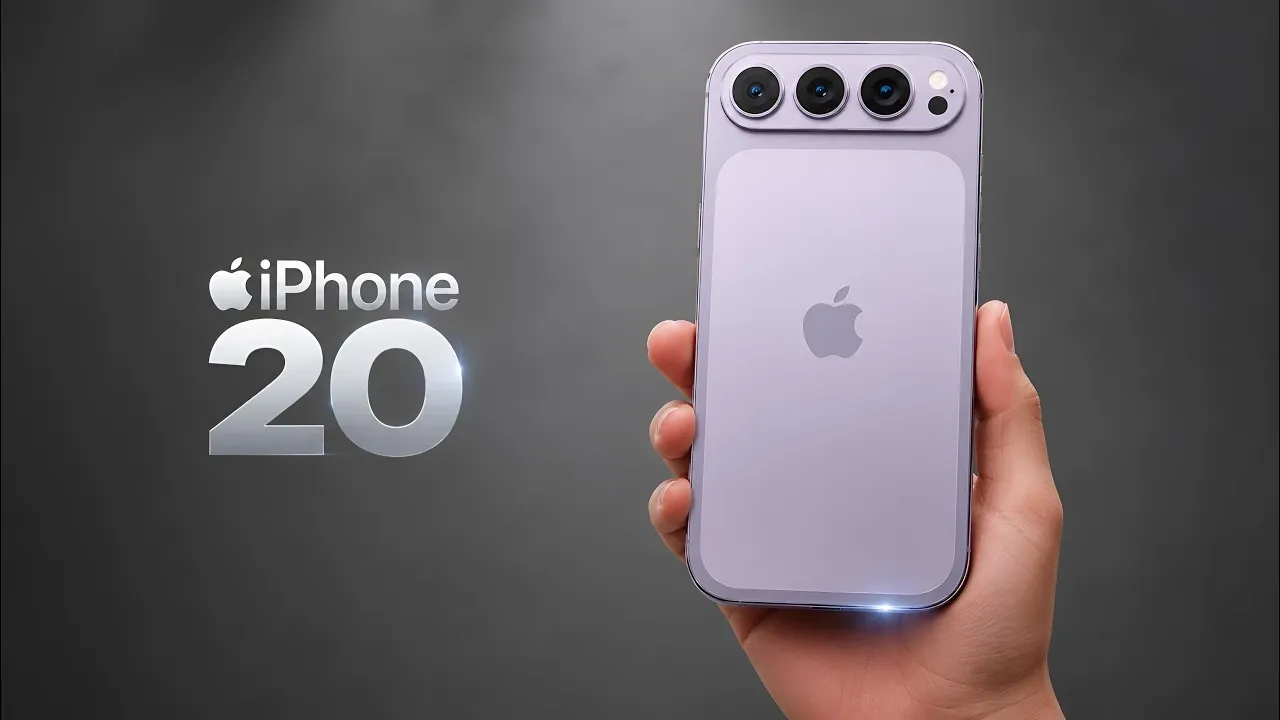
Apple’s ambitious vision for the iPhone 20, a device intended to commemorate the 20th anniversary of its iconic smartphone, has encountered significant obstacles. Envisioned as a technological marvel with a seamless all-glass body and innovative features, the project has run into substantial manufacturing challenges. These hurdles have cast serious doubt on whether the device will ever reach consumers, raising broader questions about Apple’s ability to deliver on its most daring concepts while maintaining its reputation for innovation.

A Bold Vision for the Future
The iPhone 20 was designed to represent an innovative leap in smartphone design, blending futuristic aesthetics with advanced functionality. Apple’s vision for the device included several standout features:
- A seamless all-glass body that wraps around the front and sides, eliminating visible seams or interruptions for a sleek, unified appearance.
- Under-display Face ID sensors, removing the need for notches or cutouts and creating an uninterrupted screen experience.
- Solid-state controls to replace physical buttons, offering a touch-sensitive interface that enhances durability and design simplicity.
- A quad-curved glass design with precision-engineered curves on all six sides, delivering a futuristic look and feel.
These features were not merely aesthetic choices but were intended to redefine the concept of a luxury smartphone. With a rumored price tag of $2,000, the iPhone 20 was positioned as a premium device that would set new benchmarks in design and technology. However, the very innovations that made the iPhone 20 so ambitious have also made it exceptionally difficult to manufacture at scale.
Manufacturing Hurdles
The seamless glass body, while visually stunning, has proven to be a significant manufacturing challenge. Creating a six-sided quad-curved glass structure at scale has led to high defect rates and low production yields. These issues have made mass production both costly and time-intensive, raising questions about the feasibility of the design.
Similarly, the under-display Face ID sensors and solid-state controls have introduced their own complexities. Making sure these components function reliably while withstanding daily wear and tear is particularly challenging in a device with such an unconventional design. The integration of these advanced technologies into a single product has compounded the difficulties, making it increasingly uncertain whether the iPhone 20 can be brought to market without significant compromises.
Will Apple Cancel the iPhone 20?
Reports suggest that Apple may ultimately decide to cancel the iPhone 20 project due to the substantial production challenges it faces. If this happens, it would mark the loss of a highly anticipated $2,000 luxury iPhone tier, potentially disappointing consumers who were eager for a new 20th-anniversary model.
However, Apple has a history of repurposing innovations from canceled projects. Technologies such as the seamless glass body or under-display sensors could find their way into future iPhone models or entirely new product categories, such as foldable devices. This approach would allow Apple to capitalize on its investment in research and development while avoiding the risks associated with launching an overly complex product.
What This Means for Future iPhones
The potential cancellation of the iPhone 20 highlights the delicate balance between innovation and practical manufacturing. While features like the seamless glass body and under-display Face ID represent significant advancements, integrating them into mainstream products may require further refinement and technological breakthroughs.
Apple’s ability to scale these innovations without compromising quality or affordability will be critical for its future success. Lessons learned from the iPhone 20 project could inform the development of other high-end devices, such as foldable iPhones or experimental designs that push the boundaries of what smartphones can achieve. By adopting an iterative approach, Apple can continue to innovate while minimizing the risks of overreaching.
The Road Ahead
As Apple approaches the 20th anniversary of the iPhone, the company’s plans for a landmark device remain uncertain. While the iPhone 20 may not materialize in its original form, the innovations it introduced are likely to influence the future of Apple’s product lineup. Whether through incremental updates to existing models or the introduction of entirely new devices, Apple’s commitment to pushing the boundaries of design and technology is unlikely to waver.
For now, the fate of the $2,000 iPhone remains uncertain. What is clear, however, is that Apple’s relentless pursuit of innovation will continue to shape the evolution of its products, even in the face of significant challenges. The lessons learned from the iPhone 20 project may ultimately pave the way for breakthroughs that redefine the smartphone industry in the years to come.
Here is a selection of other guides from our extensive library of content you may find of interest on iPhone 20.
- Forget the iPhone 18: Early Leaks Reveal Apple’s Insane iPhone 20 Blueprint
- Why Apple’s All-Screen iPhone 20 is a Massive Design Shift
- Why Apple’s iPhone 20 is the Biggest Leap in Smartphone History
- The ‘All-Glass’ Dream: iPhone 20 Leak Reveals a 100% Bezel-Less Display
- What Apple Just Revealed About the Upcoming iPhone 20
- Everything Reportedly Revealed in Recent iPhone 20 Leaks
Source & Image Credit: Demon’s Tech
Disclosure: Some of our articles include affiliate links. If you buy something through one of these links, Geeky Gadgets may earn an affiliate commission. Learn about our Disclosure Policy.
