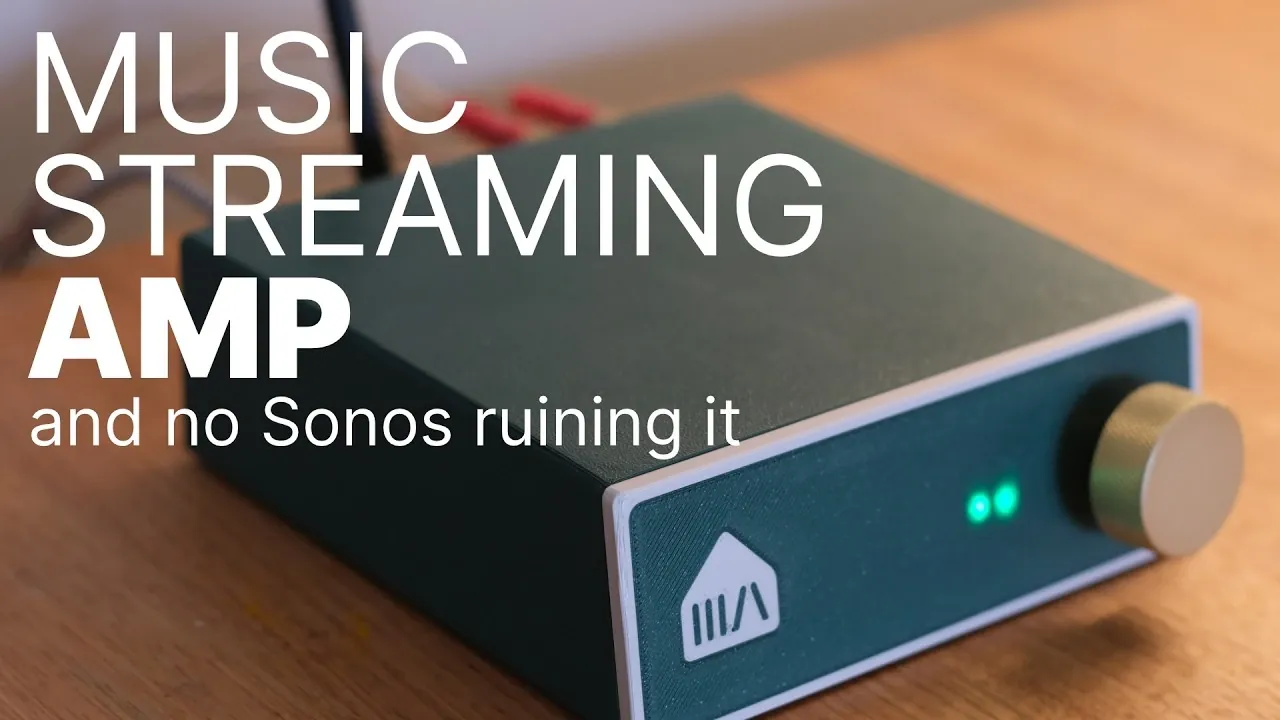
Building a high-quality audio system can be both affordable and rewarding. By tmuWolverine, this deep dive highlights the Louder ESP32 board, which features an ESP32-S3 microcontroller and a Texas Instruments amplifier. This setup delivers up to 23W in stereo or 45W in mono, offering strong sound performance. Additional features like USB-C power input, an optional external Wi-Fi antenna and a tactile rotary volume control make this DIY system practical and user-friendly.
Dive into step-by-step assembly instructions, including how to incorporate RGB LEDs for visual feedback and customize the design with 3D-printed housing. Gain insight into software options such as SqueezeLite and SnapClient, which support streaming and multi-room audio playback. This guide equips you with the knowledge to build a tailored audio system that aligns with your budget and preferences.
TL;DR Key Takeaways :
- Build a cost-effective, high-quality network audio amplifier using the Louder ESP32 board, ESP32-S3 microcontroller and Texas Instruments amplifier, delivering up to 45W of sound output.
- Key hardware features include USB-C power input, optional external Wi-Fi antenna, RGB LEDs for visual feedback and a rotary encoder for precise volume control.
- Step-by-step assembly involves integrating components like a rotary encoder, RGB LEDs and 3D-printed housing for a customizable and user-friendly design.
- Compatible with open source firmware options like SqueezeLite, SnapClient and Music Assistant, with integration support for Home Assistant for multi-room audio setups.
- Offers premium audio performance at an affordable cost, with compatibility for popular streaming services like Spotify and YouTube Music, making it a scalable and versatile DIY solution.
Hardware Features
The foundation of this DIY audio system is the Louder ESP32 board, powered by the advanced ESP32-S3 microcontroller. Renowned for its robust wireless capabilities and efficient processing, the ESP32-S3 is well-suited for audio applications. Paired with a Texas Instruments amplifier, this system delivers exceptional sound output, offering up to 23W in stereo mode or 45W in mono mode.
Here are the standout hardware features that make this system unique:
- USB-C Power Input: The board supports a wide voltage range (5V to 24V), making sure compatibility with various power sources. A decoy board allows for voltage customization, enhancing flexibility.
- Optional External Wi-Fi Antenna: This feature extends the wireless range, making the system ideal for larger spaces or multi-room setups.
- RGB LEDs: Integrated LEDs provide visual feedback, adding a modern and interactive element to the system.
- Rotary Encoder with Brass Knob: The encoder offers precise and tactile volume control, combining functionality with an elegant design.
These features collectively ensure that the hardware is versatile, user-friendly and capable of delivering a premium audio experience.
Step-by-Step Assembly
Assembling this audio system is straightforward, thanks to the accessibility of its components and the flexibility of its design. The use of 3D-printed housing allows for customization, allowing you to tailor the system’s appearance and structure to your preferences. Speaker connections are secured using binding posts, making sure stable and reliable performance.
Key assembly steps include:
- Rotary Encoder Integration: Install the rotary encoder for intuitive and precise volume control.
- RGB LED Placement: Embed the LEDs behind 3D-printed material to create a subtle and visually appealing feedback system.
- Buck Converter Installation: Use a buck converter to step down voltage for efficient power management of the LEDs.
By following these steps, you can create a functional and visually appealing audio system that is both easy to assemble and maintain. The modular design also allows for future upgrades or modifications, making sure long-term usability.

Unlock more potential in ESP32 by reading previous articles we have written.
- Optimize ESP32 Battery Life Using 10 Lesser-Known Features
- Arduino Nano ESP32 handheld console with round color display
- T-Display AMOLED Touch ESP32 board binary converter project
- Super Tiny RP2040/ESP32 Board Display for IoT and DIY Projects
- Loud ESP ESP32 audio development platform
- Tiny Holo Cubic display features a 1.3-inch TFT IPS and ESP32 microcontroller
- LilyGo T Watch Keyboard C3 mini computer kit
- Track Room Occupancy Without Cameras Using ESP32 Wi-Fi Drops
- New CodeCell C6 IoT ESP32 Board : Same Price, Improved Low-Power Design
- DIY 3D Printer Emission Monitor Helps Improve Indoor Air Quality
Software and Firmware Options
One of the most compelling aspects of this project is its compatibility with a variety of open source firmware options. These options provide flexibility in managing and controlling your audio system, allowing you to customize its functionality to suit your needs. Supported firmware includes:
- SqueezeLite: A lightweight audio player designed for network streaming, offering seamless playback.
- SnapClient: Enables synchronized audio playback across multiple devices, perfect for multi-room setups.
- Music Assistant: Integrates effortlessly with your music library and streaming services, providing a unified audio experience.
Additionally, the system supports integration with Home Assistant, a popular smart home platform. This integration allows you to control and synchronize audio playback across multiple rooms, creating a cohesive and immersive listening environment. The open source Senpin protocol further enhances compatibility, making sure smooth and reliable playback across various devices.
Performance and Cost Efficiency
Despite its affordability, this DIY audio system delivers performance that rivals high-end commercial alternatives. The Texas Instruments amplifier ensures clear and high-quality sound output, while the ESP32-S3 microcontroller provides reliable wireless connectivity and efficient processing power. This combination of components results in a system that is both powerful and cost-effective.
Here’s a breakdown of the estimated costs:
- Louder ESP32 Board: Approximately $30 AUD.
- Additional Components: Includes the amplifier, rotary encoder, RGB LEDs and 3D-printed housing, with costs varying based on customization.
The system is compatible with a wide range of audio sources, including Plex, Spotify and YouTube Music, allowing you to stream your favorite content effortlessly. This makes it an excellent choice for anyone seeking to enhance their audio experience without overspending.
Applications and Use Cases
This DIY audio system is ideal for a variety of users, from tech enthusiasts to those simply looking for an affordable alternative to expensive commercial systems. Whether you’re setting up a single-room audio system or a multi-room configuration, this project offers the tools and flexibility to meet your needs.
Key benefits include:
- Cost-Effective Design: Achieve premium sound quality without the high price tag of commercial systems.
- Open source Compatibility: Customize and control your system with a variety of firmware options.
- Scalability: Easily expand the system for single-room or multi-room audio setups.
By combining accessible components, innovative design and open source software, this project demonstrates how you can achieve high-quality audio performance at a fraction of the cost of commercial alternatives. With a bit of effort and creativity, you can build a customizable, high-performing audio system that meets your specific needs and preferences.
Media Credit: tmuWolverine
Disclosure: Some of our articles include affiliate links. If you buy something through one of these links, Geeky Gadgets may earn an affiliate commission. Learn about our Disclosure Policy.
