What if the sunglasses you wear every day could do more than just block the sun? Imagine capturing high-quality photos, streaming live to Instagram, or even navigating with real-time directions, all without pulling out your phone. That’s the promise of Meta’s latest smart glasses, the Ray-Ban Wayfarer Gen 2 and the Ray-Ban Display. But here’s the catch: while both models pack impressive features, they cater to very different needs. Choosing the wrong pair could mean overpaying for tech you won’t use, or missing out on new innovations. Before you make a decision, it’s crucial to understand how these two models stack up in terms of design, functionality, and everyday usability.
In this comparison guide Tech Fowler breaks down the key differences between the sleek, fashion-forward Wayfarer Gen 2 and the tech-heavy Display. From Meta AI integration to unique features like gesture controls and live translation, you’ll discover what sets these smart glasses apart, and which one aligns with your lifestyle. Whether you’re a casual user looking for stylish convenience or a tech enthusiast eager to explore the future of wearables, this guide will help you make an informed choice. By the end, you might just rethink what a pair of sunglasses can do.
Meta Ray-Ban Glasses Comparison
TL;DR Key Takeaways :
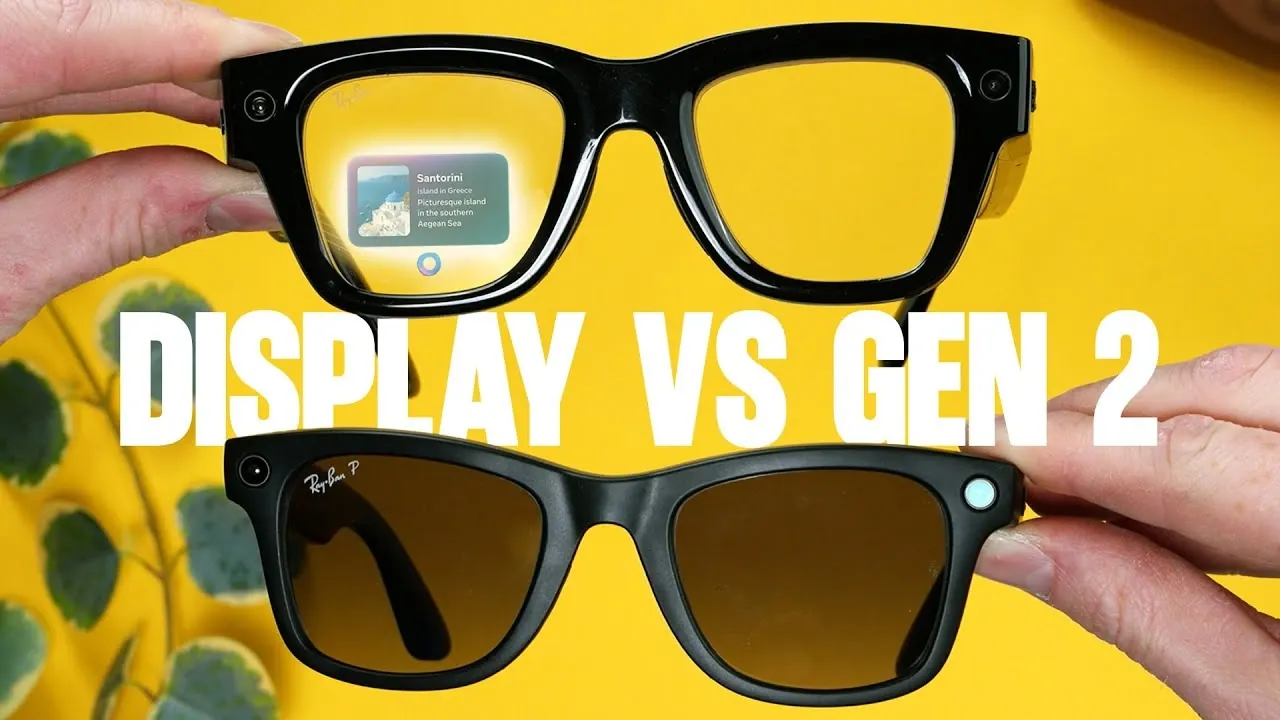
- The Meta Ray-Ban Wayfarer Gen 2 focuses on a lightweight, stylish design resembling traditional sunglasses, while the Display model adopts a bulkier, tech-forward design to accommodate advanced features.
- Both models share core features like a 12MP 3K camera, open-ear speakers, Meta AI integration, and POV live streaming, but the Display adds a 600×600 monocular display, gesture-based controls, and advanced functionalities like live translation and walking directions.
- The Wayfarer Gen 2 offers better comfort and extended battery life (8 hours + 48 hours via case), making it ideal for everyday use, while the Display provides 6 hours of use with a 30-hour case, reflecting its higher power demands.
- Pricing highlights their target audiences: the Wayfarer Gen 2 starts at $379 for casual users seeking affordability and style, while the Display is priced at $799, catering to tech enthusiasts and early adopters.
- Limitations include restricted Meta AI integration to Meta platforms, lack of horizontal photo/video capture, and limited utility of the Display’s maps and translation features, which may affect user experience and practicality.
Design and Aesthetics: Style Meets Technology
The design of smart glasses is a critical factor, influencing both their usability and how seamlessly they integrate into your personal style.
- Wayfarer Gen 2: These glasses stay true to the classic Ray-Ban aesthetic, offering a discreet and stylish appearance. With a variety of frame and lens options, including prescription and polarized variants, they cater to users who prioritize a seamless blend of fashion and technology. Their lightweight design ensures they look and feel like traditional sunglasses, making them a versatile choice for everyday wear.
- Display: The Display model adopts a more tech-forward design, featuring thicker rims and arms to accommodate its advanced hardware. Available in glossy black and matte brown, its bulkier construction prioritizes functionality over subtlety. While less versatile in terms of style, the Display’s design reflects its focus on delivering innovative features.
Core Features: Balancing Shared Foundations with Advanced Capabilities
Both models share several foundational features, but the Display introduces advanced functionalities that set it apart.
- Shared Features:
- A 12MP 3K camera on the left temple for capturing photos and videos, with LED indicators to ensure privacy awareness.
- Open-ear speakers that provide clear audio for music playback and phone calls without isolating you from your surroundings.
- Meta AI integration, allowing voice commands for tasks like taking photos, checking notifications, or controlling playback.
- POV live streaming to Instagram and vertical photo/video capture, appealing to content creators and social media enthusiasts.
- Display-Specific Features:
- A 600×600 monocular display embedded in the right lens, allowing users to interact with apps, preview photos, and use a built-in viewfinder.
- Gesture-based controls enabled by a neural wristband, offering hands-free navigation for a futuristic user experience.
- Additional features such as live translation, walking directions, and basic games, enhancing its utility for tech-savvy users.
Meta Ray-Ban Wayfarer Gen 2 vs Display Comparison
Here are more detailed guides and articles that you may find helpful on smart glasses.
- Xiaomi AI Smart Glasses Review: Features, Price & Performance
- Meta Ray-Ban Smart Glasses: Features, Price, and Performance
- Top 5 Smart Glasses Transforming Wearable Technology in 2025
- Xiaomi AI Smart Glasses : Honest Review After 3 Weeks of Use
- Olympus EyeTrek El-10 Open Source Smart Glasses
- Android XR Smart Glasses Updates and News for November 2025
- Ray-Ban Meta vs Xiaomi AI Smart Glasses, Detailed Comparison for
- Samsung & Apple Smart Glasses : Latest Leaks Revealed
- Samsung’s Smart Glasses Will Transform Wearable Technology
- INMO Air 3 Smart Glasses Review, Android 14 Standalone
Usability and Comfort: Everyday Wearability vs. Advanced Functionality
Comfort and ease of use are crucial for wearable devices, especially for extended periods.
- Wayfarer Gen 2: Lightweight and ergonomically designed, these glasses feel like regular sunglasses, making them ideal for all-day wear. Their familiar design ensures they integrate seamlessly into daily life without drawing unnecessary attention.
- Display: Heavier and bulkier due to its advanced hardware, the Display model may feel less comfortable during prolonged use or physical activities. Additionally, the neural wristband requires precise fitting, often necessitating an in-store try-on to ensure optimal usability and comfort.
Battery Life and Charging: Powering Your Experience
Battery performance is a key consideration for smart glasses, as it directly impacts their practicality and convenience.
- Wayfarer Gen 2: Offers up to 8 hours of general use, supported by a charging case that provides an additional 48 hours of battery life. This extended battery capacity makes it a reliable choice for users who need consistent performance throughout the day.
- Display: Delivers up to 6 hours of general use, with a charging case extending battery life by 30 hours. While the shorter battery life reflects the higher power demands of its advanced features, it may require more frequent charging for users who rely heavily on its capabilities.
Price and Value: Weighing Cost Against Features
The price difference between the two models underscores their distinct target audiences and feature sets.
- Wayfarer Gen 2: Starting at $379, this model provides an affordable entry point into the world of smart glasses. Its combination of essential features and stylish design makes it an attractive option for casual users seeking a practical and fashionable accessory.
- Display: Priced at $799, the Display caters to early adopters and tech enthusiasts who are eager to explore innovative smart glasses technology. However, its limited app ecosystem and niche features may not justify the higher cost for all users, particularly those who prioritize practicality over innovation.
Limitations: Factors to Consider
Despite their innovative features, both models come with certain limitations that may influence your decision.
- Neither model supports horizontal photo or video capture, which could limit creative flexibility for content creators.
- Meta AI is restricted to Meta-owned platforms like Instagram and WhatsApp, with no integration for third-party services such as iMessage or Spotify.
- The Display’s maps and translation features are limited in scope, reducing their overall utility for users who require comprehensive navigation or language support.
Recommendations: Choosing the Right Model for Your Needs
Selecting between the Wayfarer Gen 2 and the Display ultimately depends on your priorities and how you intend to use the glasses.
- Wayfarer Gen 2: Best suited for users seeking a stylish, functional, and affordable smart accessory. Its lightweight design, extended battery life, and familiar aesthetic make it a practical choice for everyday use.
- Display: Ideal for early adopters and tech enthusiasts who value innovative features and are willing to invest in emerging technology. However, its higher price and limited app support may make it less appealing to casual users.
The Meta Ray-Ban Wayfarer Gen 2 and Meta Ray-Ban Display cater to different audiences, reflecting their unique designs and feature sets. The Wayfarer Gen 2 offers a practical, cost-effective option for most users, combining style and functionality in a familiar form. On the other hand, the Display delivers advanced capabilities for those willing to invest in emerging technology, despite its higher price and narrower appeal. Your decision will ultimately depend on whether you prioritize affordability and comfort or innovative innovation.
Media Credit: Tech Fowler
Disclosure: Some of our articles include affiliate links. If you buy something through one of these links, Geeky Gadgets may earn an affiliate commission. Learn about our Disclosure Policy.
