
Imagine this: you’re strolling through a bustling city, capturing hands-free, high-resolution video of your surroundings, all while staying aware of the electric vehicles silently zipping by. Sounds futuristic, right? That’s the promise of the Xiaomi AI Smart Glasses, a wearable that blends everyday eyewear with innovative tech. But after three weeks of real-world use, do they truly deliver on their bold claims? From sleek design to AI-driven features, these glasses have sparked curiosity and debate among tech enthusiasts and content creators alike. Yet, as with any first-generation product, innovation often comes with compromises.
In this wearable review by Lee, learn more about what makes the Xiaomi AI Smart Glasses stand out, and where they fall short. You’ll discover how their 2K resolution camera and hands-free recording capabilities cater to content creators, but also why their limited battery life and basic AI features might leave some users wanting more. Are they a fantastic option for wearable tech or just a niche gadget with untapped potential? By the end, you’ll have a clear sense of whether these glasses are worth the hype, or better left on the shelf. Sometimes, the future arrives with a few rough edges.
Xiaomi AI Smart Glasses Key Features and Design
TL;DR Key Takeaways :
- The Xiaomi AI Smart Glasses are designed for content creators, featuring a 2K resolution camera with flexible video formats, but suffer from limited image stabilization during dynamic movements.
- Weighing 400-540 grams, the glasses are lightweight but can cause discomfort during extended use, particularly around the nose bridge, highlighting the need for improved ergonomics.
- Audio quality is enhanced with likely bone conduction speakers, offering situational awareness, but battery life is limited, with only 40-45 minutes of continuous video recording per charge.
- AI features like object recognition and translation are basic and inconsistent, with translation optimized for Chinese but hindered by lag, reducing practicality for real-time use.
- Priced at ~$280, the glasses offer good value for niche users focused on video recording but lack versatility due to limited AI capabilities, comfort issues, and reliance on smartphone connectivity.
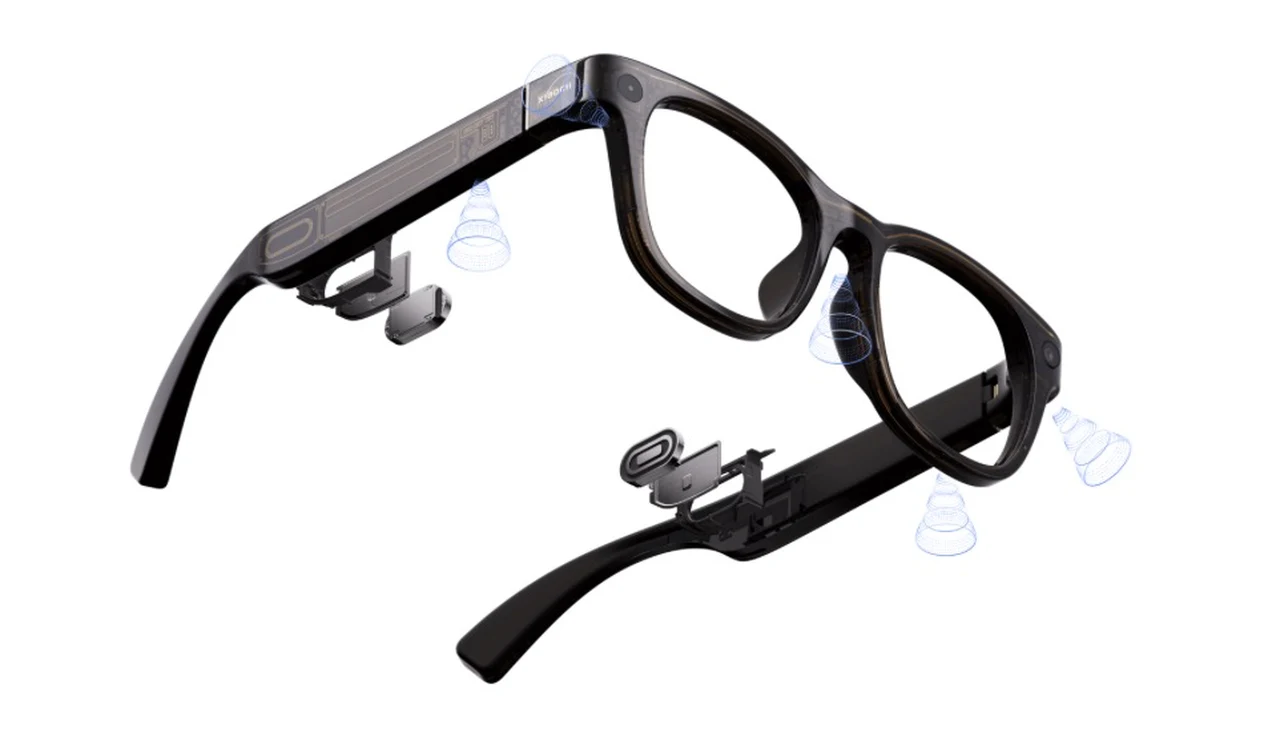
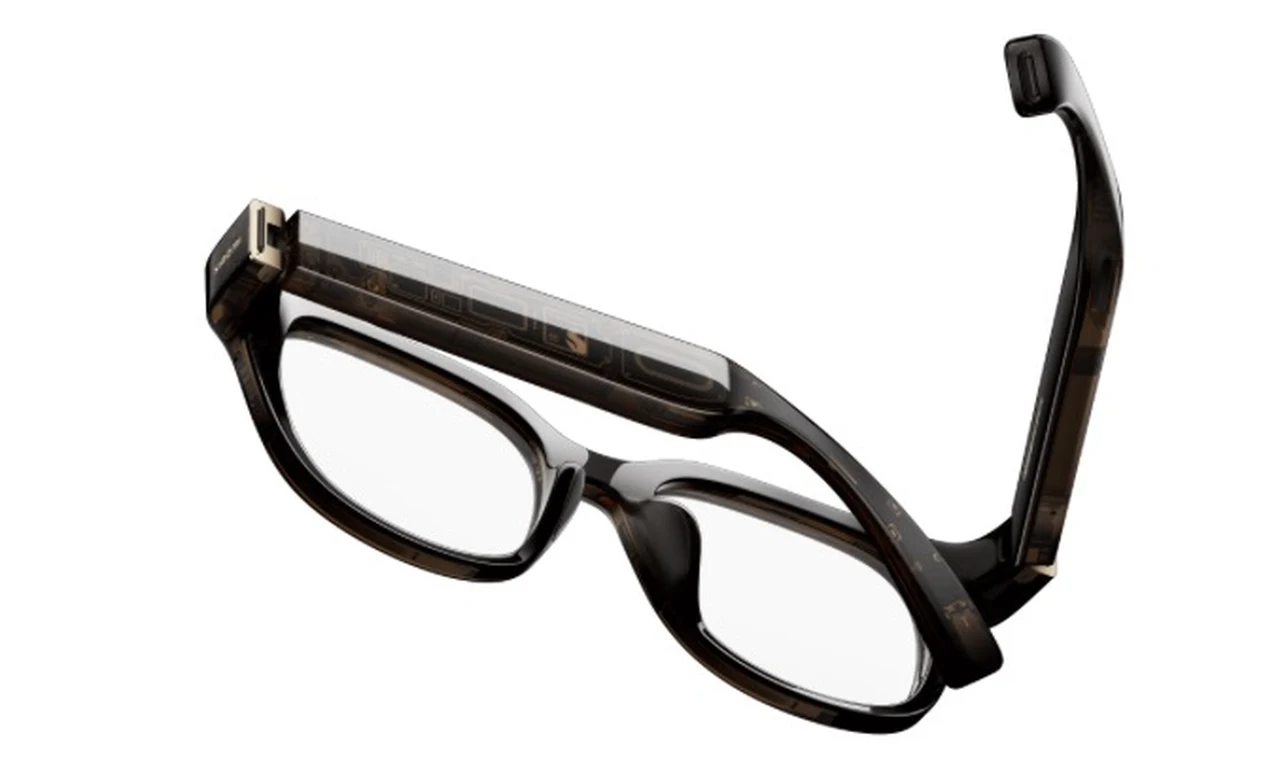
Weighing 400 grams in their standard configuration and 540 grams with prescription lenses, the Xiaomi AI Smart Glasses are relatively lightweight for a tech-enhanced wearable. However, extended use can lead to noticeable discomfort, particularly around the nose bridge. This suggests that future iterations could benefit from improved ergonomics to enhance user comfort during prolonged wear.
A standout feature is the 2K resolution camera, which records in a 4:3 aspect ratio. This format provides flexibility for cropping into 16:9 or 9:16 formats, making the glasses especially appealing for content creators who require hands-free video recording. The image stabilization performs well during walking but struggles with rapid head movements, limiting its effectiveness in more dynamic scenarios. For users seeking smooth footage in active environments, this limitation may be a significant drawback.
Audio and Battery Performance
The glasses are equipped with high-quality speakers, likely using bone conduction technology. This design allows users to remain aware of their surroundings, offering a distinct advantage over traditional earbuds. This feature is particularly beneficial in environments where situational awareness is critical, such as urban areas with quiet electric vehicles.
Battery performance is an area of mixed results. Under general use, the glasses can last approximately eight hours, but continuous video recording drains the battery in just 40-45 minutes. While the option to recharge on the go using a lightweight power bank and an angled charging cable adds flexibility, this setup may not suit everyone. For users prioritizing convenience and extended recording sessions, the limited battery life could be a significant inconvenience.
Honest Opion After 3 Weeks of Wearing Xiaomi AI Smart Glasses

Gain further expertise in smart glasses by checking out these recommendations.
- Xiaomi AI Smart Glasses Review: Features, Price & Performance
- Meta Display Smart Glasses Review: Are They Worth the $800 Price
- Olympus EyeTrek El-10 Open Source Smart Glasses
- Meta Ray-Ban vs Rokid Smart Glasses : Features & Benefits
- Top Tips for Enhancing Your Meta Ray-Ban Smart Glasses
- Meta Ray-Ban Smart Glasses: Design, Features, and Performance
- Meta Ray-Ban Smart Glasses: Features, Price, and Performance
- Even G1 Smart Glasses Review: Features, Design, and Limitations
- Awesome Arduino Powered Smart Glasses Created By 13 Year Old
- DIY Arduino smart glasses with OLED display
AI and Software Capabilities
Despite being branded as “AI glasses,” the device’s artificial intelligence features are relatively basic. Object recognition and translation software are functional but inconsistent. The translation feature, optimized primarily for Chinese, suffers from noticeable lag, making it less practical for real-time applications such as live translation. This limitation reduces the glasses’ appeal for users seeking seamless AI-driven functionality.
The glasses rely on a companion app, available for both Android and iOS, to enable smartphone connectivity. This app is essential for tasks such as file transfers and software updates. However, the process can feel cumbersome, and users may experience quality loss during file transfers. For content creators handling high-resolution media, this issue could be particularly frustrating.
Comparison with Competitors
When compared to competitors like the Ray-Ban Meta glasses, the Xiaomi AI Smart Glasses excel in certain areas, such as video resolution and format flexibility. However, they fall short in other aspects, including the absence of integrated display screens. This omission limits their versatility for tasks beyond content creation, such as augmented reality applications or real-time navigation.
Competitors in the smart glasses market are increasingly incorporating features like heads-up displays and advanced AR capabilities, which enhance functionality for a broader range of use cases. In contrast, the Xiaomi AI Smart Glasses remain focused on content creation, which may narrow their appeal to a niche audience.
Areas for Improvement
To make the Xiaomi AI Smart Glasses more competitive and user-friendly, several areas could be enhanced:
- Improving comfort for extended wear, particularly around the nose bridge, to reduce user fatigue.
- Enhancing AI functionality, including more accurate object recognition and faster, more reliable translation software.
- Upgrading image stabilization to handle dynamic movements and incorporating advanced features such as horizon leveling for smoother footage.
- Streamlining the file transfer process to minimize quality loss and improve overall efficiency for content creators.
Addressing these areas could significantly enhance the glasses’ usability and broaden their appeal to a wider audience.
Price and Value
Priced at approximately 2,000 RMB (~$280), the Xiaomi AI Smart Glasses offer good value for content creators and users with specific needs. Their competitive pricing makes them an attractive option for those seeking hands-free video recording and basic AI functionality. However, their limited AI capabilities, comfort issues, and reliance on smartphone connectivity may deter users looking for a more versatile or polished product. For the price, the glasses cater well to a niche audience but leave room for improvement to appeal to a broader market.
The Xiaomi AI Smart Glasses are an innovative first-generation product that delivers practical benefits for hands-free video recording and content creation. While they demonstrate promise in design and functionality, limitations in AI features, comfort, and software integration highlight areas for refinement. With further development, these glasses could evolve into a more versatile and user-friendly tool, appealing to a wider audience beyond content creators. For now, they remain a compelling option for those who prioritize video recording and are willing to navigate the device’s current limitations.
Media Credit: Lee Does Tech
Disclosure: Some of our articles include affiliate links. If you buy something through one of these links, Geeky Gadgets may earn an affiliate commission. Learn about our Disclosure Policy.
