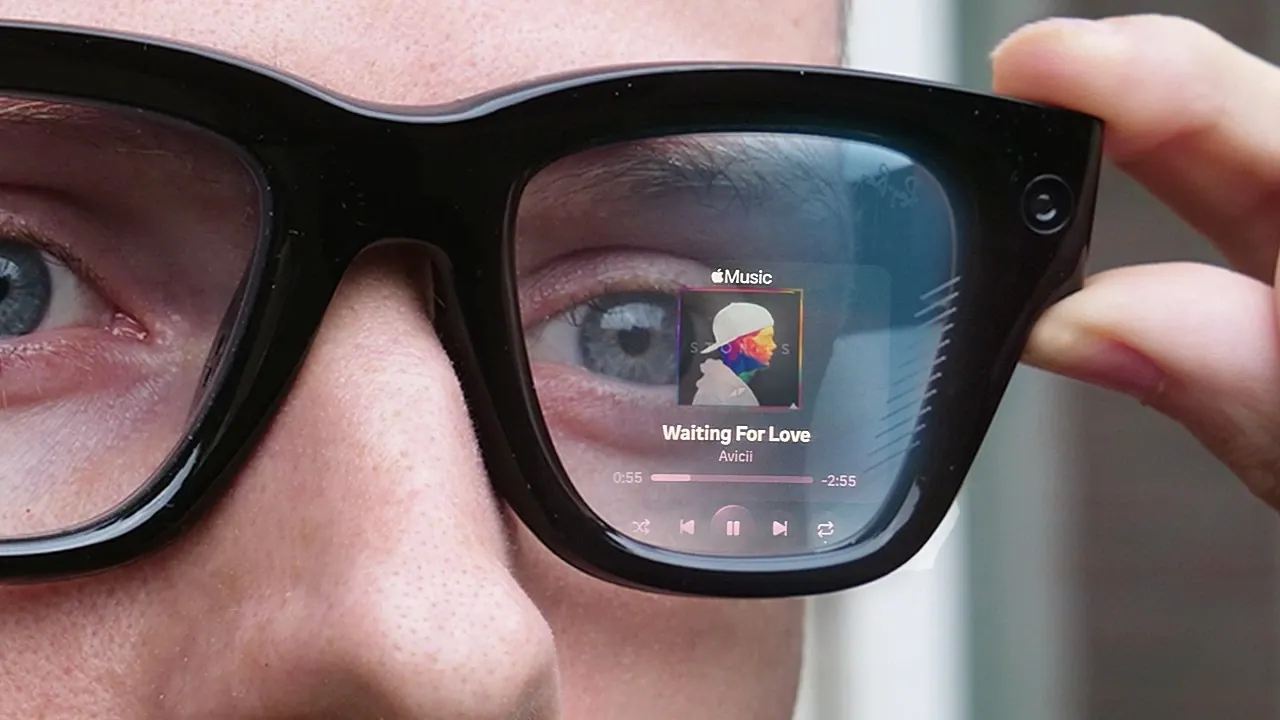
What if your sunglasses could do more than just shield your eyes from the sun? Imagine a sleek pair of Ray-Bans that not only look stylish but also project notifications into your field of view, translate conversations in real time, and respond to your gestures, all without pulling out your phone. Enter the Meta Ray-Ban Display Glasses, a bold attempt to merge innovative augmented reality (AR) tech with everyday wear. But here’s the kicker: while Meta’s latest innovation is undeniably ambitious, it’s also a clear signal to competitors like Apple that the AR race is heating up. Could these glasses be the first real contender to disrupt the market, or are they just a flashy prototype with more style than substance?
In this rundown of the Meta Ray-Ban Display Glasses, Nathie unpacks their most impressive features, like the waveguide display and neural band gesture control—as well as their frustrating limitations, such as short battery life and limited app support. You’ll discover how these glasses balance fashion with function and whether they deliver on the promise of a seamless AR experience. But are they truly ready to compete with Apple’s rumored AR offerings? By the end, you’ll have a clear sense of whether these glasses are a glimpse into the future or just a stepping stone in AR’s evolution. Sometimes, the most stylish innovations hide the deepest flaws.
Meta Ray-Ban AR Glasses
TL;DR Key Takeaways :
- The Meta Ray-Ban Display Glasses combine AR technology with the iconic Ray-Ban Wayfarer design, featuring a waveguide display, neural band gesture control, and AI-powered tools.
- Key features include real-time language translation, a 12MP camera, open-ear speakers, and a 600×600 resolution display with a 20° field of view for seamless AR experiences.
- Strengths include innovative neural band gesture control, accessibility potential for visually impaired users, and a lightweight, comfortable design despite its bulk.
- Weaknesses include limited app support, short battery life (3.5 hours), outdated hardware, and durability concerns with only IPX4 water resistance.
- Targeted at developers, early adopters, and niche users, the glasses highlight Meta’s ambition in AR but are not yet ready for mainstream adoption due to their experimental nature and limitations.
Design and Build
The glasses retain the iconic Ray-Ban aesthetic, available in two sizes and two colors, black and sand. Despite their stylish appearance, the design is bulkier than traditional sunglasses to accommodate the integrated technology. However, they remain lightweight and comfortable, even during extended use, which is a testament to their thoughtful engineering.
A key innovation is the neural band, a wrist-worn device that enables gesture-based control. This addition offers a discreet and intuitive way to interact with the glasses, enhancing their usability. However, the added bulk of the glasses may deter users who prioritize a sleek, minimalist look. While the design successfully merges fashion with function, it may not appeal to everyone.
Core Features
The Meta Ray-Ban Display Glasses are equipped with several advanced features designed to enhance daily life. These include:
- Waveguide Display: A 600×600 resolution display with a 20° field of view projects notifications, visuals, and real-time navigation directly into your line of sight, offering a seamless AR experience.
- Real-Time Language Translation: This feature transcribes and translates conversations on the go, making it particularly useful for travelers or multilingual users.
- 12MP Camera: The camera captures high-quality photos and videos, with live previews and AI filters to enhance content creation.
- Open-Ear Speakers: Adaptive audio technology delivers clear sound for music, calls, and notifications while keeping you aware of your surroundings.
These features position the glasses as a multifunctional tool for productivity, entertainment, and accessibility. However, their full potential is limited by certain drawbacks, which impact their overall usability.
Meta Ray-Ban Display Glasses Review : Apple Might Be In Trouble
Gain further expertise in smart glasses by checking out these recommendations.
- Xiaomi AI Smart Glasses Review: Features, Price & Performance
- Samsung’s Smart Glasses Will Transform Wearable Technology
- Meta Ray-Ban Smart Glasses: Features, Price, and Performance
- Xiaomi AI Smart Glasses : Honest Review After 3 Weeks of Use
- Top 5 Smart Glasses Transforming Wearable Technology in 2025
- Xiaomi AI Smart Glasses Hands On First Impressions Review 2025
- Meta Ray-Ban Display AI Glasses : The Future of Smart Eyewear?
- Are Meta’s Ray-Ban Glasses Worth $800? We Take a Closer Look
- Meta Display Dual Screen Smart Glasses : Set to Launch in 2026
- Inmo Air 3 vs Rokid Smart Glasses : Compared for Everyday Use
Functionality and Performance
The glasses showcase impressive technological capabilities but are hindered by their reliance on a smartphone for data processing and app integration. This dependency limits their standalone functionality, making them less convenient for users seeking an all-in-one AR solution. Additionally, the app ecosystem is underdeveloped, with no support for popular platforms like YouTube or TikTok, which restricts their appeal to a broader audience.
The user interface, while minimalistic, suffers from occasional slow loading times and crashes, which can disrupt the user experience. Battery life is another significant limitation, lasting only 3.5 hours in real-world use, far below the promised six hours. Although the charging case extends usability, its added bulk detracts from the device’s portability, further complicating its practicality for everyday use.
Strengths
The Meta Ray-Ban Display Glasses excel in several areas, offering unique features that set them apart from other AR devices:
- Neural Band Gesture Control: This innovative feature enables hands-free interaction through simple gestures, enhancing convenience and usability.
- Real-Time Translation: The ability to transcribe and translate conversations in real time is a valuable tool for travelers and multilingual users.
- Comfortable Design: Despite their bulk, the glasses are lightweight and feature adaptive brightness, minimizing eye strain during extended wear.
- Accessibility Potential: AR-enhanced features could provide significant benefits for visually impaired users, offering new ways to interact with their surroundings.
These strengths highlight the glasses’ potential as a tool for niche audiences, particularly developers, early adopters, and users with specific accessibility needs.
Weaknesses
Despite their strengths, the glasses face several challenges that limit their broader appeal:
- Limited App Ecosystem: The lack of an app store and support for popular platforms restricts the glasses’ functionality and versatility.
- Short Battery Life: With a real-world battery life of just 3.5 hours, the glasses are impractical for extended use without frequent recharging.
- Outdated Hardware: Powered by a Snapdragon AR1 Gen 1 chip and 2GB of RAM, the glasses may struggle to keep up with future software demands, limiting their longevity.
- Durability Concerns: The IPX4 water resistance rating offers limited protection, making the glasses vulnerable to damage from water exposure.
These weaknesses underscore the experimental nature of the device, making it less appealing to mainstream consumers and more suited to niche markets.
Target Audience
The Meta Ray-Ban Display Glasses are best suited for developers, early adopters, and niche users with specific needs. Their accessibility features, for instance, could be invaluable for visually impaired individuals, offering innovative ways to navigate their environment. However, the limited app ecosystem and reliance on a smartphone make the glasses less practical for general consumers seeking a seamless, all-in-one AR experience.
Market Implications
These glasses represent a significant step toward making AR technology more accessible and affordable. Meta’s entry into the AR space signals its ambition to compete with tech giants like Apple and Google. While this iteration falls short of mainstream appeal, it lays the groundwork for future advancements in AR technology. Addressing current limitations, such as battery life, app support, and hardware performance, could position Meta as a leader in the AR market, shaping the future of wearable technology.
The Meta Ray-Ban Display Glasses offer a compelling glimpse into the possibilities of AR, blending style with innovation. However, their reliance on smartphones, limited app ecosystem, and short battery life highlight the challenges of creating a truly standalone AR device. For now, they serve as a stepping stone for developers and early adopters, paving the way for future iterations that may redefine the AR landscape.
Media Credit: Nathie
Disclosure: Some of our articles include affiliate links. If you buy something through one of these links, Geeky Gadgets may earn an affiliate commission. Learn about our Disclosure Policy.
