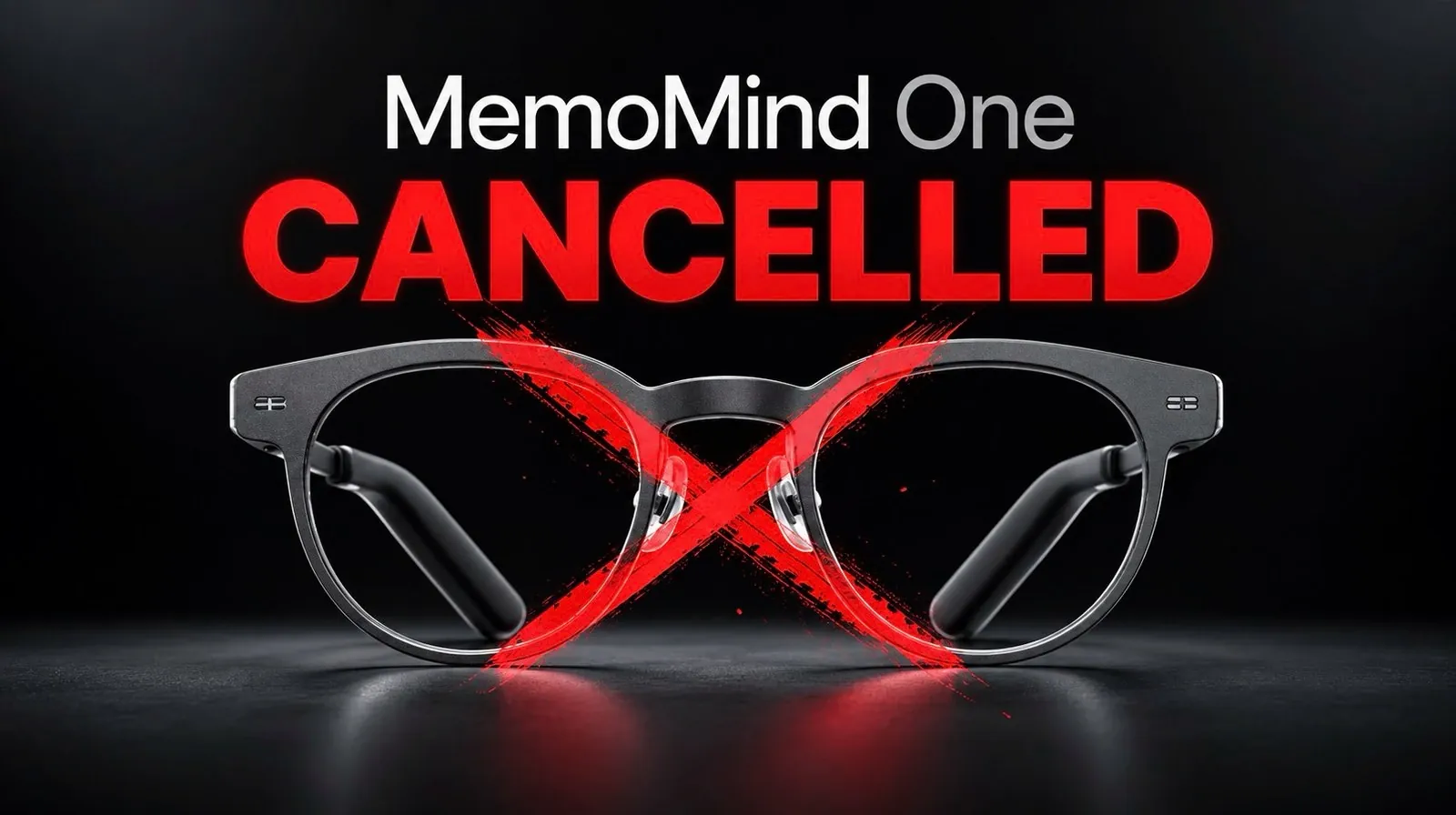
The sudden suspension of the MemoMind One Kickstarter campaign has sparked widespread discussion about the intersection of innovation, competition and intellectual property in the wearable tech industry. Steven Sullivan provide more insights into the details of the legal dispute between MemoMind and Even Realities, the latter claiming that the MemoMind One infringes on design patents for its Even G2 smart glasses. This conflict not only halted the campaign but also highlighted Kickstarter’s policy of suspending projects entangled in unresolved legal issues, leaving backers with refunds but no clear path forward for the product.
In this breakdown, you’ll gain insight into the specific patents at the center of the dispute and how they could influence the availability of affordable smart glasses. Explore the broader implications of intellectual property laws on smaller companies striving to compete in a market dominated by established players. Finally, understand how this case reflects the challenges of balancing innovation with fair competition, offering a glimpse into the potential future of wearable technology and consumer access.
Why the Kickstarter Campaign Was Suspended
TL;DR Key Takeaways :
- The MemoMind One Kickstarter campaign was suspended due to a patent dispute with Even Realities, which claims infringement on its design patents for the Even G2 smart glasses.
- Kickstarter’s policies require suspension of campaigns involved in unresolved legal disputes and backers are automatically refunded.
- The dispute highlights the tension between protecting intellectual property and fostering competition, particularly for smaller companies like MemoMind.
- MemoMind One’s suspension raises concerns about reduced consumer access to affordable, innovative smart glasses due to legal challenges.
- The outcome of this legal battle could set a precedent for how intellectual property disputes are handled in the wearable tech industry, impacting future innovation and competition.
If you’ve been tracking the development of MemoMind One, you may have noticed its sudden removal from Kickstarter. The campaign was suspended after Even Realities filed a formal complaint, alleging that MemoMind One infringed on its design patents. Kickstarter’s policies mandate the suspension of any campaign involved in unresolved legal disputes to protect the interests of all parties, including backers.
For those who pledged support, there’s some reassurance: Kickstarter’s automatic refund system ensures that your contributions are returned. However, the suspension has left many questioning the fairness of the process and the future of MemoMind One. The abrupt halt has also raised concerns about how such disputes impact smaller companies trying to innovate in competitive markets.
The Patent Dispute and Its Implications
At the heart of this controversy are claims by Even Realities that MemoMind One infringes on two of its recently issued U.S. design patents. These patents reportedly cover specific aesthetic and functional elements of the Even G2 smart glasses. While MemoMind One had already distributed functional prototypes to reviewers and early testers, the legal challenge has cast uncertainty over its ability to reach a broader audience.
For you as a consumer, this dispute could result in fewer choices in the growing smart glasses market. Intellectual property laws, while designed to protect innovation, can sometimes limit the availability of new products. This case highlights how legal battles can shape the trajectory of emerging technologies, potentially restricting access to innovative devices.

Become an expert in smart glasses with the help of our in-depth articles and helpful guides.
- Leaked Details Suggest Apple Glasses Are Finally Happening
- Samsung’s New Smart Glasses Are Aiming Straight for Meta’s Crown
- Samsung Integrates the Galaxy Ecosystem Into Everyday Eyewear
- The Hidden Genius Behind Apple’s Upcoming Smart Glasses
- Apple Glasses May Finally Arrive with an Unexpected Approach
- MemoMind One Smart Glasses Drop Cameras for Dual HUD Tech
- Samsung AI Smart Glasses Prepare for a Fall 2026 Release
- Apple Confirms the N50 Smart Glasses Launch for WWDC 2027
- Samsung Unveils Galaxy Smart Glasses with 9-Hour Battery
- Samsung’s Galaxy Glasses Pack a Secret Weapon Meta Can’t Match
Balancing Innovation, Competition and Intellectual Property
This situation underscores a recurring tension in the tech industry: the need to safeguard innovation while promoting healthy competition. Even Realities asserts that its patents represent years of research and development, which deserve legal protection. However, critics argue that such actions can stifle competition, particularly for smaller companies like MemoMind that aim to challenge established players.
If you follow trends in wearable technology, you’ve likely observed how dominant companies often use patents to maintain their market positions. This practice can limit the availability of affordable alternatives, leaving consumers with fewer options. For smaller innovators, navigating these legal and competitive challenges can be daunting, often requiring significant resources to defend their products.
The Impact on Affordable Smart Glasses
MemoMind One stood out for its promise of combining affordability with advanced features, making it an attractive option for budget-conscious consumers. Its suspension highlights a broader issue: how patent disputes can restrict access to cost-effective, innovative technology.
For you, this could mean fewer opportunities to explore innovative devices without exceeding your budget. The wearable tech market thrives on competition and when legal challenges eliminate viable options, consumers often bear the consequences in the form of higher prices and limited choices. The suspension of MemoMind One’s campaign serves as a reminder of how intellectual property disputes can shape the accessibility of emerging technologies.
What Lies Ahead for MemoMind One?
The future of MemoMind One remains uncertain. Resolving patent disputes is often a lengthy process, potentially taking months or even years. During this time, the product, and its potential customers, are left in limbo. If you were eagerly anticipating MemoMind One, you may face an indefinite wait or need to explore other, potentially more expensive, alternatives.
This case also raises broader questions about the application of intellectual property laws in fast-moving industries like wearable technology. As the legal process unfolds, the outcome could set a precedent for how similar disputes are handled in the future. For now, MemoMind’s fate remains unclear and its potential to disrupt the market and provide affordable innovation hangs in the balance.
Lessons for the Tech Industry and Consumers
The suspension of MemoMind One’s Kickstarter campaign is part of a larger trend in the tech world. While patents play a critical role in protecting innovation, they can also be used to limit competition. For you as a consumer, this could translate into fewer choices, higher prices and slower technological progress.
This situation highlights the challenges smaller companies face when entering markets dominated by established players. It also underscores the importance of finding a balance between fostering innovation and making sure fair competition. As a consumer, staying informed about such cases is essential, as their outcomes can influence the accessibility and affordability of future technologies.
The MemoMind One case serves as a reminder of the complexities involved in bringing innovative products to market. While the legal dispute continues, its resolution could have far-reaching implications for the wearable tech industry and the broader landscape of intellectual property rights.
Media Credit: Steven Sullivan
Disclosure: Some of our articles include affiliate links. If you buy something through one of these links, Geeky Gadgets may earn an affiliate commission. Learn about our Disclosure Policy.
