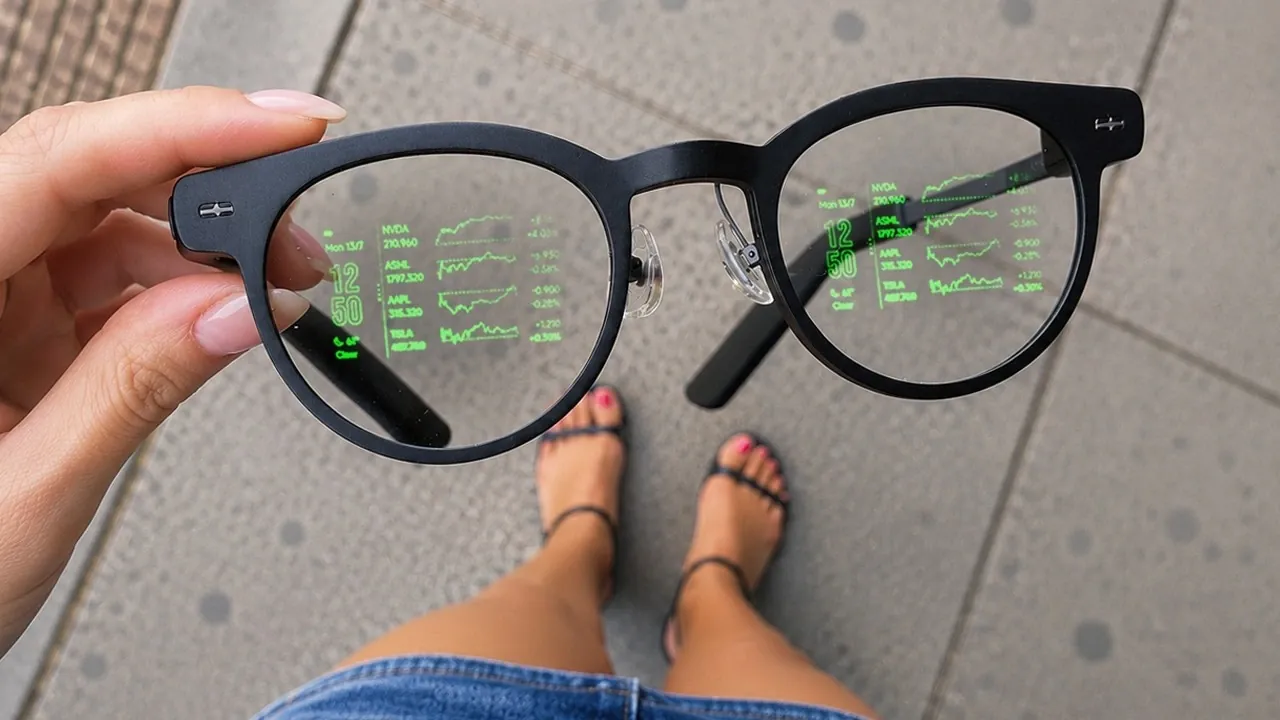
Smart glasses have long been associated with built-in cameras, but MemoMind One takes a different approach by prioritizing audio functionality and a heads-up display (HUD) over visual recording. This camera-free design directly addresses privacy concerns while offering advanced AI features like contextual memory and live transcription. As Nathie highlights, the glasses are thoughtfully crafted with a lightweight titanium frame, prescription lens compatibility and an automatic power-off feature when folded. These elements combine to create a device that balances practicality with discretion, making it a compelling option for users seeking productivity-focused wearables.
Explore how MemoMind One’s dual HUDs provide customizable, glanceable updates for tasks like reminders and navigation and learn how its AI-powered features streamline daily interactions through searchable conversation summaries and real-time translation. You’ll also gain insight into the device’s privacy-first approach, which avoids cameras entirely and offers transparent data management. Whether you’re interested in its accessibility benefits or its potential for professional use, this breakdown will help you understand what sets MemoMind One apart.
Lightweight, Durable and Thoughtfully Crafted
TL;DR Key Takeaways :
- MemoMind One smart glasses prioritize audio functionality and heads-up display (HUD) features over cameras, addressing privacy concerns while offering advanced AI capabilities in a sleek, camera-free design.
- The glasses feature a lightweight titanium frame for durability and comfort, with reflective lenses and compatibility with prescription lenses, though transition lenses are not supported.
- Advanced AI tools include contextual memory for organizing conversations, live transcription, real-time translation and teleprompter functionality, enhancing productivity and accessibility.
- Privacy is emphasized with no cameras and user-controlled microphones, making sure data security and transparency while syncing data to the MemoMind app and cloud storage.
- Limitations include a $20/month subscription for contextual memory, occasional microphone inaccuracies and limited audio quality for music, making it more suitable for practical tasks than entertainment.
Design and Build
MemoMind One is carefully designed to combine durability with comfort. Its lightweight titanium frame ensures flexibility and long-term wearability, making it suitable for extended use throughout the day. The reflective lenses, featuring a faint green glow, add a subtle futuristic aesthetic without being overly conspicuous. For those requiring vision correction, the glasses are compatible with prescription lenses, though they do not support transition lenses. Instead, clip-on sunglasses are available as a practical alternative for outdoor use.
One of the standout design features is the absence of a traditional power button. The glasses automatically power off when folded, simplifying operation and conserving battery life. This thoughtful design choice enhances ease of use while maintaining functionality, making MemoMind One a seamless addition to your daily routine.
Display and Functionality: Clear, Customizable and Efficient
The dual HUDs are engineered for clarity and efficiency, offering glanceable information with minimal power consumption. Adjustable in both angle and position, the displays are designed to accommodate individual preferences, making sure a comfortable viewing experience. These HUDs provide essential updates, such as notifications, navigation guidance and text-based content, allowing you to stay informed without the need to constantly check your smartphone.
Optimized specifically for text, the HUDs excel in tasks such as reading reminders, following teleprompter scripts, or managing daily schedules. This makes MemoMind One an invaluable tool for both personal and professional applications, catering to users who value streamlined access to information.

Advance your skills in smart glasses by reading more of our detailed content.
- Google’s New AI Smart Glasses Are Leaving Meta Behind
- Move Over, Ray-Ban Meta: Samsung’s AI Galaxy Smart Glasses Are Finally Coming This Year
- Apple Glasses Leak: The Features That Could Kill Meta’s Ray-Bans
- Samsung Galaxy Smart Glasses: The Newest Addition to the Ecosystem Arrives in 2026
- Leak: Apple Testing Four Distinct Frame Styles for Upcoming 2027 Smart Glasses
- Samsung’s New Smart Glasses Are Aiming Straight for Meta’s Crown
- Google’s Gemini Smart Glasses Make Meta Ray-Bans Look Outdated
- The Wait Is Almost Over: Apple’s Smart Glasses Just Hit a Major Production Milestone
- The Hidden Genius Behind Apple’s Upcoming Smart Glasses
- It’s Finally Happening: Apple’s AI Smart Glasses Prototypes Enter Final Testing
AI Features: Streamlining Daily Interactions
MemoMind One integrates advanced AI tools designed to simplify and enhance your daily activities. The contextual memory feature is particularly noteworthy, as it records and organizes conversations into searchable summaries, reminders and notes. This functionality proves invaluable for managing tasks, recalling important details, or planning future events with ease.
Additional AI-powered features include live transcription and real-time translation, which help bridge language barriers and assist smoother communication. The teleprompter functionality further extends the glasses’ utility, allowing seamless delivery of speeches or presentations. These features collectively make MemoMind One a versatile and practical tool for a wide range of users, from professionals to individuals managing busy personal schedules.
Audio and Controls: Functional Yet Limited
MemoMind One is equipped with built-in speakers that support AI interactions, phone calls and media playback. While the audio quality is sufficient for voice-based tasks, it lacks the depth and richness required for an immersive music experience, particularly due to limited bass performance. This makes the glasses more suitable for practical audio needs rather than entertainment purposes.
A single button on the frame provides basic navigation, offering a straightforward way to interact with the device. For more advanced customization, the companion app allows you to configure notifications, manage AI features and tailor the glasses to your specific preferences. This combination of hardware and software ensures a personalized user experience while maintaining simplicity.
Privacy and Data Management: A User-Centric Approach
MemoMind One adopts a privacy-first approach by omitting cameras, a common feature in many smart glasses that often raises privacy concerns. Instead, the device relies on microphones for its audio-based functions. These microphones are active only when enabled and users have the ability to schedule recording times or filter specific conversations through privacy controls.
Data collected by the glasses is synced to the MemoMind app and cloud storage, with assurances that conversations are not used to train AI models. This transparent approach aims to balance functionality with user trust, addressing privacy concerns while maintaining practicality. For individuals prioritizing data security, MemoMind One offers a reassuring alternative to camera-equipped smart glasses.
Target Audience: Accessibility and Productivity for All
MemoMind One is designed to cater to a diverse audience, including everyday users and individuals with specific needs. The glasses are particularly beneficial for those with memory challenges, ADHD, or hearing impairments, offering tools like contextual memory and live transcription to enhance daily functionality. While not classified as a medical device, MemoMind One provides valuable support for accessibility and productivity, making it an appealing choice for users seeking practical solutions to everyday challenges.
Limitations and Costs: Factors to Consider
Despite its innovative features, MemoMind One does have some limitations. The contextual memory feature requires a $20/month subscription, which may deter budget-conscious users. Additionally, the microphones occasionally struggle to distinguish your voice from nearby conversations, leading to potential transcription errors. The compact speaker design also limits music quality, making the glasses less appealing to audiophiles who prioritize sound performance.
Ethical Considerations: Balancing Innovation with Responsibility
While MemoMind One eliminates visual recording concerns by excluding cameras, its continuous listening feature raises questions about audio privacy. Although the microphones are controlled by user settings, their presence may still prompt ethical discussions regarding data collection and usage.
MemoMind One represents a thoughtful balance between innovation and practicality. Its features cater to productivity, accessibility and convenience, but potential users should carefully evaluate the subscription costs, audio limitations and privacy implications before making a purchase decision.
Media Credit: Nathie
Disclosure: Some of our articles include affiliate links. If you buy something through one of these links, Geeky Gadgets may earn an affiliate commission. Learn about our Disclosure Policy.
