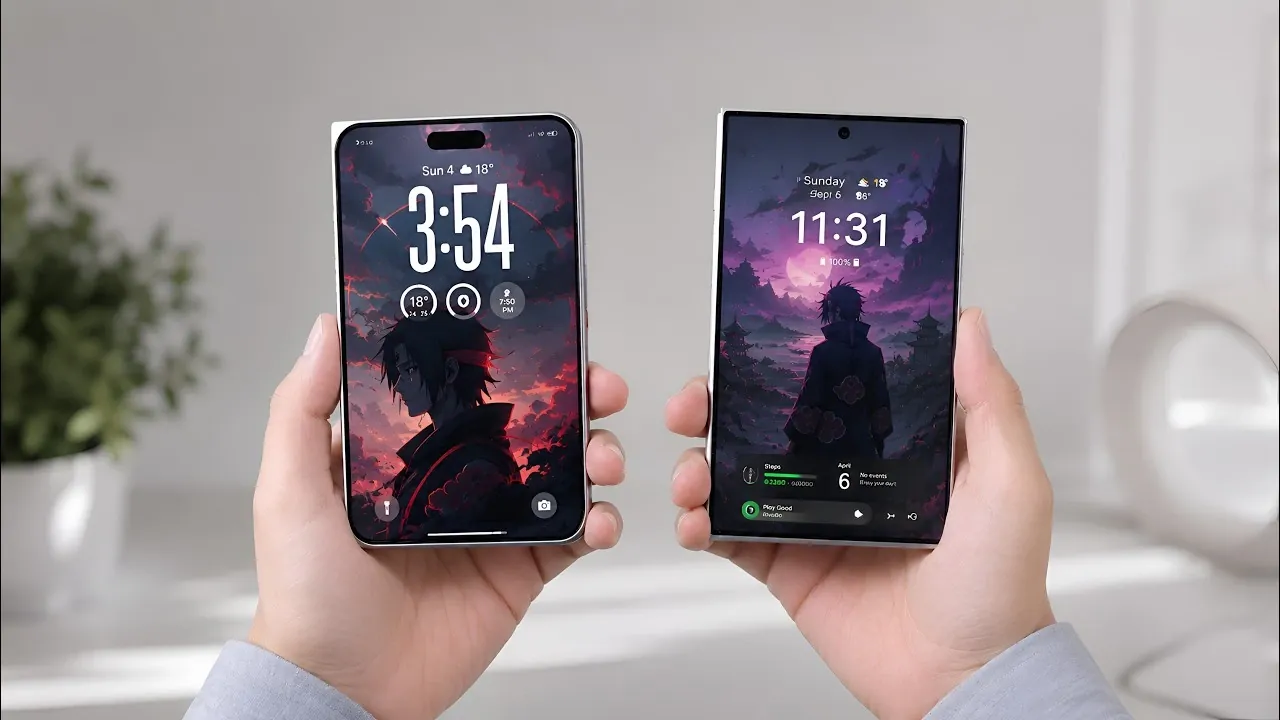
Apple is preparing to launch its first foldable smartphone, the iPhone Fold, entering a market that has been largely defined by Samsung’s Galaxy Z Fold series. With both devices expected to carry a premium $2,000 price tag, this competition signals a significant moment in the evolution of foldable technology. Samsung, with nearly a decade of experience in foldable devices, faces a formidable new competitor in Apple, which aims to use its renowned ecosystem and design expertise to make a bold statement in this category. This article explores the critical aspects of this rivalry, including design, durability, performance and software, to provide a comprehensive comparison.

Design and Build: Premium Materials, Compact Elegance
The iPhone Fold and Galaxy Z Fold 8 both adopt a passport-style foldable design, unfolding into compact tablets that prioritize portability and functionality. Samsung continues its tradition of using Armor Aluminum and Gorilla Glass Victus, making sure a durable yet refined finish that withstands daily wear and tear. Apple, on the other hand, is rumored to combine aluminum and titanium, offering a sleek and robust build that aligns with its premium design philosophy.
These material choices not only enhance the devices’ aesthetics but also contribute to their structural integrity. While Samsung’s design reflects years of refinement, Apple’s focus on precision engineering and minimalist elegance could appeal to users who value a cohesive and polished appearance.
Durability: A Test of Longevity
Durability is a critical factor for foldable smartphones, given their unique form factor and moving parts. The Galaxy Z Fold 8 features an IP48 rating, offering water resistance against splashes and submersion, though its dust resistance remains limited. Apple is expected to match these water resistance standards with the iPhone Fold, making sure protection against accidental exposure to water.
The durability of the hinge mechanism is another key consideration. Samsung has spent years perfecting its hinge technology, making sure smooth operation and long-term reliability. Apple’s approach to hinge engineering will be closely scrutinized, as its ability to withstand repeated folding will play a significant role in the iPhone Fold’s overall durability. Both companies aim to deliver devices that can endure the rigors of daily use without compromising on functionality.
Display Technology: Crease Reduction and Brightness
The display is a defining feature of any foldable smartphone. Samsung’s Galaxy Z Fold 8 features an 8-inch AMOLED display with a 120 Hz refresh rate and an impressive peak brightness of 2,600 nits, making it ideal for outdoor use and vibrant media consumption. The device also incorporates Flex Titanium technology to minimize the crease, a common issue in foldable displays.
Apple’s iPhone Fold is rumored to feature a slightly smaller 7.8-inch OLED display with comparable refresh rates and brightness levels. While details about Apple’s crease-reduction strategy remain unclear, the company is expected to prioritize a seamless viewing experience that aligns with its reputation for high-quality displays. Both devices aim to deliver immersive visuals, but Samsung’s experience in foldable display technology may give it a slight edge in this area.
Performance: Snapdragon vs Apple Silicon
Under the hood, the Galaxy Z Fold 8 is powered by Qualcomm’s Snapdragon 8 Elite Gen 5 chipset, paired with 12 GB of RAM, making sure smooth multitasking, gaming and overall performance. This combination reflects Samsung’s commitment to delivering innovative hardware for demanding users.
The iPhone Fold, meanwhile, is expected to feature Apple’s A20 Pro chipset, also supported by 12 GB of RAM. Apple’s custom silicon is renowned for its efficiency and real-world performance, potentially giving the iPhone Fold an edge in speed, battery optimization and thermal management. While both devices promise top-tier performance, the choice may come down to user preference for Android’s flexibility versus Apple’s tightly integrated ecosystem.
Software: Foldable Experience vs Ecosystem Integration
Samsung’s One UI 9, built on Android 17, offers a mature foldable software experience with advanced multitasking features such as split-screen functionality and app continuity. Years of refinement have allowed Samsung to optimize its software for foldable devices, making sure a smooth and intuitive user experience.
Apple’s iOS 27, on the other hand, is expected to deliver seamless integration with its ecosystem, including features like Handoff, iCloud synchronization, and compatibility with other Apple devices. However, as Apple’s first foldable, it may lack the foldable-specific optimizations that Samsung has perfected over time. The software experience will likely reflect the broader philosophies of each company: Samsung’s focus on versatility and customization versus Apple’s emphasis on simplicity and ecosystem cohesion.
Camera Systems: A Focus on Versatility
Both devices are expected to feature dual rear cameras, including a main and ultrawide lens. While neither is rumored to include a telephoto lens, the larger inner displays on both devices enhance the photography experience by providing a more immersive viewfinder. This could appeal to users who prioritize content creation and media consumption.
However, the absence of advanced zoom capabilities may be a drawback for some users, particularly those who rely on telephoto lenses for detailed shots. Both companies are likely to emphasize software-based enhancements, such as improved computational photography and AI-driven image processing, to compensate for the hardware limitations.
Battery Life and Charging: Powering the Fold
Battery performance is a critical consideration for foldable smartphones, given their larger displays and multitasking capabilities. The Galaxy Z Fold 8 is equipped with a 4,800 mAh battery using silicon-carbon technology, supporting 45W wired charging and fast wireless charging. These features ensure quick top-ups and reliable all-day performance.
The iPhone Fold is expected to house a slightly larger 5,000 mAh battery with MagSafe support and 40W wired charging. While both devices aim to deliver all-day battery life, Samsung’s faster charging speeds may appeal to users who prioritize convenience. Apple’s focus on battery optimization through its custom silicon could also result in longer usage times, even with slightly slower charging speeds.
Market Positioning: Experience vs Ecosystem
Samsung enters this competition with nearly a decade of experience in foldable technology, offering a refined product that benefits from iterative improvements. Its long-standing presence in the market has allowed it to address many of the challenges associated with foldable devices, resulting in a polished and reliable offering.
Apple, as a late entrant, seeks to capitalize on its ecosystem integration and learn from competitors’ past mistakes. The iPhone Fold’s success may hinge on its ability to deliver a cohesive user experience that complements Apple’s existing product lineup. For users already invested in the Apple ecosystem, the iPhone Fold could represent a compelling addition that seamlessly integrates with their other devices.
Both devices promise to push the boundaries of what foldable smartphones can achieve, offering unique strengths that cater to different user preferences. Whether you prioritize Samsung’s proven expertise or Apple’s ecosystem-driven approach, the choice between these two foldables will ultimately depend on your individual needs and priorities.
Deep dive into the latest in Foldable smartphones by exploring our other resources and articles.
- Galaxy Z Fold 8 Wide vs. iPhone Fold Ultra: Rumored Specs Compared
- Samsung Galaxy Z Fold 8 Ultra: The “iPhone Fold Killer” Arriving This Summer
- Samsung’s Foldable Masterpiece: Galaxy Z Fold 8 Ultra Leaks
- How Samsung Accidentally Solved Apple’s Biggest iPhone Ultra Problem
- What the Samsung Galaxy Z Fold 8 Wide Official Colors Look Like
Source & Image Credit: Demon’s Tech
Disclosure: Some of our articles include affiliate links. If you buy something through one of these links, Geeky Gadgets may earn an affiliate commission. Learn about our Disclosure Policy.
