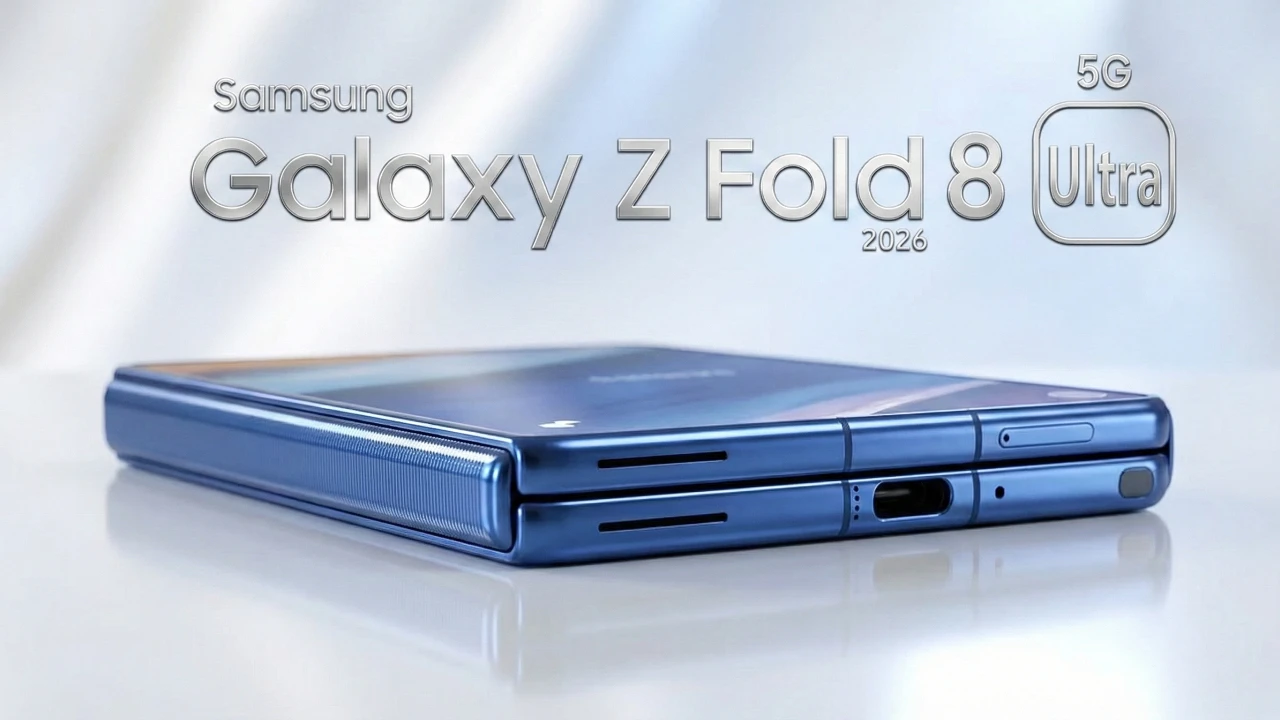
Samsung is preparing to make significant strides in foldable smartphone technology with the highly anticipated Galaxy Z Fold 8. This device could potentially outpace Apple’s much-awaited debut in the foldable market, setting a new benchmark for innovation. A central focus of Samsung’s efforts lies in addressing one of the most persistent challenges in foldable devices: screen crease visibility. By using advanced materials and engineering techniques, Samsung aims to deliver a more durable, flexible, and visually seamless experience. This exploration of the Galaxy Z Fold 8 highlights the technologies driving these advancements and their implications for the future of foldable smartphones.

Advancements in Crease Reduction
The Galaxy Z Fold 8 is expected to introduce new improvements in crease reduction, a feature that has long been a concern for foldable phone users. Samsung is reportedly employing a dual ultra-thin glass (UTG) structure, which sandwiches the OLED panel between two layers of glass. This innovative design enhances durability while significantly reducing crease visibility by evenly distributing the stress caused by folding.
Key technological advancements include:
- A redesigned laminate structure that enhances both flexibility and durability.
- Laser-drilled micro perforations that allow controlled bending, reducing strain on the display during repeated folds.
Preliminary reports suggest these innovations could result in a 20% reduction in crease visibility compared to the Galaxy Z Fold 7. If these claims hold true, the Galaxy Z Fold 8 could set a new standard for foldable displays, offering users a smoother and more aesthetically pleasing experience. This improvement not only enhances the visual appeal but also boosts the overall usability of the device.
Samsung and Apple: Diverging Strategies
As Samsung and Apple prepare to compete in the foldable smartphone market, their approaches to design and functionality reveal distinct priorities. Both companies are expected to use Samsung Display’s near creaseless OLED technology, but their strategies diverge in key areas.
Samsung’s approach emphasizes flexibility and durability, with a focus on managing the stress caused by repeated folding. A critical component of this strategy is the inclusion of a laser-drilled metal support plate, which reinforces the screen without compromising its ability to bend. This design aims to strike a balance between durability and flexibility, appealing to users who prioritize versatility in their devices.
Apple, in contrast, is rumored to prioritize rigidity and structural stability. By incorporating a glass substrate beneath the OLED panel, Apple seeks to create a foldable device that feels solid and premium. This design philosophy may resonate with users who value long-term durability and a more traditional smartphone feel. These differing strategies highlight the contrasting philosophies of the two tech giants and could play a significant role in shaping consumer preferences in the foldable market.
Addressing Challenges in Foldable Technology
Foldable smartphones have historically faced several challenges that have limited their widespread adoption. These include:
- Visible screen creases that detract from the user experience.
- Reduced battery capacity due to the compact design.
- Compromised camera performance compared to traditional smartphones.
Recent advancements, however, are beginning to address these limitations. The Galaxy Z Fold 8 is expected to feature improved battery technology, allowing longer usage times without increasing the device’s thickness. Additionally, advancements in camera design are likely to narrow the performance gap between foldable and traditional smartphones, offering users a more comprehensive experience.
Among these improvements, the reduction in screen crease visibility stands out as a particularly significant development. A smoother, near-seamless display not only enhances the aesthetic appeal of foldable phones but also improves their functionality. This advancement could make foldable devices more competitive with traditional smartphones, potentially driving wider adoption of the technology.
The Future of Foldable Smartphones
The competition between Samsung and Apple in the foldable smartphone market is set to shape the future of mobile technology. Samsung’s focus on flexibility and crease reduction positions the Galaxy Z Fold 8 as a potential leader in the foldable category, especially if it launches ahead of Apple’s offering. Meanwhile, Apple’s emphasis on rigidity and structural stability may attract a different segment of users, carving out a unique niche in the market.
As these two industry leaders push the boundaries of what foldable devices can achieve, their innovations are likely to influence the design and functionality of future smartphones. Whether through enhanced durability, improved displays, or better overall performance, the advancements pioneered by Samsung and Apple promise to redefine consumer expectations. For users, this competition signals a fantastic period in smartphone technology, where flexibility and reliability converge to deliver new devices that cater to diverse needs and preferences.
Uncover more insights about Crease reduction technology in previous articles we have written.
- iPhone Fold: Price, Specs, and Release Date, Apple’s 2026 Vision
- Samsung Galaxy Z Fold 8 Ultra Release Date, Features, and Price
- Samsung Galaxy Z Fold 7: The 6 Biggest Expected Changes
- Samsung Galaxy Z Fold 7 & Z Flip 7: First Look!
- Samsung Galaxy Z Fold 8 Ultra: Features, Specs, and More
Source: Demon’s Tech
Disclosure: Some of our articles include affiliate links. If you buy something through one of these links, Geeky Gadgets may earn an affiliate commission. Learn about our Disclosure Policy.
