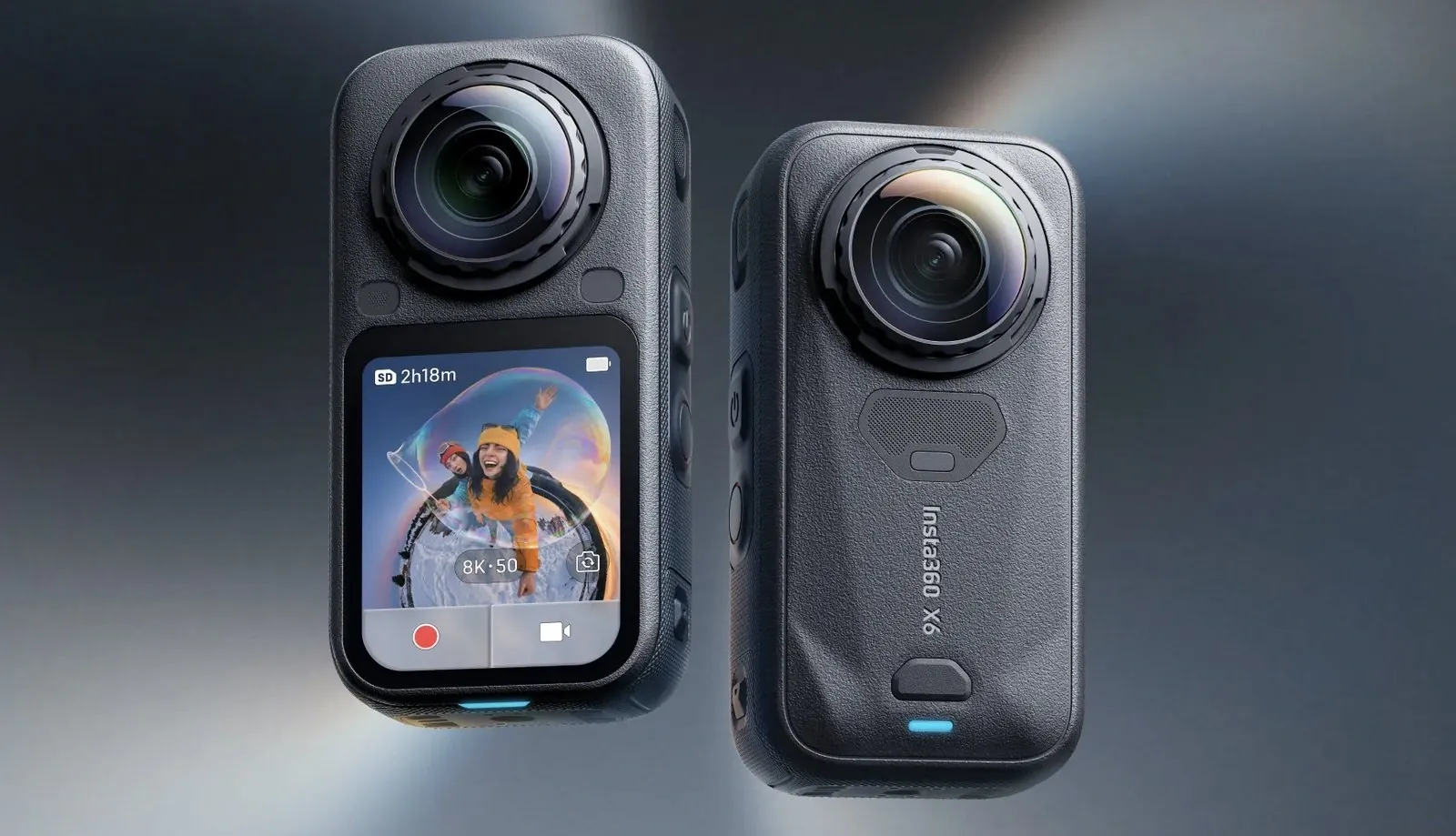
The Insta360 X6 introduces a range of upgrades over its predecessor, the X4, aimed at enhancing usability and performance. Notable changes include a new full-screen touchscreen interface, which replaces physical buttons for a more streamlined experience and a larger lens that improves low-light image quality. Additionally, the X6’s compact design makes it easier to handle and transport, particularly for users who frequently shoot on the go. Kola explores these updates in detail, offering insights into how they impact both casual and professional workflows.
In this breakdown, you’ll gain a clearer understanding of the X6’s low-light performance advantages, its extended battery life for longer shoots and the trade-offs involved in its higher price point. You’ll also learn how the X6 compares to alternatives like the X5, which offers features like interchangeable lenses at a lower cost. Whether you’re considering an upgrade or weighing repair options for your X4, this guide will help you evaluate the best path forward based on your specific needs.
Key Hardware Upgrades
TL;DR Key Takeaways :
- The Insta360 X6 introduces significant design and hardware upgrades, including a full-screen touchscreen interface, compact form factor, enhanced lens for better low-light performance and improved ergonomics.
- Performance improvements in the X6 include superior low-light photography, slightly better daytime image quality and extended battery life, making it ideal for demanding shooting scenarios.
- The X6’s $700 price tag is more than double the cost of the X4, raising questions about whether the enhancements justify the investment for existing X4 users.
- Alternatives like the Insta360 X5, with features like interchangeable lenses and a lower price, or repairing the X4, may be more practical options for budget-conscious users.
- Key factors to consider before upgrading include your specific usage needs, budget constraints and whether the X6’s advanced features align with your priorities and shooting style.
The Insta360 X6 brings several hardware improvements that distinguish it from the X4. These upgrades enhance usability, portability and overall performance, making the X6 a more advanced device. Key changes include:
- Full-Screen Design: The X6 replaces traditional physical buttons with a sleek touchscreen interface. This modern design not only improves usability but also gives the camera a more polished and contemporary look.
- Compact Form Factor: The X6 is shorter and wider than the X4, making it easier to carry and mount. This compact design is particularly beneficial for travelers or those engaging in action-packed activities.
- Enhanced Lens: A larger lens allows the X6 to capture more light and detail, resulting in improved image quality, especially in low-light or challenging conditions.
- Improved Ergonomics: The updated design ensures the X6 is more comfortable to handle during extended use, reducing fatigue and enhancing the overall shooting experience.
While these upgrades make the X6 a more versatile and user-friendly device, they may not be essential for everyone. If your X4 continues to meet your needs, these changes might not justify the cost of upgrading.
Performance: Where the X6 Shines
The X6 offers significant performance improvements over the X4, particularly in areas like low-light photography and battery life. These enhancements cater to users who demand more from their camera in challenging scenarios. Key performance upgrades include:
- Low-Light Capabilities: The X6 excels in dimly lit environments, making it an excellent choice for night photography or indoor shooting. Its ability to capture more detail in low light sets it apart from the X4.
- Daytime Image Quality: While the X6 offers slightly better image quality during the day, the difference may not be noticeable for casual users or those primarily shooting in well-lit conditions.
- Extended Battery Life: The X6’s improved battery performance allows for longer shooting sessions without frequent recharging. This feature is particularly valuable for outdoor enthusiasts or those working on extended projects.
If your photography or videography often involves low-light settings or long shooting sessions, the X6’s performance enhancements could make it a worthwhile investment.

Here is a selection of other guides from our extensive library of content you may find of interest on Insta360 X6.
- Leaked Insta360 X6 Box Confirms 8K 360° Video Recording
- DJI Osmo 360 II Tops Insta360 X6 with 8K 60Fps Video Support
- Insta360 X6 Costs $699, Marking a $150 Jump from the X5
- Leaked Insta360 X6 Retail Box Suggests €689 Starting Price: 8K Resolution Confirmed
- Leaked Insta360 X6 Retail Box Reveals a €689 Starting Price
- Insta360 X6 Pre-Orders Open August 12, 2026 with New Features
- Leaked Insta360 X6 Starts at $700 for Standard Bundle
- Insta360 X6 Records 8K 50 Fps Video, Beating the X5 by 20 Fps
- Leaked Insta360 X6 Specs Include 8K Video at 50 FPS
- Insta360 X6 Reaches 140 Minutes of Continuous 8K Video
Weighing the Costs
The X6 is priced at approximately $700, which is more than double the cost of the X4, currently available for around $300. This substantial price difference makes it essential to carefully evaluate whether the X6’s features justify the investment. Consider the following factors:
- Budget: For many users, the X4 remains a capable and cost-effective option. If your X4 is still functioning well, the incremental improvements of the X6 may not warrant the higher price.
- Resale Value: Selling your X4 to offset the cost of upgrading may not be a viable option, as its resale value is relatively low compared to the X6’s price.
- Alternatives: The Insta360 X5, priced lower than the X6, offers features like interchangeable lenses and enhanced durability. This makes it a compelling option for users seeking flexibility and ruggedness without the premium price tag of the X6.
For budget-conscious users, waiting for discounts or exploring alternatives like the X5 could be a more practical approach.
Alternative Options to Consider
If your X4 is still functional, repairing it might be a cost-effective way to extend its lifespan. Minor repairs or maintenance can save you money while allowing you to continue using a device you’re already familiar with. Alternatively, the Insta360 X5 provides a middle ground between the X4 and X6. Its interchangeable lenses and robust build make it an excellent choice for adventurous users who need a versatile and reliable camera.
For those who prioritize innovative technology but are hesitant about the X6’s price, waiting for future models or price reductions could also be a strategic decision.
Factors to Guide Your Decision
When deciding whether to upgrade to the X6, it’s important to weigh your specific needs and preferences against the costs and benefits. Key factors to consider include:
- Usage Needs: If you prioritize low-light performance, a compact design and advanced features, the X6 is a strong contender.
- Budget: For many X4 users, the incremental improvements of the X6 may not justify its high cost, especially if the X4 continues to perform well for their needs.
- Alternatives: Exploring options like the X5 or repairing your X4 could be more practical, depending on your specific requirements and budget constraints.
Ultimately, the decision to upgrade hinges on whether the X6’s enhancements align with your shooting style, priorities and financial considerations. Carefully assess your needs and explore all available options before making a final decision.
Media Credit: Kola
Disclosure: Some of our articles include affiliate links. If you buy something through one of these links, Geeky Gadgets may earn an affiliate commission. Learn about our Disclosure Policy.
