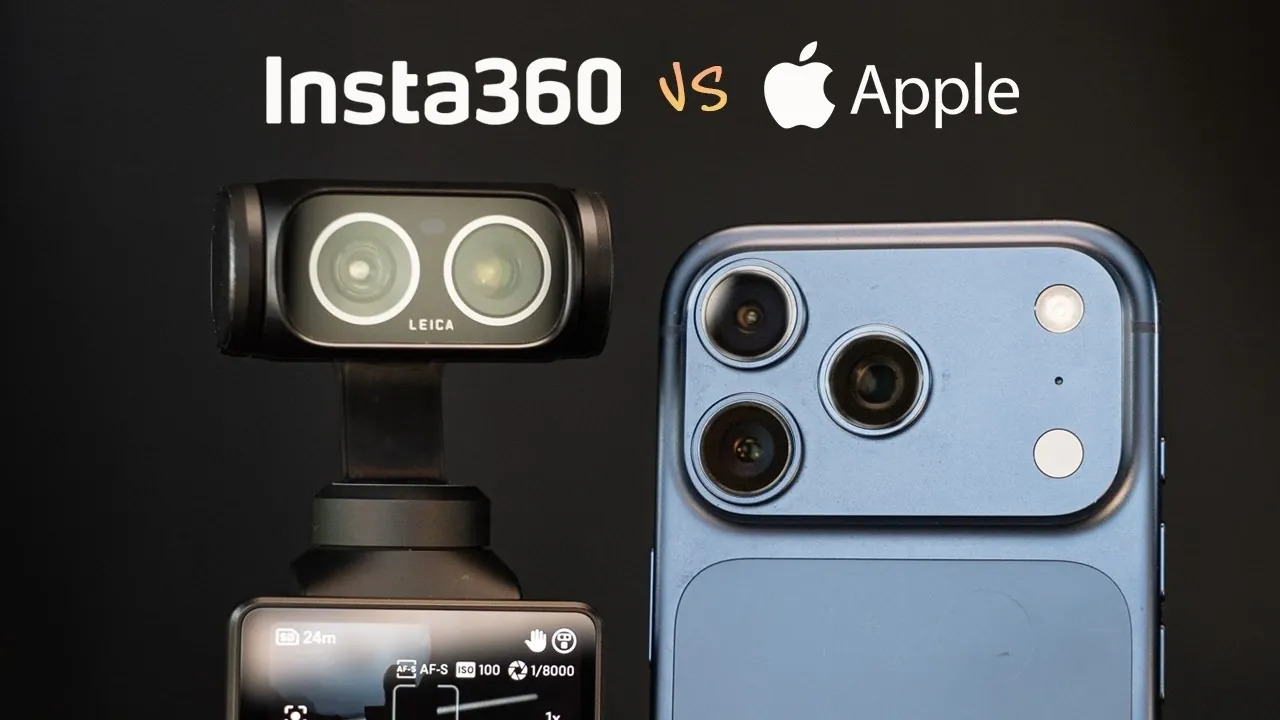
The Insta360 Luna Ultra and iPhone 17 Pro represent two distinct approaches to modern photography and videography. The Luna Ultra, with its 1-inch sensor and mechanical stabilization, is designed for creators seeking cinematic precision and professional-grade visuals. In contrast, the iPhone 17 Pro combines computational photography with a versatile triple-camera system, including a 100mm telephoto lens and Apple Log 2 for advanced post-production workflows. As The Film Alliance explores, these devices cater to different creative priorities, making it essential to understand their unique strengths and limitations.
Dive into this breakdown to uncover how these devices perform across key areas like low-light shooting, stabilization and color science. Learn how the Luna Ultra’s mechanical stabilization supports smoother handheld shots, while the iPhone 17 Pro’s electronic stabilization excels in everyday scenarios. Gain insight into their contrasting approaches to white balance, with the Luna Ultra favoring natural tones and the iPhone leaning into computational accuracy. This guide will help you evaluate which device best aligns with your creative goals and shooting style.
TL;DR Key Takeaways :
- The Insta360 Luna Ultra is a dedicated pocket camera designed for cinematic precision, while the iPhone 17 Pro emphasizes versatility and computational photography for everyday use.
- The Luna Ultra excels in low-light performance, mechanical stabilization and natural color reproduction, making it ideal for professional-grade visuals.
- The iPhone 17 Pro offers advanced computational features like Apple Log 2, Smart HDR and Night Mode, catering to casual users and professionals seeking convenience.
- The Luna Ultra provides smoother zoom transitions and manual controls for cinematic projects, whereas the iPhone 17 Pro delivers consistent exposure in time-lapse and versatile usability.
- Choosing between the two depends on creative priorities: the Luna Ultra is best for cinematic video creation, while the iPhone 17 Pro is a versatile all-in-one solution for diverse photography and videography needs.
Key Camera Specifications
The technical specifications of these devices highlight their differing design priorities:
- Insta360 Luna Ultra: Equipped with a 1-inch sensor, a 20mm equivalent wide-angle lens and a 60mm telephoto lens offering 3x optical zoom. It supports 8K video recording and features mechanical stabilization for smoother, more cinematic footage.
- iPhone 17 Pro: Features a triple-camera system: a 13mm ultrawide lens, a 24mm main lens and a 100mm telephoto lens with 4x optical zoom. It relies on electronic stabilization and introduces Apple Log 2 for professional-grade video workflows.
These specifications reveal that the Luna Ultra is tailored for cinematic precision, while the iPhone 17 Pro emphasizes versatility and computational enhancements.
Image Quality: Cinematic vs Computational
The Luna Ultra excels in delivering cinematic visuals, thanks to its larger sensor, which captures more detail and performs well in challenging lighting conditions. Its images exhibit realistic contrast, excellent shadow retention and a natural aesthetic that appeals to professionals seeking high-quality results.
On the other hand, the iPhone 17 Pro uses computational photography to enhance dynamic range and mid-tones. This approach produces smoother transitions and vibrant colors, but the results can sometimes appear overly processed, giving the images a distinctly digital feel. While this may appeal to casual users, professionals might find the output less authentic compared to the Luna Ultra.

Explore further guides and articles from our vast library that you may find relevant to your interests in Insta360 Luna Ultra.
- Osmo Pocket 4P Beats Insta360 Luna Ultra in Stability Tests
- Insta360 Luna Ultra Adds Leica Optics but Faces Overheating Issues
- DJI Osmo Pocket 4P vs Insta360 Luna Ultra : Key Differences Explained
- DJI Pocket 4 vs Insta360 Luna Ultra : 3 Week Review Reveals a Clear Winner
- Hidden Limitations of the Insta360 Luna Ultra Every Creator Should Know
- Insta360 Luna Ultra vs DJI Pocket 3: Which Pocket Camera Wins?
- Insta360 Luna Ultra: Brings 8K Video to a Compact Gimbal
- Insta360 Luna Ultra Pocket Camera Faces Fierce New Rival Amid DJI Lawsuits
- How the Insta360 Luna Ultra Replaces Heavy Vlogging Gear
- Osmo Pocket 4P vs Insta360 Luna Ultra vs GoPro Mission 1 Pro
Low-Light Performance
Low-light scenarios further emphasize the differences between these devices:
- Luna Ultra: Performs exceptionally well in dim environments, maintaining realistic colors and contrast. Its mechanical stabilization ensures sharper footage, even in challenging lighting conditions.
- iPhone 17 Pro: Excels at lifting shadows and enhancing mid-tones in low light, but it struggles to retain highlight details in extreme conditions. The results are often brighter but may lack the depth and realism offered by the Luna Ultra.
For those prioritizing low-light performance, the Luna Ultra’s larger sensor and mechanical stabilization provide a clear advantage.
Stabilization: Mechanical vs Electronic
Stabilization is a critical factor in achieving smooth, professional-looking video:
- Luna Ultra: Utilizes mechanical stabilization, which is particularly effective for cinematic handheld shots and low-light environments. This method minimizes motion blur and delivers a more natural look.
- iPhone 17 Pro: Relies on electronic stabilization, which performs well in well-lit conditions but may introduce artifacts or jitter in darker settings. While effective for casual use, it lacks the precision of mechanical stabilization.
The choice between these stabilization methods depends on your shooting style and the environments in which you typically work.
Color Science and White Balance
The approach to color reproduction and white balance varies significantly between the two devices:
- Luna Ultra: Leans toward warmer tones, producing natural and visually pleasing colors. Its white balance remains consistent across a variety of lighting conditions, making it a reliable choice for professionals.
- iPhone 17 Pro: Favors cooler tones, which can sometimes appear less natural. However, its computational adjustments generally ensure accurate results, particularly in mixed lighting scenarios.
For those who value natural color reproduction, the Luna Ultra offers a more consistent and professional-grade output.
Zoom and Time-Lapse Performance
Zoom and time-lapse capabilities are essential for creative flexibility:
- Luna Ultra: Provides smoother zoom transitions, making it ideal for cinematic shots. However, it may encounter exposure jumps during time-lapse photography, which can disrupt the final output.
- iPhone 17 Pro: Delivers consistent exposure in time-lapse mode, but its sharpness diminishes at higher zoom levels, limiting its effectiveness for detailed shots.
While both devices offer unique strengths, the Luna Ultra’s cinematic zoom capabilities make it a better choice for professional projects.
Usability: Dedicated vs Versatile
The usability of these devices depends on your creative priorities and workflow:
- Luna Ultra: Designed for dedicated video projects, it offers manual controls and uninterrupted shooting capabilities. Its compact form factor and professional-grade features make it a reliable tool for filmmakers and content creators.
- iPhone 17 Pro: Excels in versatility, catering to casual users and professionals alike. Features like Smart HDR and Night Mode enhance its usability for everyday photography and videography, making it a convenient all-in-one device.
If you prioritize specialized tools for cinematic production, the Luna Ultra is the better choice. For those seeking versatility and convenience, the iPhone 17 Pro stands out.
Log Shooting and Post-Production
For professionals focused on post-production workflows, log shooting capabilities are a critical consideration:
- Luna Ultra: Offers I Log, which provides decent flexibility for color grading. While effective, it is less robust compared to the advanced features of Apple Log 2.
- iPhone 17 Pro: Introduces Apple Log 2, which generates larger files with more dynamic range, offering greater flexibility for advanced color grading and post-production work.
For post-production-heavy projects, the iPhone 17 Pro’s Apple Log 2 offers a significant advantage.
Choosing the Right Tool
Both the Insta360 Luna Ultra and the iPhone 17 Pro are exceptional devices, but they cater to different audiences and creative goals.
The Luna Ultra is ideal for professionals who prioritize cinematic video creation, offering a larger sensor, mechanical stabilization and manual controls for precise results. It is a dedicated tool for those who value quality over convenience.
In contrast, the iPhone 17 Pro shines as a versatile and user-friendly device, combining advanced computational photography with features like Smart HDR and Night Mode. It is perfect for casual users and professionals seeking a convenient, all-in-one solution.
Ultimately, your choice should align with your specific needs, whether it’s producing cinematic visuals or capturing everyday moments with ease.
Media Credit: The Film Alliance
Disclosure: Some of our articles include affiliate links. If you buy something through one of these links, Geeky Gadgets may earn an affiliate commission. Learn about our Disclosure Policy.
