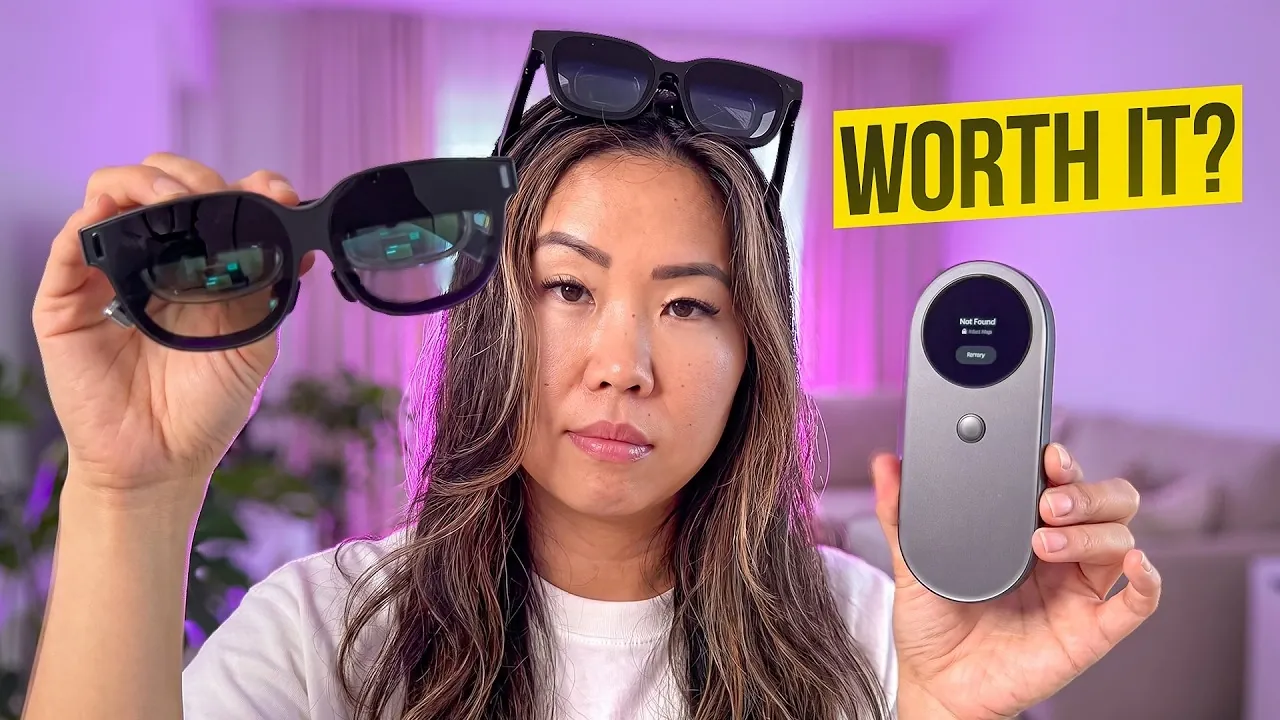
The INAIR Pod is a compact device that enhances XR glasses by allowing features like virtual displays for multitasking and media streaming. It is compatible with third-party glasses such as the XREAL and Vure Beast, offering portability for casual productivity and entertainment. However, as noted by Cas and Chary XR, the device operates on an Android-based INAIR OS with 3 degrees of freedom (3DoF), which limits its functionality for advanced AR/VR use cases. Occasional software instability further underscores its focus on simpler applications rather than high-performance scenarios.
Discover how the INAIR Pod stacks up against alternatives like the XREAL Aura in areas such as performance, compatibility and user experience. Gain insight into its hardware specifications, including the Snapdragon 8-core chip and 5,000mAh battery, as well as its pricing options, which range from the standalone device to a bundled Go Pack. This explainer will help you evaluate whether the INAIR Pod meets your spatial computing needs or if another device might be a better match.
Spatial Computing INAIR Pod
TL;DR Key Takeaways :
- The INAIR Pod transforms XR glasses into a portable “spatial computer,” offering virtual displays for productivity and entertainment in a compact, lightweight design.
- Key features include compatibility with third-party XR glasses, a Snapdragon 8-core chip, 8GB RAM, 128GB storage and an Android-based INAIR OS with Google Play Store access.
- Strengths include portability, third-party compatibility, innovative features like 2D-to-3D content conversion and regular software updates for improved performance.
- Limitations include subpar image quality in bundled glasses, software bugs, limited AR/VR capabilities (3DoF), and performance issues like heating, fan noise and short battery life.
- Priced at $440 for the standalone device, the INAIR Pod is ideal for users prioritizing portability and compatibility, but less suitable for those seeking advanced AR/VR features or premium glasses.
The INAIR Pod enhances the functionality of XR glasses by serving as a spatial computing hub, delivering a range of features that cater to both work and entertainment needs. Its standout features include:
- Virtual displays for applications such as Netflix, YouTube and web browsers, creating a multi-screen environment for enhanced productivity and entertainment.
- Compatibility with a variety of XR glasses, including third-party options like the Vure Beast and XREAL glasses, making sure flexibility for users.
- Powered by a Snapdragon 8-core chip, 8GB of RAM, 128GB of storage and a 5,000mAh battery, providing moderate performance for everyday tasks.
- Runs on INAIR OS, an Android-based operating system with access to Google Play Store apps, offering a wide range of software options.
These features make the INAIR Pod a versatile tool for users looking to enhance their XR glasses without being tied to proprietary ecosystems. Its Android-based OS ensures access to a broad selection of applications, catering to diverse user preferences.
Strengths of the INAIR Pod
The INAIR Pod provides several advantages for users seeking a portable and flexible spatial computing solution. These strengths include:
- Third-party compatibility, allowing users to pair the device with a wide range of XR glasses rather than being restricted to proprietary hardware.
- A compact and lightweight design, which is further enhanced by the inclusion of a foldable keyboard and touchpad for added convenience.
- Innovative features such as 2D-to-3D content conversion and seamless laptop screen streaming, which expand its usability for both work and entertainment.
- Regular software updates, which improve performance and ensure compatibility with new XR glasses as they enter the market.
These strengths make the INAIR Pod particularly appealing to users who prioritize portability and compatibility over high-end AR/VR capabilities, offering a practical solution for on-the-go computing.

Deep dive into the latest in spatial computing by exploring our other resources and articles.
- 12 Apple Watch Features You Are Probably Ignoring Right Now
- iOS 27 Leaks Reveal the End of an Era: Apple’s New Priorities Confirmed
- Why Apple’s iPhone Ultra Fold Changes Everything We Know About Smartphones
- The End of the Annual Launch? Why Apple Is Splitting the iPhone 18 Release for the First Time Ever
- Secret iPhone Features You Probably Aren’t Using
- How the INAIR Elite Suite Transforms VITURE Beast Glasses Into a Spatial Computer
- XREAL Aura : Inside the $1,500 Spatial Computing Smart Glasses
- XREAL Aura Hybrid AR and VR Glasses: Hands on Guide
Limitations to Consider
Despite its benefits, the INAIR Pod has several limitations that may impact user experience. These include:
- The included INAIR 2 Pro glasses, part of the Go Pack, suffer from subpar image quality and lack adjustable interpupillary distance (IPD), which can affect comfort and usability for extended periods.
- INAIR OS occasionally experiences bugs and lacks advanced features such as hand tracking, which are increasingly standard in modern XR devices.
- The device is limited to 3 degrees of freedom (3DoF), restricting its AR/VR capabilities compared to 6DoF devices like the XREAL Aura, which offer more immersive experiences.
- Performance issues such as device heating, noticeable fan noise and a limited battery life of approximately four hours can hinder prolonged use, particularly for demanding tasks.
These drawbacks highlight the trade-offs users may face, especially if they prioritize advanced AR/VR features or require higher-quality glasses for their spatial computing needs.
Pricing Options
The INAIR Pod is available at different price points, depending on the configuration and accessories included:
- INAIR Pod standalone: $440, offering the core device for users who already own compatible XR glasses.
- INAIR 2 Go Pack: $1,159, which includes the INAIR 2 Pro glasses and additional accessories for a complete setup.
- INAIR 2 Pro glasses alone: $469, for users who wish to purchase the glasses separately.
While the standalone device is competitively priced, the higher cost of the Go Pack may deter users who expect premium-quality glasses or more advanced features for the price.
How It Compares to the XREAL Aura
The INAIR Pod and XREAL Aura cater to different user needs within the spatial computing market, each offering distinct advantages. The XREAL Aura focuses on delivering immersive AR/VR experiences, featuring:
- 6 degrees of freedom (6DoF), allowing advanced AR/VR interactions for a more immersive experience.
- Newer hardware specifications, which provide enhanced performance and usability for demanding applications.
In contrast, the INAIR Pod prioritizes portability and compatibility, making it a better fit for users who value a lightweight and flexible spatial computing solution over a fully immersive AR/VR device. This distinction allows the INAIR Pod to carve out a niche for users seeking practicality and mobility.
Who Should Consider the INAIR Pod?
The INAIR Pod is an ideal choice for users who already own XR glasses and are looking for a portable device to enhance their productivity and entertainment experiences. Its compact design and compatibility with third-party glasses make it an attractive option for those who value flexibility and convenience. However, it may not meet the needs of users who prioritize advanced AR/VR features, high-quality proprietary glasses, or extended battery life for prolonged use.
For individuals seeking a lightweight and versatile spatial computing solution, the INAIR Pod offers a practical alternative to traditional laptops. However, those looking for a more immersive or high-performance AR/VR experience may find devices like the XREAL Aura better suited to their needs.
Media Credit: Cas and Chary XR
Disclosure: Some of our articles include affiliate links. If you buy something through one of these links, Geeky Gadgets may earn an affiliate commission. Learn about our Disclosure Policy.
