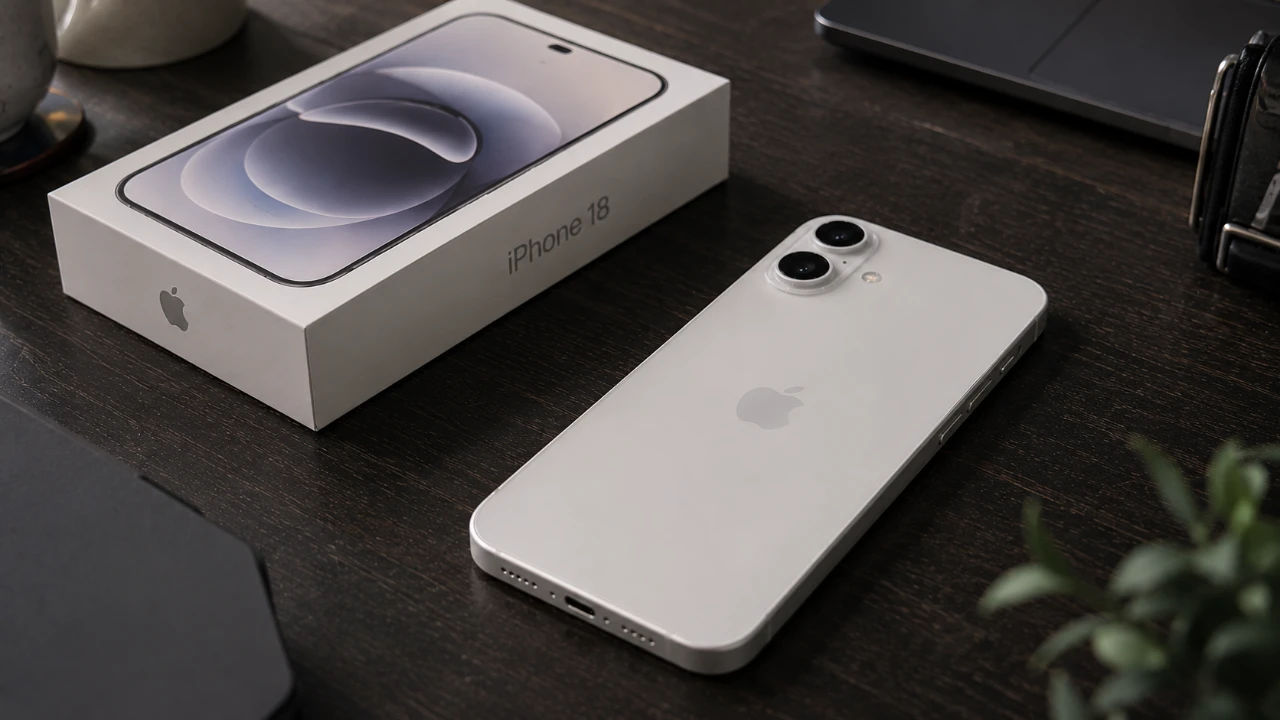
Apple’s decision to delay the release of the base iPhone 18 is a calculated move rooted in strategic planning rather than external pressures. This deliberate approach underscores the company’s focus on extending the market lifespan of the iPhone 17, optimizing production efficiency, and maintaining a competitive edge in key markets such as China. By carefully balancing innovation with financial sustainability, Apple aims to strengthen its position in a highly competitive industry. The video below from SaranByte gives us more details about the launch of the iPhone 18.

The Strategic Purpose Behind the Delay
The delay of the iPhone 18 is part of a broader strategy designed to achieve multiple objectives:
- Maximizing Revenue: Extending the iPhone 17’s sales cycle allows Apple to capitalize on its established market presence during critical shopping periods, such as China’s Double 11 sales. This ensures the company extracts maximum value from an already successful product.
- Reducing Production Pressure: By postponing the iPhone 18, Apple gains additional time to stabilize manufacturing processes, which can lead to lower production costs and fewer disruptions in the supply chain.
- Strengthening Market Position: In price-sensitive regions, particularly against Android competitors, the extended availability of the iPhone 17 provides consumers with a high-quality option at a competitive price point.
This approach reflects Apple’s ability to adapt to shifting market dynamics while maintaining profitability and consumer trust.
iPhone 17: A Strong Contender in the Market
The iPhone 17 remains a competitive choice in the fast-paced smartphone industry, thanks to its robust features and thoughtful upgrades. These enhancements ensure its relevance and appeal to a broad range of consumers. Notable features include:
- 120 Hz Refresh Rate: This upgrade delivers smoother visuals, enhancing the overall user experience for gaming, streaming and everyday use.
- Expanded Storage Options: With more storage configurations, the iPhone 17 caters to diverse user needs, from casual users to professionals.
- Improved Camera Capabilities: Enhanced photography and video performance make the device a strong contender for content creators and photography enthusiasts.
These features not only bridge the gap until the iPhone 18’s release but also solidify the iPhone 17’s position as a reliable and desirable option for consumers.
What to Expect from the iPhone 18
When the iPhone 18 eventually launches, it is expected to feature a more incremental set of upgrades compared to its predecessor. This aligns with Apple’s strategy of streamlining production and controlling costs while still delivering a high-quality product. Anticipated changes include:
- Shared Components: The iPhone 18 is likely to share components with the iPhone 18e, simplifying manufacturing processes and reducing production expenses.
- Minor Adjustments: Potential downgrades, such as slightly reduced chipset performance, may be introduced. However, these changes are unlikely to significantly impact the overall user experience.
By focusing on efficiency and incremental improvements, Apple can maintain its profit margins while meeting consumer expectations for quality and performance.
Efficiency in Manufacturing
Apple’s emphasis on manufacturing efficiency is a cornerstone of its operational strategy. The company is addressing challenges such as fluctuating tariffs and global component shortages through several key measures:
- Component Reuse: Reusing parts across different product lines helps streamline production and reduce costs.
- Optimized Supply Chains: Apple continues to refine its supply chain processes to improve resilience and minimize disruptions.
- Stabilized Production: By focusing on consistent manufacturing practices, Apple ensures high-quality output while reducing inefficiencies.
These efforts not only enhance Apple’s operational efficiency but also allow the company to remain agile in responding to market demands and challenges.
The Split Launch Strategy
Apple’s decision to stagger the release of the iPhone 18 series is a carefully planned tactic aimed at maximizing market impact. Under this strategy:
- Pro Models First: The Pro models are expected to launch in late 2026, followed by the base models in spring 2027. This phased approach allows Apple to focus media attention on the Pro models, boosting their visibility and appeal.
- Clear Differentiation: By separating the launches, Apple reduces direct competition between product tiers, making it easier for consumers to distinguish between standard and Pro offerings.
- Extended Market Presence: The staggered schedule ensures that Apple maintains a consistent presence in the market, keeping consumer interest high over an extended period.
This approach not only enhances the visibility of each product tier but also supports Apple’s broader goal of maximizing sales and consumer engagement.
Long-Term Implications for Apple’s Strategy
The delay of the iPhone 18 may signal a shift in Apple’s long-term product strategy, with a greater emphasis on efficiency and sustainability. Key trends that could emerge include:
- Prioritizing Profit Margins: Apple may focus on incremental upgrades for standard models, reserving innovative innovations for Pro models.
- Longer Product Lifecycles: With fewer dramatic changes between successive models, consumers may be encouraged to use their devices for longer periods, reducing the frequency of upgrades.
By aligning its strategy with evolving consumer preferences and market conditions, Apple aims to maintain its leadership position while delivering value and quality.
What This Means for Consumers
The delayed release of the iPhone 18 could offer several benefits to consumers, reflecting Apple’s commitment to balancing innovation with practicality:
- Cost Savings: Longer device lifecycles mean users may feel less compelled to upgrade frequently, reducing overall expenses.
- Sustainability: Extended usage of devices contributes to a lower environmental footprint, aligning with growing consumer interest in eco-friendly practices.
- Consistent Quality: Apple’s focus on thoughtful compromises ensures that the user experience remains seamless and reliable, even with incremental upgrades.
This strategy not only addresses consumer priorities but also reinforces Apple’s reputation for delivering products that combine quality, value and sustainability.
Source: SaranByte
Disclosure: Some of our articles include affiliate links. If you buy something through one of these links, Geeky Gadgets may earn an affiliate commission. Learn about our Disclosure Policy.
