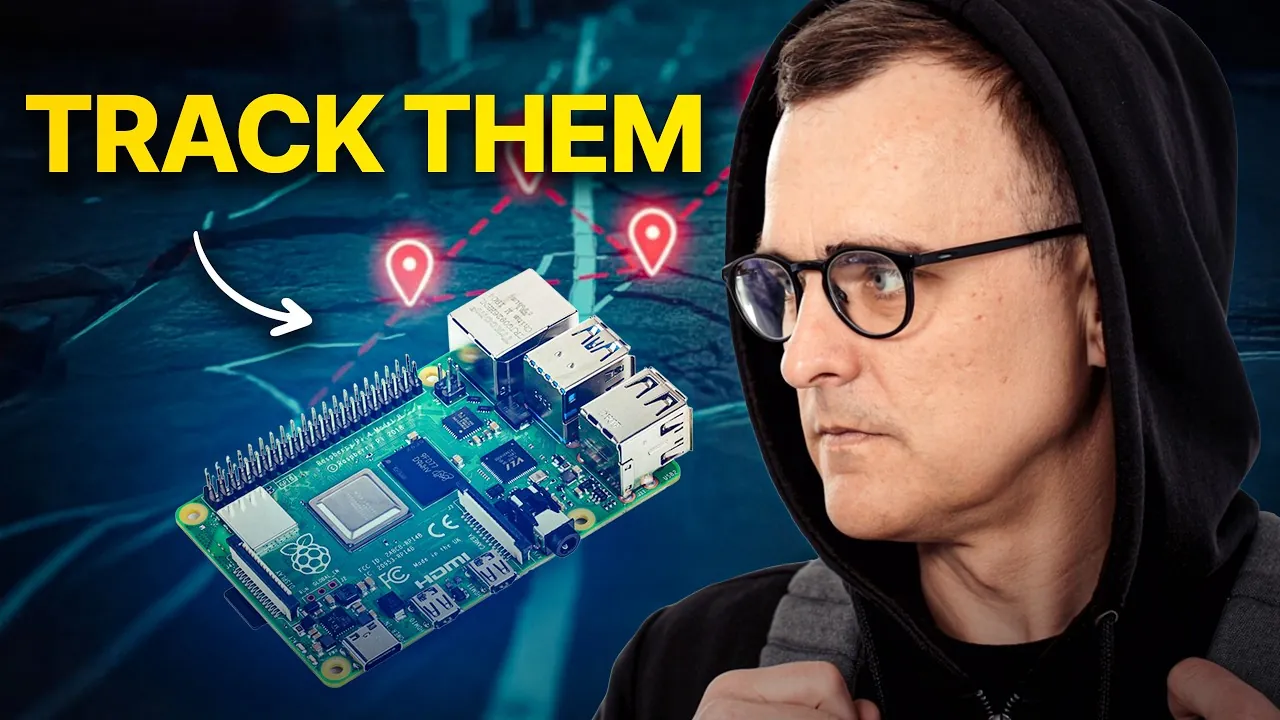
Imagine walking through a crowded city street, your phone buzzing with notifications, unaware that hidden among the sea of signals is a device quietly tracking your every move. Or perhaps you’re at home, feeling secure, while a nearby Bluetooth beacon is logging your location. It sounds like something out of a spy thriller, but the truth is far more unsettling: the tools to track you are more accessible than ever, and you might not even know it’s happening. In a world where privacy feels increasingly elusive, understanding how to detect and counter these invisible threats isn’t just a skill, it’s a necessity.
In this walkthrough, David Bombal introduces a powerful yet approachable system designed to help you uncover the signals tracking you, whether they come from Wi-Fi networks, Bluetooth devices, or even drones. You’ll learn how to use open source software and affordable hardware like Raspberry Pi to turn the tables on potential trackers—all while gaining insights into how modern privacy features, like randomized MAC addresses, complicate detection. Whether you’re looking to protect your personal safety, secure sensitive environments, or simply reclaim your digital privacy, this guide will equip you with the tools and knowledge to see the unseen. Because in a world of constant connectivity, knowing who’s watching isn’t just empowering, it’s essential.
Detecting Tracking Threats
TL;DR Key Takeaways :
- The system detects and analyzes signals from nearby devices (e.g., Wi-Fi, Bluetooth) to identify potential tracking threats, using GPS mapping to log and visualize activity over time.
- It addresses modern privacy features like randomized MAC addresses by analyzing alternative data points, making sure effectiveness against evolving technologies.
- Built on affordable, accessible technology (e.g., Raspberry Pi, Kismet, Python scripts), the tool is modular, customizable, and open source, encouraging community collaboration and innovation.
- Real-world applications include personal safety, search and rescue, force protection, and drone detection, making it valuable for individuals, emergency responders, and organizations.
- Challenges like adapting to randomized MAC addresses and diverse environments are mitigated through ongoing development and user feedback, making sure the tool remains effective and relevant.
The system functions by detecting and analyzing signals emitted by nearby devices, such as Wi-Fi SSIDs, MAC addresses, and Bluetooth signals. By identifying patterns in these emissions, it can determine whether tracking activity might be occurring. A key feature of the system is its integration with GPS mapping, which logs the locations of detected signals. This allows users to visualize tracking activity over time or across different areas, providing a comprehensive view of potential threats.
One of the system’s standout capabilities is its ability to address modern privacy features, such as randomized MAC addresses. While these features are designed to obscure traditional identifiers, the tool compensates by analyzing other data points, such as network names and signal strength, to detect suspicious activity. This approach ensures that the system remains effective even as privacy technologies evolve.
Technology Behind the Tool
The system is built on a foundation of accessible and affordable technology, making it both practical and scalable. Its core components include:
- Raspberry Pi: A compact and cost-effective computing platform that serves as the backbone of the system.
- Kismet: Open source software that enables wireless network monitoring and signal analysis.
- Python Scripts: Custom scripts process the collected data, generate detailed reports, and allow for modular updates to meet evolving needs.
- Additional Hardware: Bluetooth GPS modules and wireless adapters enhance the system’s functionality, making it adaptable to various scenarios.
The modular design of the software ensures flexibility, allowing users to customize and expand the tool’s capabilities. Developers and technology enthusiasts can contribute to its ongoing improvement, making sure that it remains relevant as new challenges and technologies emerge.
Turn the Tables on Trackers: Protect Your Privacy Now

Learn more about building Raspberry Pi projects by reading previous articles we have written.
- Get Started with Eye Tracking on iPhone and iPad
- iFixit Tears Down FBI GPS Tracking Device
- Apple Watch Ultra 2 officially launches from $799
- Powerful Samsung App Update for Galaxy Phones
- Garmin Index Sleep Monitor: A Deep Dive into Its Sleep Tracking Tech
- Apple AirTags 2 Release: Features, Upgrades, and More
- Apple Ring Rumors: How It Could Redefine Wearable Technology
- Improve iPhone Privacy: System Services You Might Want to Disable
- Is This the Apple Ring? New Leak Points to New Device
- Maximize Find My Features for iPhone, iPad, and AirTags
Real-World Applications
The system’s adaptability makes it valuable across a wide range of scenarios, addressing both individual and organizational needs. Key applications include:
- Personal Safety and Privacy: Detect and avoid tracking devices to protect your personal security and maintain privacy.
- Search and Rescue: Locate devices in disaster zones or remote areas to assist in finding missing persons or assets.
- Force Protection: Monitor surroundings for potential threats, such as unauthorized surveillance devices or drones, to enhance operational security.
- Drone Detection: Identify signals emitted by drones to safeguard sensitive environments from unauthorized aerial surveillance.
These use cases highlight the system’s versatility, making it a valuable tool for individuals, emergency responders, and professional teams operating in high-stakes environments.
Key Features and Enhancements
Designed with both usability and functionality in mind, the tool offers features that cater to a diverse audience, from technical experts to everyday users:
- User-Friendly Interface: The system’s intuitive interface ensures that even users with limited technical expertise can operate it effectively.
- Detailed Reporting: Generate actionable insights, including visual maps of tracking patterns, to help identify and mitigate risks.
- Open source Accessibility: The software is freely available on GitHub, allowing users to deploy it on various Raspberry Pi models with affordable hardware components.
These features make the tool accessible to a broad audience while maintaining the flexibility needed for advanced applications. Its open source nature encourages collaboration and innovation, making sure that the system continues to evolve alongside technological advancements.
Challenges and Limitations
While the system offers robust capabilities, it is not without challenges. As technology evolves, the tool must adapt to remain effective. Key challenges include:
- Randomized MAC Addresses: Modern privacy features require advanced analysis to identify patterns that might indicate tracking activity.
- Diverse Environments: The system must perform reliably in a variety of conditions, from crowded urban areas to remote and challenging locations.
Ongoing development and community feedback are critical to overcoming these challenges. By incorporating user suggestions and staying ahead of technological trends, the system continues to improve and adapt to new threats and use cases.
Community and Adoption
The tool has gained significant recognition among individuals, organizations, and cybersecurity professionals. Its adoption by government agencies, private sector teams, and everyday users underscores its versatility and effectiveness. For example, it has been used in force protection scenarios, cybersecurity operations, and personal safety applications. Its presentation at Black Hat Arsenal, a premier cybersecurity event, further highlights its value to the broader tech community.
User feedback has been overwhelmingly positive, particularly in high-stakes scenarios where the tool has proven its reliability and effectiveness. The open source model fosters collaboration and innovation, making sure that the system remains a innovative solution for detecting and mitigating tracking threats.
Empowering Privacy and Security
This system exemplifies how accessible technology can empower individuals and organizations to safeguard their privacy and security in an increasingly connected world. By combining Wi-Fi and Bluetooth detection, GPS mapping, and open source software, it offers a comprehensive solution for identifying and addressing tracking threats. Whether you are protecting your personal safety, aiding in search and rescue efforts, or enhancing force protection, this tool demonstrates the power of technology to improve situational awareness and security in a practical and impactful way.
Media Credit: David Bombal
Disclosure: Some of our articles include affiliate links. If you buy something through one of these links, Geeky Gadgets may earn an affiliate commission. Learn about our Disclosure Policy.
