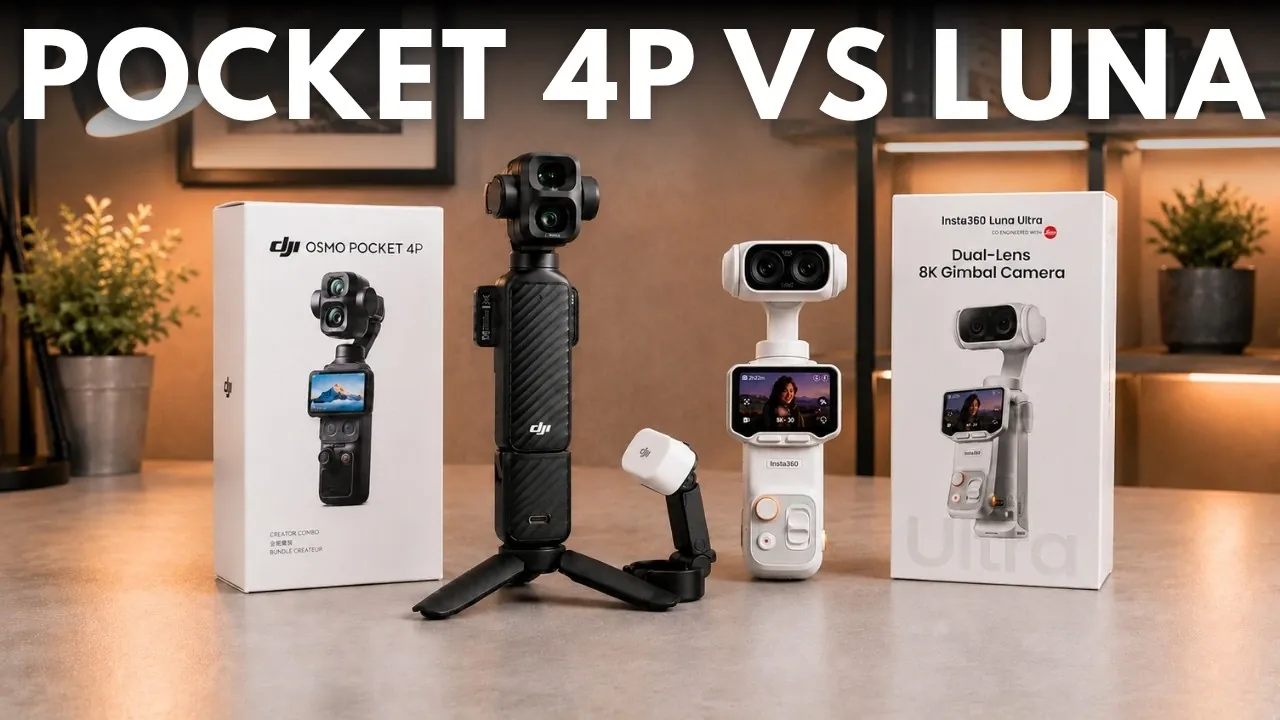
The competition between DJI and Insta360 has moved beyond technical specifications, focusing instead on usability and workflow integration. According to Tech Court, this shift reflects the priorities of creators who value features like portability and workflow efficiency over marginal gains in resolution or sensor size. For instance, DJI’s Osmo Pocket 4P incorporates the DLOG 2 workflow for professional-grade filmmaking, while Insta360’s Luna Ultra offers modular components tailored to solo creators. These differing approaches highlight how camera brands are adapting to meet the diverse needs of modern users.
Discover how DJI emphasizes cinematic precision through advanced workflows and how Insta360 targets creators seeking adaptable, user-friendly designs. Gain insight into the specific features that define these strategies and how they align with broader trends in the camera industry. This feature will also explore the practical implications of these approaches for filmmakers and content creators navigating today’s creative landscape.
The New Priorities of Modern Creators
TL;DR Key Takeaways :
- The competition between DJI and Insta360 has shifted from technical specifications to prioritizing usability, workflow efficiency and adaptability for modern creators.
- DJI’s Osmo Pocket 4P targets professional filmmakers with features like DLOG 2 workflow, advanced tonal depth and cinematic-quality visuals in a portable form.
- Insta360’s Luna Ultra emphasizes adaptability and simplicity, offering modular components and streamlined workflows for solo creators prioritizing speed and convenience.
- The camera market now caters to diverse creator needs, focusing on tools that integrate seamlessly into workflows and prioritize ergonomics, portability and user experience over raw technical performance.
- Choosing the right camera depends on individual priorities, with DJI appealing to high-end production needs and Insta360 catering to creators seeking practicality and flexibility.
For creators like you, the decision-making process when choosing a camera has expanded significantly. While technical specifications such as resolution and sensor performance remain important, they are no longer the sole criteria. Instead, the focus has shifted to how well a camera integrates into your creative workflow. Usability, portability, and flexibility are now critical factors. This change acknowledges that creators value tools that simplify their processes, save time and enhance the overall creative experience. Cameras are no longer just tools for capturing high-quality visuals; they are now essential components of a seamless and efficient workflow.
DJI’s Vision: Professional Cinematic Excellence
DJI has positioned its Osmo Pocket 4P as a premium device tailored for professional filmmakers and commercial creators. With features like the DLOG 2 workflow, advanced tonal depth and a high-resolution sensor, the Osmo Pocket 4P is designed to deliver cinematic-quality results in a compact and portable form. If your goal is to achieve professional-grade visuals without compromising on portability, DJI’s approach may resonate with you. The company’s strategy is clear: to provide tools that meet the rigorous demands of high-end production while remaining accessible and user-friendly. This focus on professional cinematic tools highlights DJI’s commitment to elevating pocket cameras into the realm of serious filmmaking.

Learn more about DJI Osmo Pocket 4P with other articles and guides we have written below.
- DJI Osmo Pocket 4P Global Launch is Finally Here
- Why DJI Kept the Osmo Pocket 4P Specs a Secret at Cannes
- What the Latest DJI Osmo Pocket 4P Leaks Actually Mean
- DJI’s Osmo Pocket 4 Pro Faces a Hidden Threat from Insta360
- Why the DJI Osmo Pocket 4P is Launching Under a Completely Different Name in the U.S.
- Everything We Know About the DJI Pocket 4 Pro Sensor Upgrade
- DJI Pocket 4 Pro is a Much Bigger Upgrade Than Expected
- DJI Osmo Pocket 4 vs Insta 360 Luna Ultra : Everything You Need to Know
- DJI Pocket 4 Pro Leaks with a 6K Dual-Camera, but US Buyers Might Miss Out
- DJI Pocket 4 vs Insta360 Luna : the Pocket Gimbal War Just Got Real
Insta360’s Vision: Adaptability and Simplicity
Insta360, on the other hand, has taken a different approach with its Luna Ultra, emphasizing adaptability and ease of use. This camera is designed for solo creators who prioritize speed and simplicity in their workflows. Features like detachable controllers and modular components are aimed at streamlining the content creation process, whether you’re capturing footage on the move or setting up for a more complex shoot. Insta360’s strategy focuses on empowering creators who value practicality over cinematic precision. By offering tools that adapt to your unique workflow, Insta360 is catering to a growing audience of creators who prioritize convenience and flexibility.
Contrasting Philosophies: A Diverse Market
The strategies of DJI and Insta360 highlight two distinct philosophies in the camera industry. DJI is focused on transforming pocket cameras into professional filmmaking tools, targeting creators who demand cinematic excellence and advanced features. Insta360, in contrast, is optimizing its cameras for creators who value intuitive design and workflow efficiency. These divergent approaches reflect the diverse needs of today’s creators, from professional filmmakers to solo content creators seeking simplicity and speed. This diversity underscores the importance of understanding your own priorities as a creator when choosing the right tools for your work.
What Modern Creators Truly Value
As a creator, your priorities are likely evolving alongside the tools available to you. Many of you now place greater emphasis on workflow efficiency, ergonomics, and portability than on raw technical performance. Cameras are increasingly judged by how seamlessly they integrate into your creative process and how enjoyable they are to use. Whether you’re a vlogger, filmmaker, or social media content creator, the tools you choose must align with your specific needs and preferences. This shift in priorities is reshaping the camera market, driving manufacturers to innovate beyond traditional metrics like resolution and sensor size.
Implications for the Camera Industry
The evolution of creator priorities has significant implications for the camera industry. Manufacturers are no longer catering exclusively to traditional filmmakers but are now addressing the needs of a diverse range of creators with varying workflows and goals. Success in this new landscape depends on delivering cameras that offer a seamless user experience rather than simply boasting superior technical specifications. Intuitive, portable and adaptable tools are becoming the new standard for creators who value practicality and ease of use. This shift is pushing the industry to innovate in ways that prioritize the overall creative experience.
Choosing the Right Tool for Your Workflow
Both DJI and Insta360 are pursuing strategies that cater to different creator mindsets. DJI’s focus on cinematic tools and professional-grade features will appeal to those of you seeking high-end production capabilities. Meanwhile, Insta360’s emphasis on usability and flexibility will attract creators who prioritize speed and convenience. Ultimately, the best camera for your needs may not be the one with the most impressive specs but the one that fits seamlessly into your creative workflow. As the industry continues to evolve, the true measure of a camera’s success will be its ability to meet the diverse and ever-changing needs of modern creators.
Media Credit: Tech Court
Disclosure: Some of our articles include affiliate links. If you buy something through one of these links, Geeky Gadgets may earn an affiliate commission. Learn about our Disclosure Policy.
