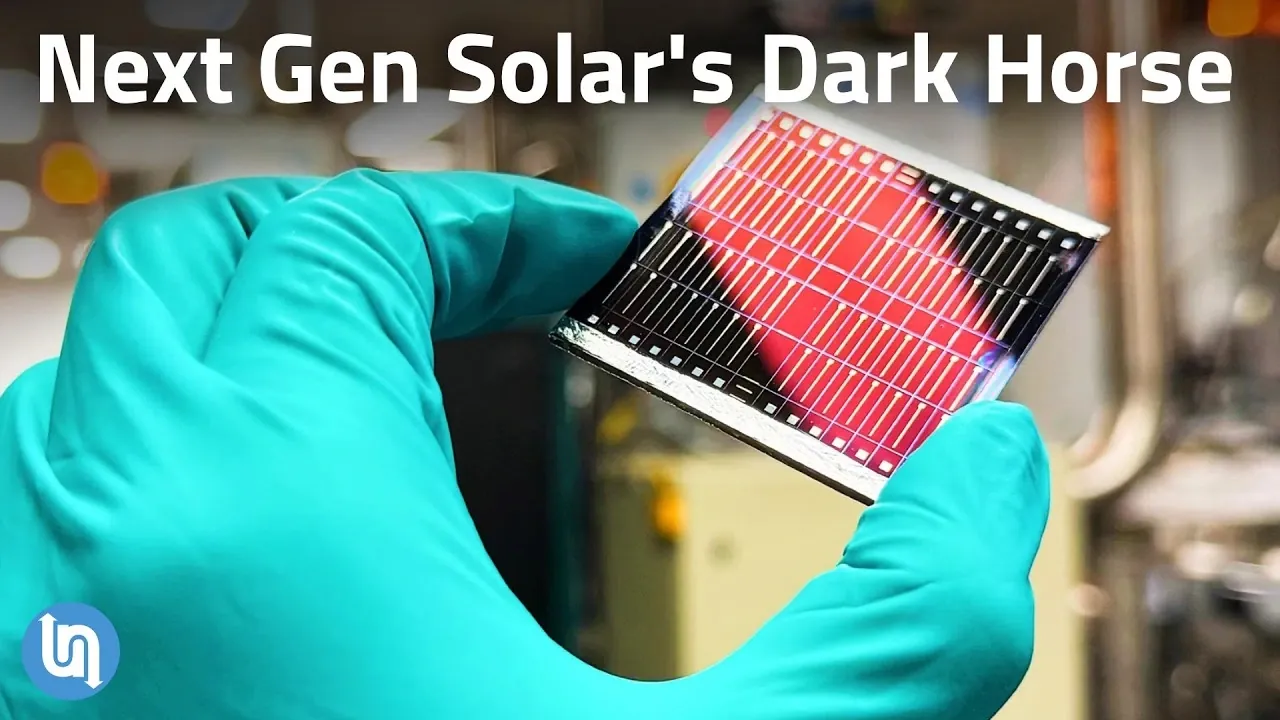
What if the future of solar energy didn’t rely on silicon or even the much-hyped perovskite? What if there was a more sustainable, durable, and cost-effective alternative waiting in the wings? Undecided with Matt Ferrell breaks down how a lesser-known material called kesterite could transform solar technology by addressing some of the biggest challenges facing renewable energy today. Unlike silicon, which demands energy-intensive manufacturing, or perovskite, which struggles with stability and toxicity, kesterite offers a greener, more scalable solution. Composed of abundant, non-toxic elements like copper, zinc, tin, and sulfur, it’s a material that could redefine the way we think about solar power.
In this feature, we’ll explore why kesterite is being hailed as a fantastic option in the solar industry. From its impressive theoretical efficiency to its remarkable durability under harsh conditions, kesterite has the potential to overcome the limitations of existing technologies. You’ll discover how innovations like defect healing and selective alloying are pushing this material closer to commercial viability, and why its environmental and economic benefits make it such a compelling alternative. Could this unassuming material be the key to a more sustainable energy future? The possibilities are as exciting as they are fantastic.
Kesterite: Solar Energy Breakthrough
TL;DR Key Takeaways :
- Kesterite, composed of copper, zinc, tin, and sulfur or selenium, is a sustainable and environmentally friendly alternative to silicon and perovskite-based solar technologies.
- Its key advantages include the use of abundant, non-toxic materials, cost-effective production, and superior durability compared to perovskite solar cells.
- Kesterite has a theoretical efficiency limit of 33.56%, with researchers aiming to achieve 20% efficiency within the next five years to make it commercially competitive.
- Innovations like defect healing and selective alloying are addressing efficiency barriers and improving material performance for large-scale adoption.
- Its scalability, reduced environmental impact, and long-term stability position kesterite as a promising solution for advancing renewable energy technologies globally.
What Makes Kesterite Stand Out?
Kesterite’s unique properties stem from its material composition, efficiency potential, and durability. These attributes collectively make it a standout option in the solar energy landscape:
- Sustainable Composition: Kesterite is made from widely available and environmentally friendly materials, avoiding the use of toxic or rare elements that complicate production and disposal.
- Efficiency Potential: With a theoretical efficiency comparable to leading solar technologies, kesterite has the potential to close the gap with silicon and perovskite through ongoing advancements.
- Durability: Kesterite demonstrates superior stability compared to perovskite, making it a reliable choice for long-term solar installations.
These features highlight kesterite’s potential to address key limitations in existing solar technologies while offering a more sustainable and scalable solution.
Material Composition: A Greener Alternative
The foundation of kesterite lies in its composition of copper, zinc, tin, and sulfur or selenium. This combination sets it apart from other solar materials by prioritizing sustainability and environmental responsibility. Unlike perovskite, which often contains toxic lead, or silicon, which requires energy-intensive manufacturing, kesterite offers several advantages:
- Abundant Elements: Copper, zinc, and tin are widely available, reducing the risks associated with supply chain disruptions and resource scarcity.
- Non-Toxic Materials: Kesterite avoids harmful substances like cadmium and lead, making sure minimal environmental and health impacts during production and disposal.
- Cost-Effective Production: The absence of expensive components, such as silver, significantly lowers manufacturing costs, making it a more affordable option for large-scale deployment.
This environmentally friendly and cost-efficient material composition makes kesterite a compelling alternative for advancing solar energy technologies.
Why This Solar Breakthrough Matters More Than Perovskite

Learn more about energy technology by reading our previous articles, guides and features :
- Dyson Energy Concept
- Onshore Wave Energy: A Sustainable Solution to Harness Ocean
- How Regenerative Tech is Reducing Energy Waste and Costs
- UniWave 200 creates energy from wave swell
- What Is Fusion Energy? The Future of Clean Power Explained
- Solar Energy S 40,000 mAh retractable solar panel and power bank
- Bloom Box Clean Energy Fuel Cell
- Magnic Bike Lights Create Energy Using Magnet Powered Dynamos
- amphiro b1 Energy Tracker And Smart Meters For The Shower (video)
- Samsung SmartThings Energy launched in the UK
Efficiency Potential: Bridging the Gap
Efficiency remains a critical factor in the adoption of solar technologies, and kesterite shows significant promise in this area. Its theoretical efficiency limit for single-layer solar cells is 33.56%, comparable to leading technologies like silicon. While current laboratory efficiency for kesterite stands at 14.3%, researchers are optimistic about achieving 20% efficiency within the next five years. Reaching this milestone would make kesterite commercially competitive and further accelerate its adoption.
Key innovations driving improvements in kesterite’s efficiency include:
- Defect Healing: Advanced techniques using hydrogen and oxygen are being developed to repair crystal imperfections, which currently hinder performance.
- Selective Alloying: Adding small amounts of elements like silver enhances the material’s properties without compromising its environmental benefits.
These advancements are helping kesterite overcome efficiency barriers, bringing it closer to becoming a viable alternative to existing solar technologies.
Durability and Stability: A Long-Term Advantage
One of kesterite’s most notable strengths is its durability. Unlike perovskite, which is prone to degradation under exposure to UV light, heat, and moisture, kesterite maintains its structural integrity and efficiency over time. This resilience offers several practical benefits:
- Longer Lifespan: Kesterite’s resistance to environmental stressors ensures consistent performance over extended periods, even in harsh climates.
- Lower Lifecycle Costs: Its durability reduces the need for frequent replacements, lowering the overall cost of solar installations.
This stability makes kesterite a reliable choice for long-term solar energy solutions, particularly in regions with extreme weather conditions or high levels of sunlight exposure.
Environmental and Economic Benefits
Beyond its technical advantages, kesterite offers significant environmental and economic benefits. Its production processes and material availability contribute to its appeal as a sustainable and cost-effective solar technology:
- Scalable Manufacturing: Techniques such as “doctor blading” enable cost-effective, large-scale production, making kesterite accessible for widespread use.
- Reduced Costs: The reliance on inexpensive and abundant materials, coupled with energy-efficient manufacturing methods, lowers production expenses.
- Minimal Environmental Impact: The use of non-toxic materials and sustainable production processes reduces ecological harm, aligning with global efforts to combat climate change.
These factors position kesterite as a practical and environmentally responsible solution for meeting the growing demand for renewable energy.
Challenges and Innovations
Despite its potential, kesterite faces several challenges that researchers are actively working to address. Current limitations include:
- Efficiency Barriers: Issues such as recombination and crystal defects reduce the material’s performance, limiting its current efficiency levels.
- Material Quality: Achieving uniformity and consistency in production remains a significant hurdle for large-scale manufacturing.
Innovative approaches are being developed to overcome these obstacles, including:
- Defect Healing: Advanced methods to repair crystal imperfections are improving efficiency and reliability.
- Selective Alloying: Carefully introducing additional elements enhances material properties while maintaining environmental benefits.
These ongoing advancements are paving the way for more efficient, reliable, and scalable kesterite solar cells, bringing the technology closer to widespread adoption.
The Road Ahead
Kesterite remains in its developmental stages, but its future is filled with potential. Researchers are focused on achieving 20% efficiency within the next five years, a milestone that could make kesterite a commercially viable competitor in the solar energy market. Its combination of sustainability, durability, and efficiency positions it as a strong contender for addressing global energy challenges.
As research and innovation continue, kesterite has the potential to reshape the solar energy landscape. By addressing critical challenges in efficiency, scalability, and environmental impact, it offers a promising pathway to more accessible and sustainable renewable energy solutions. While hurdles remain, the advantages of kesterite make it a material worth watching in the evolving field of solar technology.
Media Credit: Undecided with Matt Ferrell
Disclosure: Some of our articles include affiliate links. If you buy something through one of these links, Geeky Gadgets may earn an affiliate commission. Learn about our Disclosure Policy.
