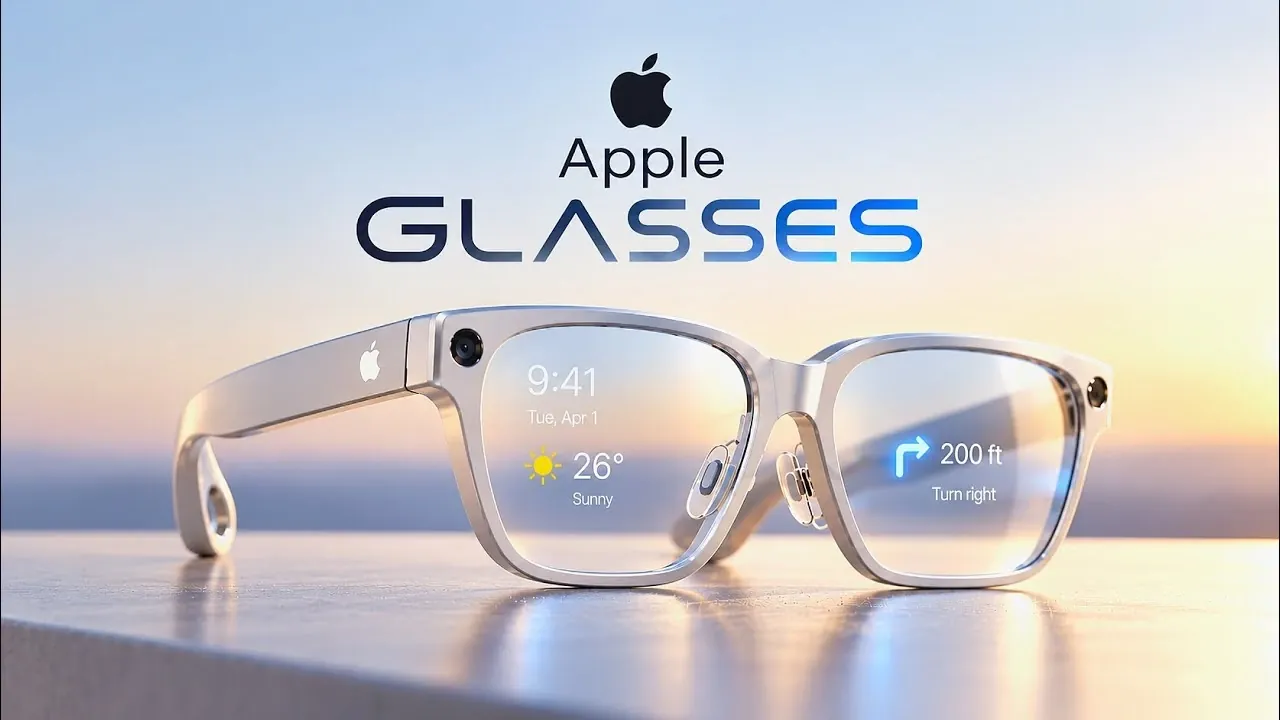
Apple appears ready to reshape the landscape of wearable technology with its rumored smart glasses, as detailed in a recently granted patent. The patent highlights new features such as automatic prescription lens detection, light reflection analysis, and adaptive visual content, all designed to enhance practicality and accessibility. These innovations aim to address the needs of individuals who rely on corrective eyewear, potentially setting a new standard in the smart glasses market. If realized, this technology could bridge the gap between advanced functionality and everyday usability, making smart glasses a more viable option for a wider audience. The video below from Tech Town gives us more details.

Automatic Prescription Detection: A Technological Milestone
Central to Apple’s patent is a sophisticated system that uses light reflection analysis to detect and adapt to the unique characteristics of prescription lenses. This technology identifies critical details such as lens strength, position and orientation, allowing the glasses to automatically adjust to your specific prescription. Unlike traditional solutions that require manual input or custom modifications, this feature simplifies the process, offering a seamless and user-friendly experience.
Moreover, the glasses could dynamically optimize visual content based on your prescription. For instance, if your lenses require adjustments for clarity or focus, the display output could adapt in real time to ensure optimal viewing. This innovation not only enhances usability but also removes common barriers for prescription wearers, making smart glasses a more practical and inclusive option for everyday use.
Addressing Challenges for Prescription Wearers
One of the most significant obstacles in the adoption of smart glasses has been their limited compatibility with prescription eyewear. Apple’s approach directly tackles this issue by developing a system that can adapt to a wide range of vision needs. Whether you use bifocals, progressive lenses, or lenses with specialized coatings, the glasses could automatically adjust to your requirements, eliminating the need for separate corrective lenses.
This inclusivity extends beyond lens compatibility to the overall user interface, which is expected to prioritize accessibility. By addressing diverse vision needs, Apple is creating a product that integrates effortlessly into your daily routine. For prescription wearers, this could mean a hassle-free experience that combines advanced technology with personalized functionality, making smart glasses a more attractive option for a broader audience.
Expanding the Appeal of Wearable Technology
The integration of features like automatic prescription detection and adaptive visual output could significantly broaden the appeal of smart glasses. By addressing the unique needs of prescription wearers, Apple is tapping into a market segment that has traditionally been underserved in the wearable tech space. This focus on inclusivity and practicality could make smart glasses a more compelling choice for a wider range of users.
Additionally, these advancements align with the increasing demand for wearable devices that balance convenience, functionality, and style. If Apple can incorporate these features into a lightweight and aesthetically pleasing design, the glasses could set a new benchmark for extended reality wearables. For users, this means access to a product that not only meets their vision needs but also enhances their overall experience with innovative technology.
Apple’s Broader Vision for Smart Glasses
Apple’s rumored smart glasses reflect the company’s commitment to innovation in extended reality. By combining design, functionality, and accessibility, Apple is positioning its glasses as a versatile tool for a diverse range of users. The inclusion of features like automatic prescription detection and light reflection analysis underscores the company’s dedication to creating technology that is both practical and inclusive.
This approach aligns with Apple’s history of designing products that appeal to a wide audience. Whether you’re a tech enthusiast, a professional seeking productivity tools, or someone looking for enhanced visual experiences, these glasses could offer a tailored solution. The emphasis on a lightweight design further suggests that Apple is prioritizing comfort, making sure the glasses are suitable for extended use without compromising on style or functionality.
By addressing the needs of prescription wearers and focusing on usability, Apple is paving the way for broader adoption of smart glasses. If these innovations come to fruition, they could represent a pivotal moment in the integration of technology into everyday life, offering a seamless blend of functionality, accessibility, and innovative design.
Here are more detailed guides and articles that you may find helpful on Apple Glasses.
- Leaked: Apple Glasses Reportedly Target a WWDC 2027 Launch
- Leaked Details Suggest Apple Glasses Are Finally Happening
- Apple Glasses May Finally Arrive with an Unexpected Approach
- The Rumored Apple Smart Glasses Project Has a Big Problem
- Apple Glasses Leaked: Everything We Know About Apple’s Next Big Leap
- Apple Glasses Leaked: the Real Rival to Meta Ray-Bans
Source & Image Credit: Tech Town
Disclosure: Some of our articles include affiliate links. If you buy something through one of these links, Geeky Gadgets may earn an affiliate commission. Learn about our Disclosure Policy.
