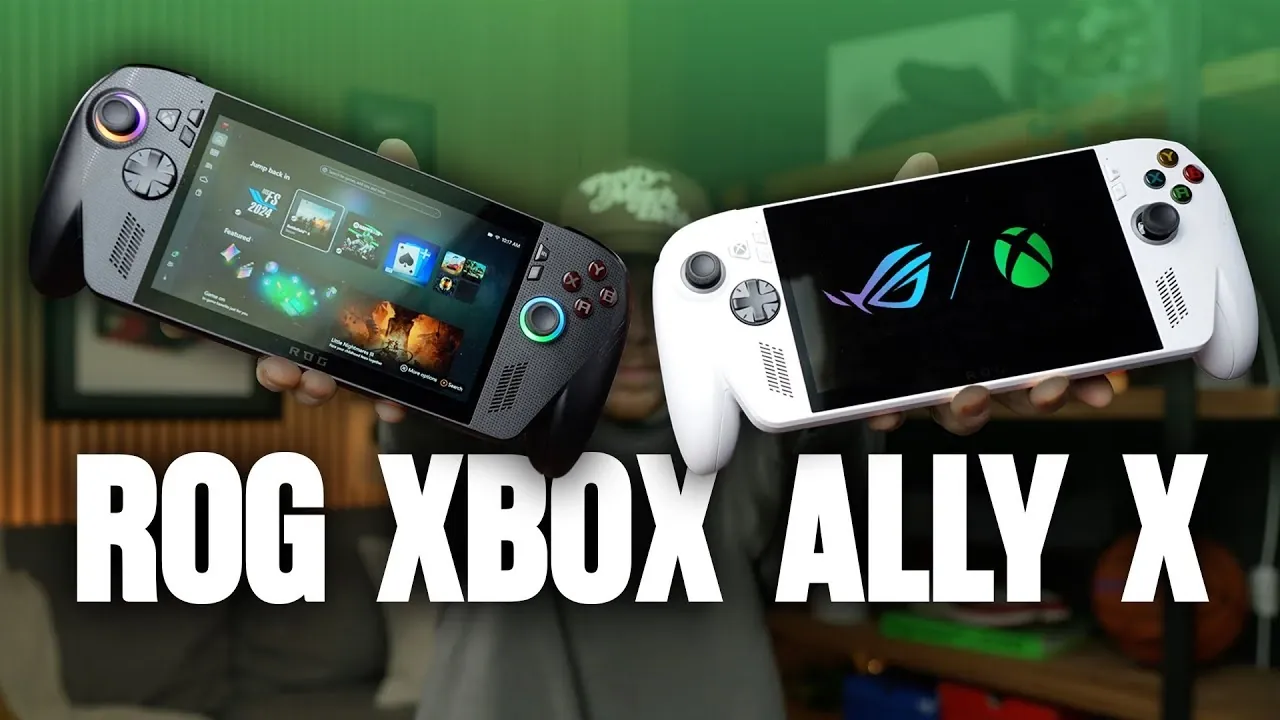
Would you spend $600 on a gaming device, or would you double that for a premium experience? The Xbox ROG Ally X and ROG Xbox Ally are shaking up the portable gaming landscape, but their differences go beyond just price tags. These two devices, both promising seamless Xbox integration and Windows-based gaming, cater to very different audiences. Whether you’re a casual gamer looking for affordability or a performance enthusiast chasing innovative specs, the choice between these two models isn’t as straightforward as it seems. With contrasting hardware, features, and even design philosophies, each device offers a unique take on what portable gaming should be.
In this in-depth comparison Tech Fowler breaks down the key distinctions between the Xbox ROG Ally X and the ROG Xbox Ally, from their processors and storage capacities to their ergonomics and gaming performance. You’ll discover how the Ally X’s premium features like haptic feedback and extended battery life stack up against the standard Ally’s budget-friendly appeal. Whether you’re debating the value of extra RAM or wondering how these devices compare to competitors like the Steam Deck, this guide will help you navigate the decision. By the end, you’ll have a clearer picture of which device fits your gaming style and priorities. After all, the right choice isn’t just about specs, it’s about finding the perfect balance between performance, portability, and price.
Xbox ROG Ally Console Comparison
TL;DR Key Takeaways :
- The Xbox ROG Ally ($600) and ROG Ally X ($1,000) are portable Windows-based gaming devices with seamless Xbox integration, differing in hardware, features, and price.
- The ROG Ally X offers superior performance with an AMD Ryzen Z2 Extreme processor, 24GB RAM, and 1TB storage, while the standard Ally features an AMD Ryzen Z2A processor, 16GB RAM, and 512GB storage.
- Both devices feature a 7-inch 1080p display with a 120Hz refresh rate and FreeSync support, but the Ally X has improved ergonomics and tactile button resistance for enhanced comfort and responsiveness.
- Battery life varies, with the Ally X providing 2-3 hours of gaming on an 80Wh battery, compared to 1.5-2 hours on the Ally’s 60Wh battery; both support fast charging.
- Both models support Xbox integration, storage expansion, and advanced features like haptic feedback (Ally X), but require regular Windows updates and driver management, which may be a consideration for some users.
Device Overview: Features and Specifications
The Xbox ROG Ally is the more affordable option, priced at $600, making it accessible to a broader audience. It features an AMD Ryzen Z2A processor, 16GB of RAM, and 512GB of internal storage. These specifications are sufficient for casual gamers or those who prioritize affordability without sacrificing too much performance.
In contrast, the ROG Ally X is a premium model priced at $1,000, offering a more powerful AMD Ryzen Z2 Extreme processor, 24GB of RAM, and 1TB of storage. These enhancements cater to gamers who demand higher performance for multitasking and running graphically intensive games. The additional RAM and storage capacity also provide a smoother experience for users with extensive game libraries or those who frequently install new titles.
Design and Build Quality
Both devices feature a 7-inch 1080p display with a 120Hz refresh rate and FreeSync support, making sure smooth and vibrant visuals. The screens deliver 500 nits of brightness, making them suitable for various lighting conditions, whether indoors or outdoors. However, the Ally X is slightly heavier, which contributes to its improved ergonomics. This design choice enhances comfort during extended gaming sessions, a feature particularly appealing to dedicated gamers.
In terms of aesthetics, the standard Ally sports a white design, while the Ally X comes in black with subtle branding differences. The button placement also varies slightly, with the Ally X offering more tactile resistance in its button presses. This detail may appeal to gamers who prefer a more responsive and satisfying feel during gameplay.
Xbox ROG Ally X vs ROG Xbox Ally : What are the Differences?

Take a look at other insightful guides from our broad collection that might capture your interest in handheld consoles.
- Abxylute 3D One Handheld Games Console : No Glasses Required
- AOKZOE A1 Ryzen 7 6800U PC handheld console
- GameShell DIY Handheld Games Console, Modular And Open
- Abxylute handheld streaming games console
- ROG Ally handheld console translucent case hits Indiegogo
- AMD Ryzen Z2 Extreme: Powering the Next Handheld Gaming
- Framework news and modular handheld games console
- Gamebuino Arduino Handheld Games Console (video)
- AYANEO FLIP 1S DS : Dual-Screen Handheld Games Console
- AYANEO Pocket EVO 7 OLED Android handheld games console
Performance and Gaming Experience
Performance is where the two devices diverge most significantly. The Ally X, powered by the AMD Ryzen Z2 Extreme processor, excels at running demanding games like Battlefield or Cyberpunk 2077 on high or ultra settings with minimal stuttering. This makes it an excellent choice for gamers who prioritize top-tier performance and graphical fidelity.
The standard Ally, while capable, delivers performance closer to the Steam Deck, making it better suited for medium to high settings in most games. It provides a solid gaming experience for casual players but may struggle with the most demanding titles at maximum settings.
Both devices run on Windows, granting access to a wide range of game launchers, including Steam, Xbox Game Pass, and EA Play. This versatility ensures compatibility with an extensive library of games. However, it also requires regular updates and driver management to maintain optimal performance, which may be a consideration for users unfamiliar with Windows-based systems.
Battery Life and Charging
Battery life is another area where the two devices differ. The Ally X features an 80Wh battery, providing approximately 2-3 hours of gaming, depending on usage and settings. This makes it a better option for longer gaming sessions without frequent recharging.
The standard Ally, with its smaller 60Wh battery, offers slightly shorter playtime, typically around 1.5-2 hours under similar conditions. Both devices support fast charging, allowing you to quickly recharge and get back to gaming. However, if extended playtime is a priority, the Ally X’s larger battery capacity may be worth the investment.
Additional Features and Usability
Both models integrate the Xbox interface, offering a console-like experience. This integration simplifies navigation and enhances usability for gamers already familiar with Xbox systems. However, as Windows-based devices, they require regular updates and driver installations, which can be time-consuming for some users.
The Ally X includes advanced features like haptic feedback triggers, which enhance immersion by providing tactile responses during gameplay. The standard Ally uses Hall effect triggers, which are less advanced but still functional and reliable.
Storage expansion is supported on both devices via microSD cards or SSD upgrades, offering flexibility for gamers with large libraries. This feature is particularly useful for those who frequently install new titles or prefer to keep multiple games readily available.
How They Compare to Competitors
When compared to other handheld gaming devices, the ROG Ally series strikes a balance between power and portability. Here’s how they stack up against notable competitors:
- Steam Deck: Less powerful than the Ally X but benefits from a Linux-based operating system that requires less maintenance. It’s a solid choice for gamers who prioritize simplicity over raw performance.
- Lenovo Legion Go: Offers similar performance but has a heavier and less ergonomic design, which may impact comfort during extended use.
- MSI Claw 8i Plus: Matches the Ally series in size but falls short in terms of comfort and grip, making it less appealing for long gaming sessions.
These comparisons highlight the ROG Ally series’ strengths in performance, usability, and design, though they also underscore the trade-offs involved when choosing between different devices.
Considerations and Limitations
Despite their strengths, both the Xbox ROG Ally and Ally X have limitations. Frequent updates and driver installations can be cumbersome, particularly for users unfamiliar with Windows-based systems. Additionally, the standard Ally’s 512GB storage may not suffice for larger game libraries, necessitating immediate upgrades for some users.
The slight differences in button placement between the two models may also require some adjustment, especially for gamers accustomed to previous ROG designs. These factors, while not deal-breakers, are worth considering when deciding which device best suits your needs.
Choosing the Right Device
The Xbox ROG Ally and ROG Ally X cater to different types of gamers. The standard Ally is an excellent choice for casual gamers who value portability and affordability while still enjoying access to a wide range of games. On the other hand, the Ally X is ideal for enthusiasts seeking top-tier performance, advanced features, and enhanced ergonomics.
Your decision ultimately depends on your gaming priorities. If you’re looking for a budget-friendly option that delivers solid performance, the standard Ally is a great pick. However, if you want a premium experience with innovative hardware and features, the Ally X is worth the investment.
Media Credit: Tech Fowler
Disclosure: Some of our articles include affiliate links. If you buy something through one of these links, Geeky Gadgets may earn an affiliate commission. Learn about our Disclosure Policy.
