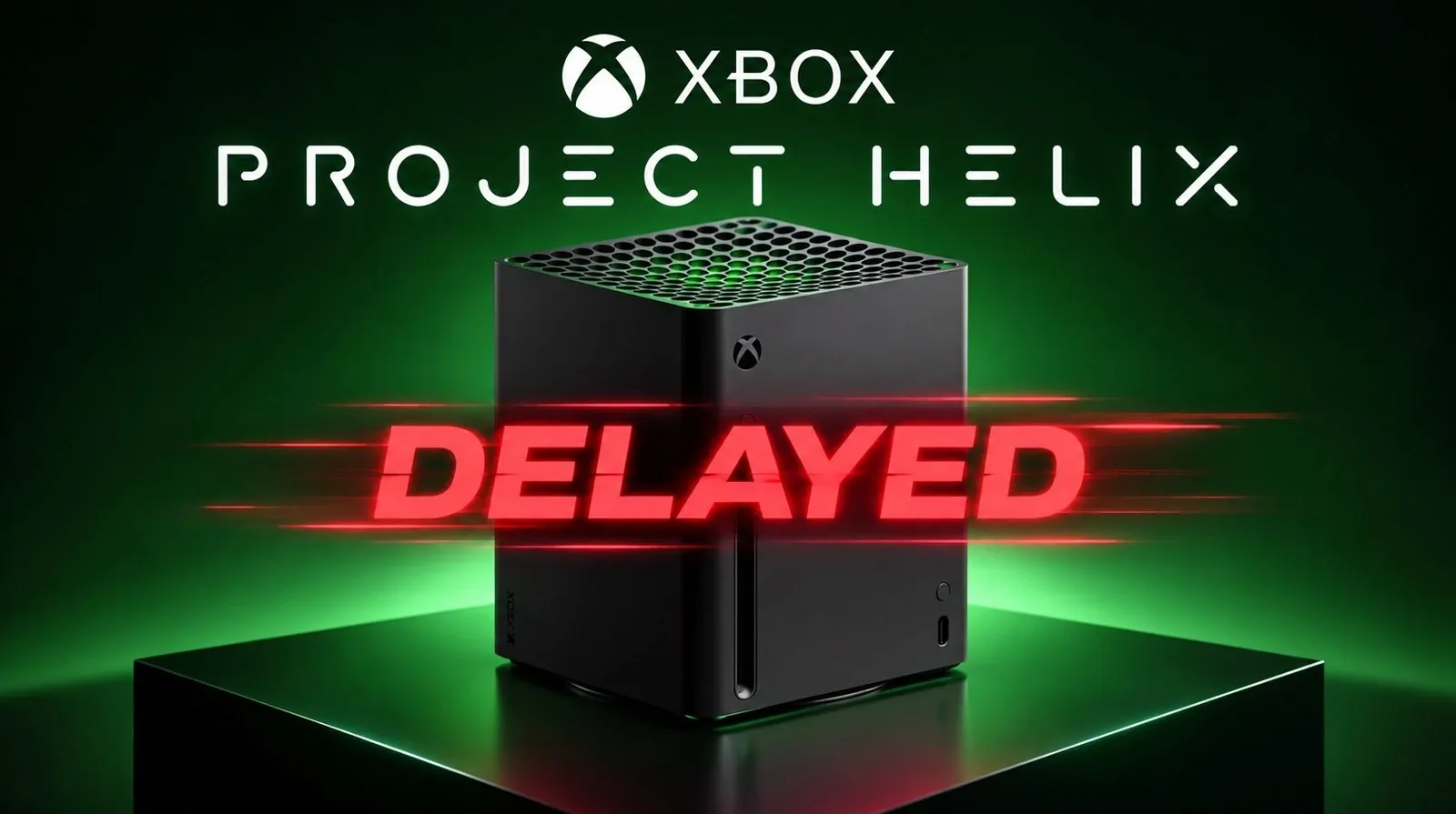
Xbox’s next-generation console, codenamed Project Helix, has been delayed, with its release now anticipated in late 2028. The projected price range of $1,200 to $1,800 has also raised questions about affordability and market strategy. According to Colt Eastwood, these updates highlight the complexities of advancing gaming technology while addressing production costs and consumer expectations.
Dive into the implications of these developments, including the role of the Xbox Magnus chip in a next-generation handheld device slated for 2027. Gain insight into Xbox’s plans for a revamped Game Pass subscription model, aimed at offering more flexible options for players. Additionally, explore how rising hardware costs and internal production challenges are shaping the trajectory of the gaming industry.
Xbox Project Helix
TL;DR Key Takeaways :
- The release of Xbox’s next-generation console, codenamed Project Helix, has been delayed to late 2028, with a potential price range of $1,200 to $1,800, sparking affordability concerns.
- A next-generation handheld gaming device powered by the advanced Xbox Magnus chip is expected to launch in 2027, offering high-end performance at a premium price of $1,200 to $1,400.
- Xbox is revamping its Game Pass subscription service with a customizable à la carte model, allowing gamers to tailor their subscriptions for greater flexibility and cost savings.
- Internal challenges, including software integration issues and rising hardware costs, are contributing to delays and increasing the financial burden of next-generation gaming systems.
- Xbox is using AI technology to accelerate game development, promising more frequent releases of high-quality games despite hardware delays.
Next-Generation Handheld: A Portable Gaming Revolution
In addition to Project Helix, Xbox is working on a next-generation handheld gaming device, which is expected to launch in 2027. Powered by the advanced Xbox Magnus chip, this portable system promises performance on par with current high-end consoles, offering a seamless gaming experience on the go. However, with an estimated price tag of $1,200 to $1,400, it positions itself as a premium product, potentially limiting its accessibility to a broader audience. If you’re a gamer seeking mobility without compromising on quality, this device could redefine portable gaming. However, its high cost may require careful financial planning to make it a viable option.
Game Pass Overhaul: Tailored Subscriptions for Gamers
Xbox is also reimagining its Game Pass subscription service by introducing a new à la carte model. This innovative approach will allow you to customize your subscription by selecting only the games and features that align with your preferences. By offering greater flexibility and potential cost savings, Xbox aims to address growing concerns over rising subscription fees while maintaining its competitive edge in the gaming market. For you, this means a more personalized and budget-friendly gaming experience, making sure that you only pay for what you truly value.

Below are more guides on Xbox Project Helix from our extensive range of articles.
- Xbox Project Helix Confirmed for a November 2027 Launch
- Leaked Xbox Project Helix May Hit a $1,200 Price in Spring 2027
- Estimated $800 Xbox Project Helix Launches in November 2027
- Microsoft Reportedly Drops Steam from Xbox Project Helix
- Tariffs May Push Xbox Project Helix Pricing to a Steep $1,000
- Xbox Project Helix Reportedly Includes a Next-Gen Handheld
- PlayStation 6 and Xbox Project Helix Arrive in 2027 From $800
- New Xbox Project Helix Hardware Apparently Hits True 4K at 120 FPS
- Rumoured Massive 26-Teraflop Xbox Project Helix Pits It Against PlayStation 6
- Project Helix: How the Next Xbox Plays Both PC and Console Games
Internal Challenges and Rising Hardware Costs
Behind the scenes, Xbox is grappling with internal challenges that could further delay the development of both Project Helix and the handheld device. Reports indicate tensions between the Xbox and Windows teams over software integration, which has slowed progress. Seamless cross-platform compatibility is a critical goal for these devices, but achieving this level of integration has proven to be a complex task. For you, this highlights the intricate process of delivering interconnected ecosystems, which may result in additional delays.
Compounding these challenges, the gaming industry is facing rising hardware costs, particularly for essential components like RAM and storage. These price increases are expected to persist until at least 2030, driving up the cost of next-generation consoles and devices. For consumers like you, this trend underscores the growing financial burden of staying at the forefront of gaming technology. As hardware prices climb, the affordability of premium gaming systems may become a key concern for many.
AI in Game Development: Accelerating Innovation
Amid these challenges, Xbox is using artificial intelligence (AI) to streamline game development processes. By automating complex tasks, AI is allowing studios to reduce development timelines, allowing them to focus more on creativity and innovation. For you, this could mean more frequent releases of high-quality games, even as hardware development faces delays. AI’s role in enhancing efficiency and creativity in game production offers a glimpse into how technology is shaping the future of the gaming industry.
Industry Context: Broader Challenges in Next-Generation Gaming
Xbox is not alone in navigating the complexities of next-generation hardware development. Similar delays are rumored for Sony’s PlayStation 6, reflecting the broader challenges faced by the gaming industry. Meanwhile, current-generation consoles like the Xbox Series X/S and PlayStation 5 continue to dominate the market, providing a stable foundation for ongoing innovation. For you, this means that while the wait for next-generation systems may be longer than expected, the current offerings remain robust and capable of delivering high-quality gaming experiences.
As the gaming industry evolves, the balance between innovation, affordability and accessibility will remain a critical focus. For gamers like you, the journey to the next generation of gaming promises exciting advancements, but it also demands patience and thoughtful financial planning.
Media Credit: colteastwood
Disclosure: Some of our articles include affiliate links. If you buy something through one of these links, Geeky Gadgets may earn an affiliate commission. Learn about our Disclosure Policy.
