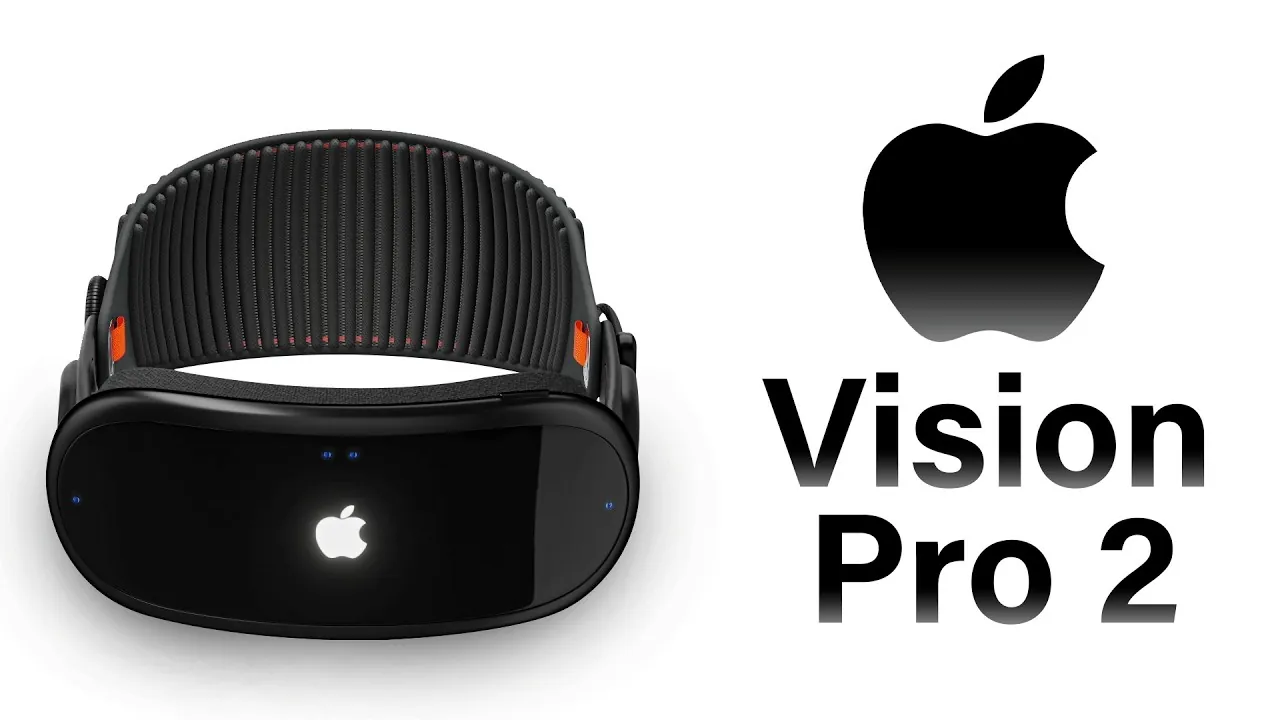
Apple’s Vision Pro, launched with high expectations, has faced significant challenges in carving out a strong position in the competitive AR/VR market. With a steep $3,500 price tag and a lack of compelling features to justify its premium cost, the device has struggled to resonate with consumers. Criticism has mounted over its limited practical applications and accessibility, raising questions about Apple’s long-term strategy in this space. As speculation grows about a second-generation model and a more affordable alternative, Apple’s ability to innovate and adapt will be critical in determining its future in AR/VR. The Vision Pro’s lukewarm reception, coupled with rapid advancements from competitors, underscores the urgency for Apple to refine its approach. The video below from Matt Talks Tech gives us more details.

Vision Pro’s Launch: A Rocky Start
The Vision Pro’s debut highlighted several hurdles Apple must overcome to establish itself in the AR/VR market. While the device introduced advanced features such as eye-tracking and high-resolution displays, its practical value for everyday users remains unclear. At $3,500, the Vision Pro is priced significantly higher than competitors like Meta’s Quest lineup, which starts at under $500. This stark price disparity has made the Vision Pro inaccessible to a broad audience, limiting its market penetration. Compounding the issue, the device lacks compelling use cases that justify its cost, leading to reports of low sales and potential production slowdowns. These challenges have raised doubts about the long-term viability of Apple’s AR/VR ambitions and its ability to compete effectively in a rapidly evolving market.
What Could Vision Pro 2 Bring?
Rumors surrounding the Vision Pro 2 suggest Apple is actively working to address the shortcomings of its first-generation headset. Industry insiders speculate that the next iteration could feature an upgraded M5 chip, which would likely deliver improved performance and greater energy efficiency. Enhancements in display technology, such as brighter visuals and reduced power consumption, are also anticipated. Additionally, extended battery life—a common pain point for AR/VR users—is expected to be a key focus for the Vision Pro 2. These improvements could make the device more appealing to both consumers and professionals. However, with a rumored release window of 2025–2026, Apple risks falling behind competitors who are rapidly iterating and releasing new devices. The delay could allow rivals to solidify their positions in the market, making it even more challenging for Apple to regain momentum.
Visionaire: A Budget-Friendly Alternative?
In response to criticism over the Vision Pro’s high price, Apple is reportedly developing a more affordable version of its AR/VR headset, tentatively called the Visionaire. Priced around $2,000, this model could feature scaled-back capabilities, such as the removal of the external eye display, to reduce costs. While this lower-cost option could make Apple’s AR/VR offerings more accessible, its development timeline and feature set remain uncertain. If executed effectively, the Visionaire could attract a broader audience and help Apple establish a stronger foothold in the AR/VR market. However, without concrete details, it is difficult to predict how this device might impact Apple’s overall strategy or its ability to compete with established players like Meta. The Visionaire represents a potential opportunity for Apple to balance premium branding with affordability, but its success will depend on careful execution and market timing.
Competitive Pressures in the AR/VR Market
Apple’s entry into the AR/VR space comes at a time when competitors like Meta are aggressively expanding their market share. Meta’s Quest headsets, priced under $500, have already gained significant traction among consumers by offering a combination of affordability and robust features. If Apple delays the Vision Pro 2 or fails to introduce meaningful innovations, it risks losing further ground to these competitors. Meanwhile, the broader AR/VR market continues to evolve rapidly, driven by advancements in display technology, battery efficiency, and software capabilities. Companies like Meta and Sony are not only iterating on hardware but also building ecosystems of content and applications that enhance the value of their devices. For Apple, the challenge lies in differentiating its products while addressing the pricing and feature gaps that have hindered the Vision Pro’s success.
Production and Pricing Hurdles
Reports of production challenges and unsold Vision Pro units highlight the difficulties Apple faces in scaling its AR/VR business. The high cost of manufacturing, combined with limited consumer demand, has created a tough environment for the Vision Pro lineup. To succeed, Apple must strike a balance between maintaining its premium branding and offering more accessible pricing. At the same time, introducing unique features that set the Vision Pro apart from competitors will be critical to justifying its cost. Apple’s reputation for innovation gives it an edge, but the company must act quickly to address these hurdles. A failure to do so could result in further erosion of consumer confidence and market share, especially as competitors continue to push the boundaries of what AR/VR technology can achieve.
What Lies Ahead for Apple’s AR/VR Strategy?
The Vision Pro’s underwhelming launch has placed significant pressure on Apple to deliver with its next-generation headset. Accelerating the development of the Vision Pro 2 while addressing pricing and feature gaps will be crucial for maintaining relevance in the AR/VR market. A delayed release until 2026 could leave Apple vulnerable to competitors who are already pushing the boundaries of AR/VR technology. For Apple, the challenge lies in balancing innovation with market demands, making sure its AR/VR products resonate with both loyal customers and new adopters. The Visionaire, if executed effectively, could serve as a stepping stone to broader market adoption, but its success will depend on Apple’s ability to deliver a compelling product at a competitive price point. As the AR/VR landscape continues to evolve, Apple’s ability to adapt and innovate will determine whether it can establish itself as a leader in this emerging technology sector.
Find more information on Apple Vision Pro by browsing our extensive range of articles, guides and tutorials.
- Apple Vision Pro 2 Price DROP? Apple’s Secret Plan Revealed
- Why the Apple Vision Pro Struggles to Go Mainstream
- Is Apple REALLY Launching a $1999 Vision Pro 2?
- Apple Vision Pro 2 everything we know so far
- More Apple Vision Air Details Leaked
Source & Image Credit: Matt Talks Tech
Disclosure: Some of our articles include affiliate links. If you buy something through one of these links, Geeky Gadgets may earn an affiliate commission. Learn about our Disclosure Policy.
