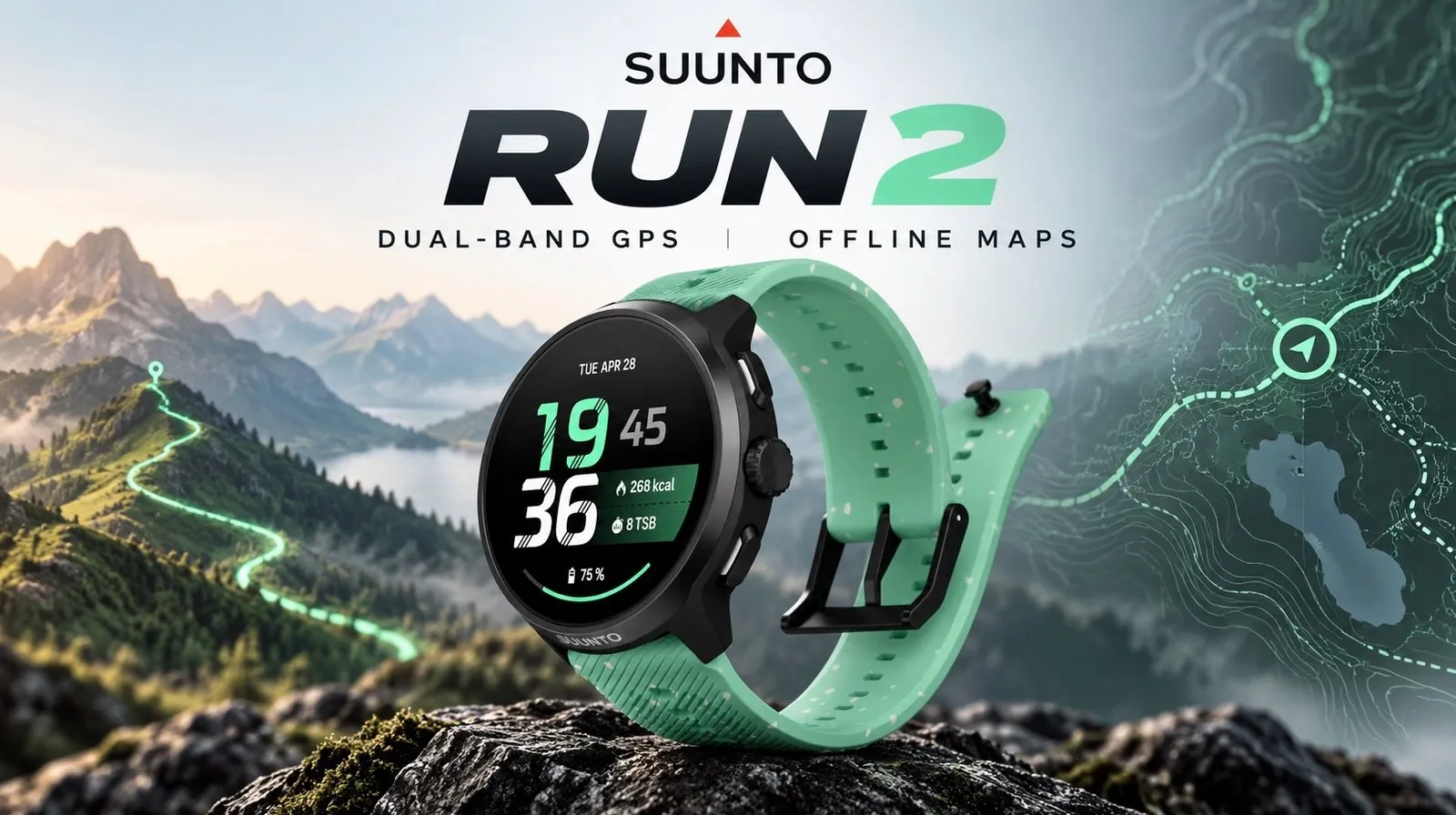
The Suunto Run 2 has emerged as a versatile smartwatch tailored for runners, cyclists and outdoor adventurers, offering a range of features designed to enhance cardio-focused training. In a detailed breakdown by The Quantified Scientist, the device’s standout upgrades, such as its dual-band GNSS for improved GPS accuracy and a 12-channel optical heart rate sensor, are put to the test. With a performance score of 85 in GPS accuracy and a heart rate correlation of 0.99 during running and cycling, the watch demonstrates its reliability in tracking cardio-intensive activities. However, limitations in areas like REM sleep detection and weightlifting performance highlight its more specialized focus.
Explore how the Suunto Run 2’s offline maps and music storage provide independence for outdoor athletes and gain insight into its extended battery life, which supports up to 10 days of daily use or 24 hours in performance mode. You’ll also learn about the practical benefits of its vibrant AMOLED display, which ensures visibility even in bright sunlight. Whether you’re considering the €299/$299 model or the higher-capacity €349/$349 version, this guide will help you weigh the device’s strengths and constraints to determine its fit for your fitness goals.
Key Innovations in the Suunto Run 2
TL;DR Takeaways :
- The Suunto Run 2 features significant upgrades, including enhanced GPS accuracy, improved heart rate monitoring, offline maps and music and a vibrant 1.32-inch AMOLED display.
- Its dual-band GNSS system ensures precise GPS tracking, even in challenging environments, making it ideal for outdoor activities like running and cycling.
- The upgraded 12-channel heart rate sensor delivers high accuracy for cardio activities but struggles with rapid heart rate changes during weightlifting.
- Battery life is a standout feature, offering up to 10 days of normal use or 24 hours in performance mode, catering to long-distance athletes and outdoor enthusiasts.
- While optimized for cardio-focused users, the device has limitations in sleep tracking (particularly REM detection) and weightlifting performance, making it less versatile for other fitness needs.
The Suunto Run 2 introduces several enhancements that elevate its functionality and appeal to fitness enthusiasts. These upgrades include:
- Offline Maps and Music: Navigate remote areas and enjoy music without relying on a smartphone, offering greater independence during outdoor activities.
- Dual-Band GNSS: Enhanced GPS accuracy ensures reliable tracking, even in challenging environments like dense forests or urban areas with tall buildings.
- Upgraded Heart Rate Sensor: A 12-channel optical sensor delivers improved accuracy, particularly during cardio-intensive activities such as running and cycling.
- AMOLED Display: A vibrant 1.32-inch screen with a peak brightness of 2,000 nits ensures excellent visibility in bright sunlight.
- Extended Battery Life: A larger battery supports up to 10 days of normal use or 24 hours in performance mode, catering to long-distance athletes.
These features make the Suunto Run 2 a strong contender for athletes seeking advanced tracking capabilities and convenience during their workouts.
Performance and Functionality
The Suunto Run 2 delivers robust performance in areas critical to runners and cyclists, though it has some limitations in other fitness domains.
- Heart Rate Monitoring: The upgraded 12-channel optical sensor provides highly accurate readings for running and cycling, achieving correlation scores of 0.99 for running and indoor cycling and 0.98 for outdoor cycling. However, it struggles with rapid heart rate fluctuations during weightlifting, reducing its reliability for strength training.
- GPS Tracking: The dual-band GNSS system ensures precise tracking, even in environments with potential signal interference. This makes it a dependable choice for outdoor activities, with a performance score of 85 in GPS accuracy tests.
- Sleep Tracking: While the device effectively monitors light and deep sleep stages, its REM sleep detection falls short, with only 28% agreement compared to reference data. This limits its appeal for users seeking detailed sleep insights.
While the Suunto Run 2 is optimized for cardio activities, its limitations in weightlifting and sleep tracking may deter users looking for a more versatile fitness tracker.

Expand your understanding of fitness trackers with additional resources from our extensive library of articles.
- Amazfit Helio Strap Pro Unveils a Triple-Position Sensor System
- How Amazfit’s AI Coaching and Bio Charge Score Optimize Your Rest Days
- Garmin CIRQA Offers a Screenless $199 Alternative to Oura Ring
- Google and WHOOP Should Be Worried About Apple’s Rumored ‘Watch Air’
- Garmin CIRQA vs WHOOP 5.0: Which Fitness Tracker Should You Buy?
- Screenless Garmin CIRQA for Unobtrusive Fitness Tracking with a $199 Price Tag
- Google Fitbit Air: Why a Screenless Tracker is the Perfect Smartwatch Antidote
- £180 Garmin CIRQA Smart Band Requires No Subscription
- Garmin CIRQA vs Fitbit Air: $200 Premium Beats $100 Value
- Optional Garmin Connect Plus Adds AI Insights to Garmin CIRQA
Design and Build Quality
The Suunto Run 2 strikes a balance between durability and style. Its 46mm stainless steel and plastic body weighs 35g, making it slightly heavier than its predecessor but still comfortable for extended wear. The standout feature is its 1.32-inch AMOLED display, which offers exceptional brightness and clarity, even in direct sunlight. This combination of aesthetics and functionality ensures the device is suitable for both athletic and casual use. Additionally, the watch is water-resistant up to 50 meters, making it a reliable companion for various outdoor and water-based activities.
Battery Life: A Key Strength
Battery performance is one of the Suunto Run 2’s most notable features, offering significant improvements over its predecessor. The larger 380mAh battery provides:
- 10 days of battery life: Ideal for everyday use, reducing the need for frequent recharging.
- 24 hours in performance mode: Perfect for long-distance runs, cycling sessions, or other endurance activities.
This extended battery life ensures that the device remains a dependable choice for athletes who require consistent performance during intensive workouts or outdoor adventures.
Target Audience and Use Cases
The Suunto Run 2 is specifically designed for cardio-focused athletes and outdoor enthusiasts. Its advanced features cater to a variety of use cases, including:
- Runners and Cyclists: Benefit from precise GPS tracking, accurate heart rate monitoring and offline navigation to optimize training and explore new routes.
- Outdoor Enthusiasts: Offline maps and music storage enhance usability in remote areas, allowing users to stay connected and entertained without relying on a smartphone.
However, the device is less suited for weightlifters due to its limitations in tracking rapid heart rate changes. Similarly, users seeking comprehensive sleep analysis may find its REM sleep tracking insufficient.
Overall Assessment
The Suunto Run 2 is a well-rounded smartwatch that offers excellent value for its price. Its advanced GPS tracking, precise heart rate monitoring, offline functionality and vibrant AMOLED display make it a top choice for runners, cyclists and outdoor enthusiasts. The extended battery life further enhances its appeal, making sure consistent performance during long and demanding activities.
Despite its strengths, the device has room for improvement in areas such as weightlifting performance and sleep tracking. At €299/$299 for the 4GB model and €349/$349 for the 64GB model, the Suunto Run 2 remains a compelling option for cardio-focused athletes seeking a reliable and feature-rich smartwatch.
Media Credit: The Quantified Scientist
Disclosure: Some of our articles include affiliate links. If you buy something through one of these links, Geeky Gadgets may earn an affiliate commission. Learn about our Disclosure Policy.
