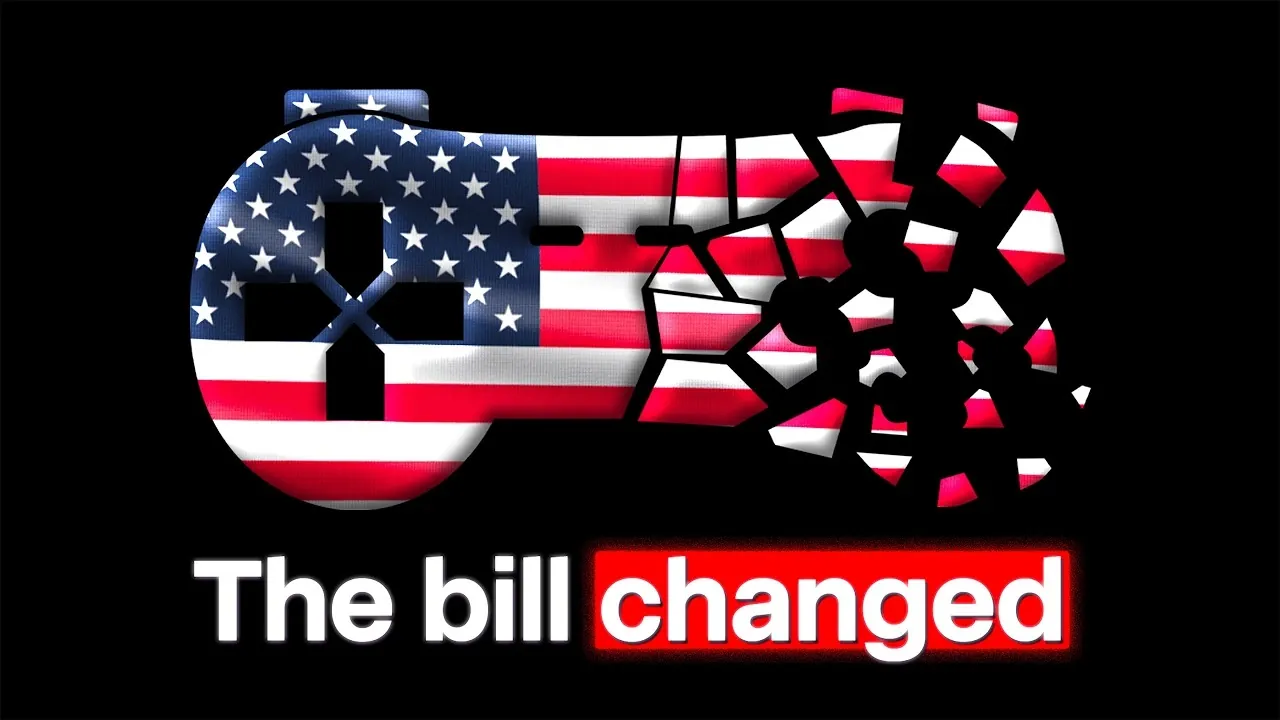
California’s proposed “Protect Our Games Act” (AB1921) has sparked widespread discussion within the gaming community and beyond. Introduced by the advocacy group Stop Killing Games, the bill aims to address the frustration many gamers face when paid digital games become inaccessible due to discontinued services. Among its key provisions is a requirement for developers to provide a mandatory 60-day notice before shutting down a game, along with one of three remedies: an offline version, a usability patch, or a full refund. Bellular News examines how this legislation seeks to balance consumer rights with the operational realities of game development, while also highlighting the challenges posed by industry opposition and recent amendments.
Dive into this breakdown to understand how the bill’s narrowed scope, applying only to games released after January 1, 2027, could leave legacy titles unprotected. Explore the potential impact on smaller studios, which may struggle to meet compliance requirements and learn how the Entertainment Software Association’s concerns over licensing frameworks and ambiguous language could shape the debate. Whether you’re a gamer, developer, or industry observer, this deep dive offers a nuanced look at the evolving intersection of gaming and consumer protection.
What the Bill Seeks to Achieve
TL;DR Key Takeaways :
- The “Protect Our Games Act” (AB1921) aims to protect consumers from losing access to purchased digital games by requiring a 60-day notice and offering solutions like offline versions, patches, or refunds when a game’s service is discontinued.
- The bill applies only to paid digital games released or re-released after January 1, 2027, excluding free-to-play and subscription-based titles, as well as older games unless re-released.
- Industry opposition, led by the Entertainment Software Association (ESA), highlights concerns about the bill’s impact on licensing models, vague language and potential burdens on smaller developers.
- The legislation has passed key committees in California and is progressing through the legislative process, with further amendments and negotiations expected before final approval.
- If enacted, the bill could set a precedent for global consumer protection laws in the gaming industry, balancing consumer rights with the operational challenges faced by developers.
The Protect Our Games Act proposes several measures to safeguard consumer rights when a game’s service is discontinued. Its key provisions include:
- A mandatory 60-day notice to consumers before shutting down a game’s service.
- Requiring developers to provide one of three solutions for affected players:
- Offering a functional offline version of the game.
- Releasing a patch or update to maintain usability.
- Issuing a full refund to consumers.
The bill applies exclusively to paid digital games, explicitly excluding free-to-play and subscription-based titles. This distinction reflects an effort to balance consumer protection with the diverse business models that exist within the gaming industry. By focusing on paid games, the legislation aims to address the financial investment made by consumers while avoiding overregulation of other gaming formats.
Amendments Narrow the Bill’s Scope
Recent amendments have significantly reduced the bill’s scope. It now applies only to games released or re-released after January 1, 2027. This change excludes older games and existing back catalogs unless they are re-released under new terms. While this adjustment reduces the immediate burden on developers, it also leaves many legacy games unprotected, raising concerns about the bill’s overall effectiveness in addressing the broader issue of digital game preservation.
These amendments reflect a compromise aimed at easing industry concerns about retroactive compliance. However, they also highlight the challenges of crafting legislation that balances consumer rights with the operational realities of game development. The exclusion of older titles has sparked debate among gamers and advocacy groups, who argue that the bill should do more to address the preservation of gaming history.
Enhance your knowledge on game consoles by exploring a selection of articles and guides on the subject.
- Xbox Project Helix Specs Leak: Why Microsoft’s New Console is Amazing
- RG56 Pro Max First Look & Performance Guide: What Runs Well & What Struggles
- Steam Deck Restocks Resume After Valve Fixes RAM Supply
- The Death of the Console War: Why Project Helix is Both a PC and an Xbox
- Unit-e PC Classic MS-DOS games console
- XGO handheld retro gaming console and wireless charger
- Inside Project Helix: Microsoft’s Console-PC Hybrid Coming In 2027
- PS6 vs Xbox Helix : Which Next-Gen Console Will Cost You More?
- PC Gaming on Android at 100 FPS, Battery Efficiency : Red Magic 11
- Retroid Pocket 5: Game Emulation Performance and Features Tested
Industry Opposition and Concerns
The Entertainment Software Association (ESA), a leading industry group, has been a vocal opponent of the Protect Our Games Act. The ESA argues that the bill misunderstands the fundamental distinction between ownership and licensing, a cornerstone of the digital gaming economy. Most digital games are licensed rather than owned outright and the ESA contends that the legislation could disrupt this established framework, potentially leading to unintended consequences for the industry.
The ESA has also raised concerns about ambiguities in the bill’s language. Terms such as “ordinary use” and “reasonable expectations” are seen as vague and open to interpretation, which could lead to legal disputes. Smaller studios, in particular, may struggle to navigate these uncertainties, as they often lack the financial and technical resources to meet the proposed requirements. Critics argue that the bill could inadvertently stifle innovation by imposing additional burdens on independent developers.
Legislative Progress and Next Steps
Despite facing opposition, the Protect Our Games Act has made significant progress in California’s legislative process. It has successfully passed through key committees, including those focused on privacy, consumer protection, judiciary matters and appropriations. The next steps include a vote on the assembly floor, followed by review and potential amendments in the state Senate. Any differences between the two chambers will need to be reconciled before the bill can be sent to the governor for approval.
The legislative process remains dynamic, with further revisions likely as stakeholders continue to negotiate the bill’s final form. Advocacy groups and industry representatives are expected to play a pivotal role in shaping its outcome. The evolving nature of the bill underscores the complexity of addressing consumer protection in the rapidly changing digital gaming landscape.
Potential Impact on Developers and Gamers
If enacted, the Protect Our Games Act could have far-reaching implications for both developers and consumers.
For developers, compliance with the bill would require careful planning and resource allocation. They may need to:
- Develop offline versions of games or release patches to maintain usability.
- Offer refunds to consumers if other solutions are not feasible.
- Extend server support for longer periods to meet regulatory requirements.
Failure to comply could result in significant legal and financial penalties, including costly refunds and potential lawsuits. These requirements could pose particular challenges for smaller studios, which may lack the resources to implement the necessary changes.
For consumers, the bill represents a step toward greater transparency and accountability in the gaming industry. It seeks to address a common frustration among gamers: the sudden loss of access to purchased digital content. By mandating advance warnings and viable solutions, the legislation aims to protect consumers from unexpected disruptions and ensure they are treated fairly.
Broader Implications and Future Outlook
California’s Protect Our Games Act could have implications that extend far beyond the state’s borders. If enacted, it may serve as a model for similar legislation in other jurisdictions. Regions such as the European Union are already exploring stricter consumer protection laws for digital goods and California’s efforts could influence the global regulatory landscape.
However, the bill is likely to face further scrutiny and potential legal challenges. Advocacy groups supporting the legislation acknowledge the need for compromise to ensure its passage. While the Protect Our Games Act may not address all issues related to digital game preservation, it represents a significant step toward tackling the challenges posed by an increasingly digital gaming industry. As the gaming world continues to evolve, the bill highlights the importance of balancing consumer rights with the realities of game development and distribution.
Media Credit: Bellular News
Disclosure: Some of our articles include affiliate links. If you buy something through one of these links, Geeky Gadgets may earn an affiliate commission. Learn about our Disclosure Policy.
