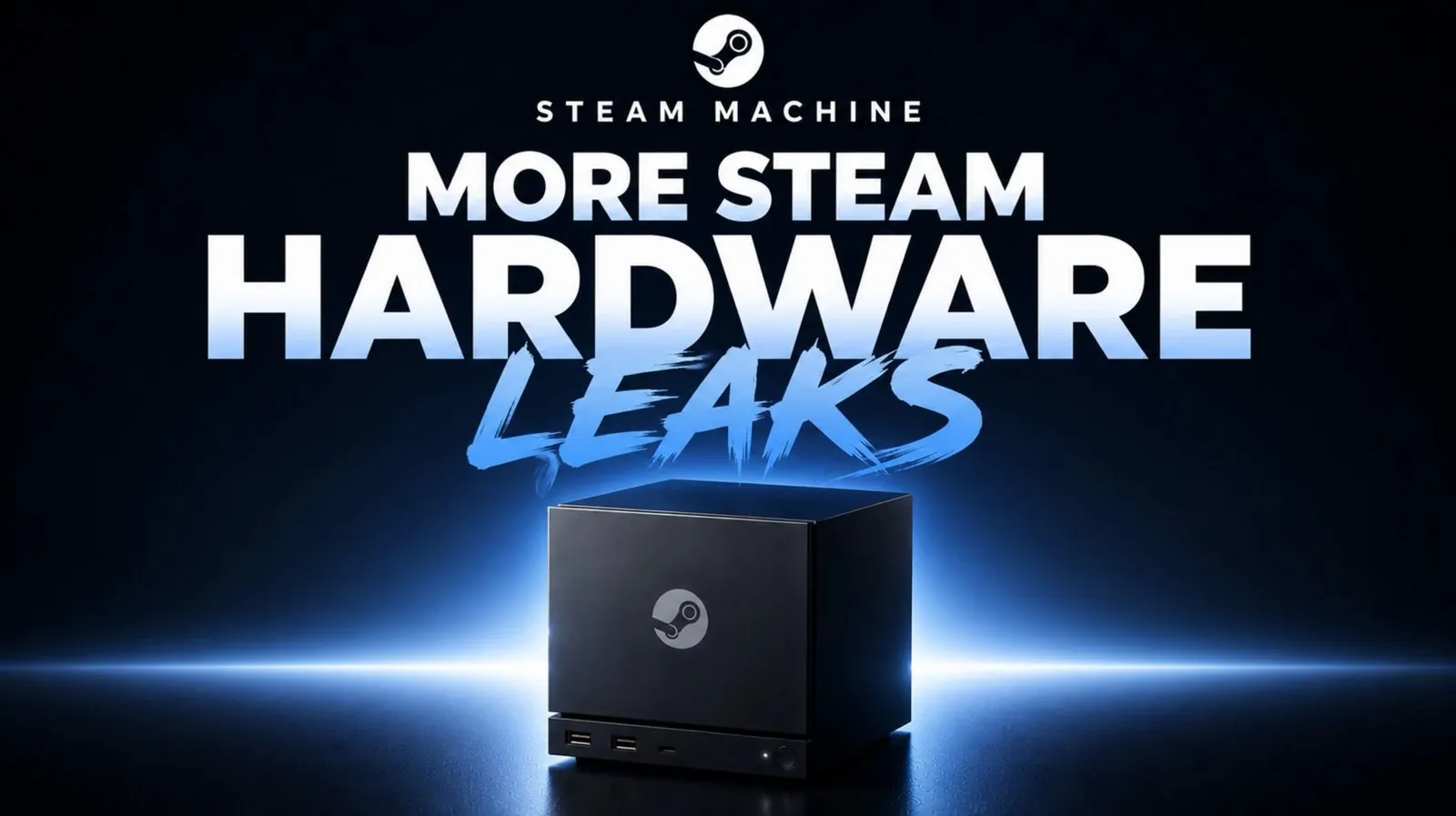
Valve’s latest hardware leaks have revealed intriguing details about the Steam Machine, a modular gaming system that could reshape how players approach customization and long-term upgrades. According to NerdNest, the leaks suggest four distinct configurations, ranging from base models to high-capacity storage options, with some bundles including the Steam Controller. One standout feature is the potential for user-upgradable components, which could appeal to gamers seeking flexibility and extended device lifespans. However, questions around pricing and availability remain, leaving room for speculation about how these devices will fit into the competitive gaming market.
Dive into this breakdown to explore how Valve’s modular approach could influence both the Steam Machine and the rumored Steam Frame, a device that hints at the company’s ambitions in VR and AR. You’ll also gain insight into how these developments align with broader industry trends, including the growing demand for adaptable hardware and the challenges facing VR adoption. Whether you’re curious about the specific configurations or the potential impact on gaming ecosystems, this guide offers a comprehensive look at what these leaks could mean for the future of gaming hardware.
Steam Hardware 2026
TL;DR Key Takeaways :
- Valve’s upcoming Steam Machine hardware may feature four configurations, emphasizing modularity, flexibility and user-upgradable components, appealing to gamers seeking customization and long-term value.
- Leaks suggest Valve’s potential entry into VR/AR with the Steam Frame, a modular device aiming to address usability and accessibility challenges in the VR market.
- Shifting gaming trends show a decline in live-service games, with players favoring single-player, narrative-driven experiences that prioritize storytelling and immersion.
- The debate over game preservation highlights tensions between consumer rights and industry practices, with advocates pushing for measures to ensure access to purchased content after server shutdowns.
- Recent game releases like “Forza Horizon 6,” “Replaced,” and “Huntdown Overtime” showcase the industry’s creativity, catering to diverse tastes and pushing the boundaries of gaming experiences.
Steam Frame: Valve’s Potential Entry into VR/AR
A particularly compelling aspect of these leaks is the possibility of user-upgradable components, which could set the Steam Machine apart in the competitive gaming hardware market. This feature is likely to appeal to gamers who prioritize adaptability and long-term value. However, key questions remain unanswered, particularly regarding pricing and availability. These uncertainties have left many speculating about how Valve’s offerings will align with consumer expectations and whether they can deliver a balance of affordability and performance.
The leaks also hint at a new device called the Steam Frame, which could mark Valve’s entry into the realms of virtual reality (VR) and augmented reality (AR). Early details suggest that the Steam Frame may adopt a modular design, aligning with Valve’s broader hardware strategy. This approach could provide users with the ability to upgrade or customize their devices, potentially addressing some of the barriers to VR adoption.
Despite its promise, the Steam Frame would enter a VR market that continues to face significant challenges. Issues such as usability, comfort, and the lack of compelling content have hindered widespread adoption. Competing devices like the MetaQuest 3 and PSVR2 have made strides in addressing these concerns, but the technology has yet to achieve mainstream success. For the Steam Frame to stand out, Valve will need to focus on delivering a product that is not only innovative but also accessible and user-friendly. If successful, the Steam Frame could reinvigorate interest in VR and AR technologies, potentially carving out a unique niche in the market.
Shifting Trends in the Gaming Industry
The gaming industry is currently navigating a period of significant change, driven by evolving consumer preferences and shifting market dynamics. One notable example of this transformation is Sega’s recent decision to cancel its ambitious $882 million “super game” project. This move highlights the risks associated with large-scale investments in an industry where consumer tastes can be unpredictable.
At the same time, live-service games, once dominant in the market, are experiencing a decline in popularity. Players are increasingly gravitating toward single-player, narrative-driven experiences that emphasize storytelling and immersion. This shift reflects a growing demand for self-contained gameplay that prioritizes quality over quantity. Even major players like Sony are facing challenges in adapting to these trends, particularly when it comes to balancing pricing strategies with consumer expectations. These developments underscore the need for publishers and developers to remain agile and responsive to the changing landscape of gaming preferences.

Enhance your knowledge on Steam Machine by exploring a selection of articles and guides on the subject.
- Valve Steam Machine Update: RAM Supply Stabilizes as Unified Deck Software Expands
- Why Valve is Releasing 4 Different Steam Machine Variants
- Valve’s 2026 Steam Machine is Almost Here
- Inside Valve’s Unusual Rollout Plan for the Steam Machine
- Why the Upcoming Valve Steam Machine Might Be Sold at a Loss
- Valve Steam Machine Plans : Focus on Performance, Not Price
- How Valve Finally Solved the Steam Machine’s Biggest Performance Bottleneck
- Valve Explains Why We Got a New Steam Controller but No Steam Machine
- Valve’s $800 Steam Machine Could Now Cost Over $1,200
- $60 Steam Controller 2 is Packing Features PC Gamers Have Been Waiting For
Game Preservation: A Growing Debate
The issue of game preservation has emerged as a critical topic in recent years, fueled by the introduction of Assembly Bill 1921. This proposed legislation aims to preserve online games after server shutdowns, making sure that players retain access to content they have purchased. However, the bill has faced opposition from the Entertainment Software Association (ESA), which has raised concerns about its potential impact on licensing practices.
Critics argue that current industry practices often undermine consumer rights, leaving players unable to access games they own once servers are taken offline. Advocates for game preservation emphasize the cultural and historical significance of video games, calling for measures to safeguard their longevity. This debate highlights the tension between industry priorities and consumer advocacy, raising important questions about the future of digital content ownership and the responsibilities of developers and publishers in preserving gaming history.
Noteworthy Games Shaping the Current Landscape
Several recent game releases have captured the attention of players, showcasing the industry’s creativity and diversity:
- Forza Horizon 6: This latest installment in the popular racing series pushes the boundaries of the genre with enhanced mechanics, verticality and rally integration, delivering a fresh and dynamic experience for fans.
- Replaced: Praised for its stunning visuals and artistic direction, this indie title has drawn attention for its unique aesthetic, though some players have noted repetitive gameplay as a potential drawback.
- Huntdown Overtime: A reimagining of the original action platformer, this game incorporates roguelike mechanics to offer a fresh take on a beloved classic, appealing to both new players and longtime fans.
These titles highlight the industry’s ability to cater to a wide range of tastes, from high-octane racing experiences to visually striking indie games and innovative reboots. They serve as a testament to the creativity and ingenuity that continue to drive the gaming world forward.
A Dynamic Future for Gaming
Valve’s Steam Machine leaks, combined with broader discussions about VR challenges, shifting industry trends and the growing debate over game preservation, paint a vivid picture of the gaming landscape in 2026. The rise of modular hardware, the ongoing push for digital content ownership, and the increasing demand for narrative-driven experiences all point to an industry in flux.
As a gamer, staying informed about these developments allows you to navigate the evolving world of interactive entertainment with confidence. Whether you’re drawn to innovative hardware innovations or timeless single-player adventures, the future of gaming promises to offer something for everyone.
Media Credit: NerdNest
Disclosure: Some of our articles include affiliate links. If you buy something through one of these links, Geeky Gadgets may earn an affiliate commission. Learn about our Disclosure Policy.
