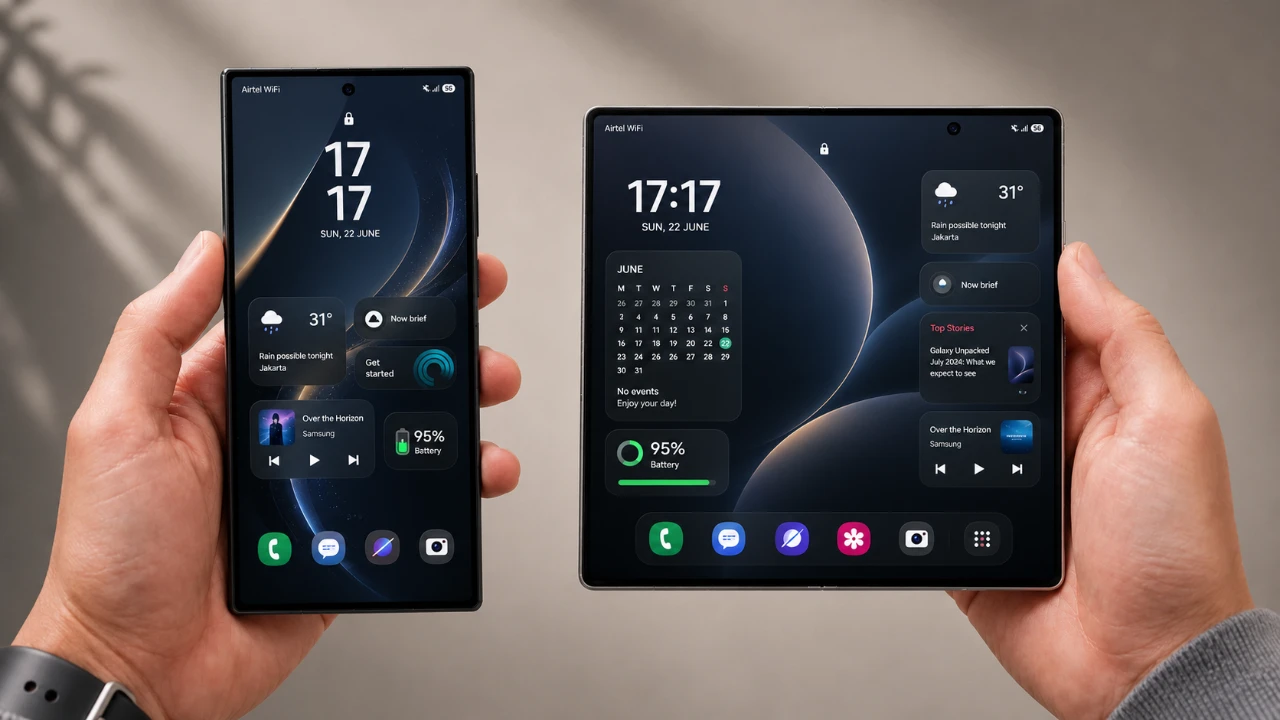
The upcoming Galaxy Z Fold 8 and Z Fold 8 Wide represent the forefront of foldable smartphone technology, offering distinct features tailored to varying user preferences. While both devices excel in performance, their camera systems set them apart, catering to different photography needs. The Z Fold 8 stands out with its advanced camera capabilities, making it a compelling option for photography enthusiasts, while the Z Fold 8 Wide provides a more practical approach for everyday users. This detailed comparison explores the key differences in their camera systems, helping you determine which device aligns best with your priorities.
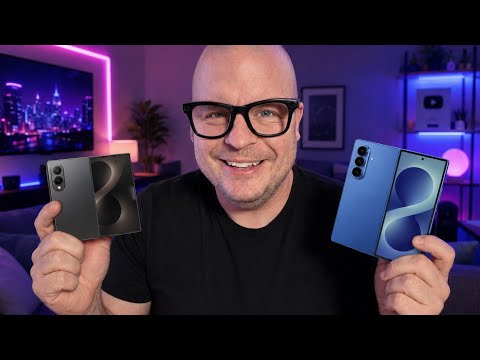
Main Camera: Resolution and Performance
The primary distinction between the Galaxy Z Fold 8 and the Z Fold 8 Wide lies in their main camera specifications, which cater to different levels of photographic expertise and needs:
- Galaxy Z Fold 8: Equipped with an innovative 200-megapixel main camera, this device is designed for users who demand exceptional detail and clarity. The high-resolution sensor is particularly beneficial for those who frequently crop images, edit photos professionally, or print large-format visuals.
- Galaxy Z Fold 8 Wide: Features a 50-megapixel main camera, which, while not as high-resolution as the Z Fold 8, still delivers impressive image quality. This camera strikes a balance between performance and practicality, making it ideal for users who prioritize convenience and everyday photography.
For users who value professional-grade photography and the ability to capture intricate details, the Z Fold 8’s 200-megapixel camera offers unparalleled performance. However, the Z Fold 8 Wide’s 50-megapixel sensor is more than sufficient for most scenarios, providing high-quality images without the need for ultra-high resolution.
Ultra-Wide and Selfie Cameras
Both models share a significant upgrade in their ultra-wide camera capabilities, but their selfie cameras remain consistent with previous iterations:
- Ultra-Wide Camera: Both the Z Fold 8 and Z Fold 8 Wide feature a 50-megapixel ultra-wide camera, a notable improvement from the 12-megapixel sensors found in earlier models. This enhancement ensures sharper, more detailed wide-angle shots, making it ideal for capturing landscapes, architecture, or group photos.
- Selfie Camera: The front-facing camera remains unchanged at 10 megapixels for both devices. While some users may have hoped for an upgrade, this sensor continues to deliver reliable performance for video calls, casual selfies and social media content.
The shared ultra-wide camera upgrade demonstrates Samsung’s commitment to improving image quality across its foldable lineup, while the unchanged selfie camera reflects a focus on maintaining consistency in areas where performance already meets user expectations.
Choosing Based on User Needs
Selecting between the Galaxy Z Fold 8 and Z Fold 8 Wide depends largely on your specific photography habits and priorities. Here’s how the two models cater to different user needs:
- Galaxy Z Fold 8: Best suited for photography enthusiasts and professionals who require innovative technology. The 200-megapixel camera offers unmatched detail, making it ideal for users who frequently edit or print high-resolution images. However, the higher resolution may result in larger file sizes, necessitating more storage space and potentially impacting file management.
- Galaxy Z Fold 8 Wide: Designed for users who value practicality and convenience. The 50-megapixel main camera delivers excellent image quality for everyday use, making it a more accessible option for those who don’t require ultra-high resolution.
It’s important to note that many users prefer shooting at lower resolutions, such as 12 or 24 megapixels, to save storage and simplify file management. For these users, the practical difference between the two models may be minimal, as both devices offer exceptional performance for standard photography needs.
Samsung Galaxy Z Fold 8 vs. Z Fold 8 Wide (Rumored Specs)
| Specification | Galaxy Z Fold 8 (Standard) | Galaxy Z Fold 8 Wide |
| Form Factor Profile | Tall and narrow (traditional slab phone footprint) | Short and wide (“passport” or wallet-style footprint) |
| Inner Display | 8.0-inch LTPO Dynamic AMOLED 2X (120Hz) | 7.6-inch LTPO Dynamic AMOLED 2X (120Hz) |
| Inner Aspect Ratio | ~6:5 (Square-ish, native portrait orientation) | ~4:3 (Landscape-first, wider layout) |
| Cover Display | 6.5-inch Dynamic AMOLED 2X (120Hz) | 5.4-inch Dynamic AMOLED 2X (Wider aspect ratio) |
| Unfolded Dimensions | 158.4 x 143.2 x 4.5 mm | 123.9 x 161.4 x 4.9 mm |
| Folded Dimensions | 158.4 x 72.8 x 9.0 mm | 123.9 x 82.2 x 9.8 mm |
| Processor | Qualcomm Snapdragon 8 Elite Gen 5 for Galaxy | Qualcomm Snapdragon 8 Elite Gen 5 for Galaxy |
| RAM Configuration | 12GB / 16GB LPDDR5X | 12GB / 16GB LPDDR5X |
| Storage Options | 256GB / 512GB / 1TB (UFS 4.0) | 256GB / 512GB (UFS 4.0) |
| Rear Camera System |
Triple Camera Array:
• 200MP Main ($F1.7$, 1/1.3″ sensor)
• 50MP Ultrawide
• 10MP Telephoto (3x Optical Zoom) |
Dual Camera Array:
• 50MP Main ($F1.8$ lens)
• 50MP Ultrawide ($F1.9$ lens)
(No Dedicated Telephoto Lens) |
| Selfie Cameras |
• 10MP Cover Display camera
• 4MP or 10MP Inner Display camera |
• 10MP Cover Display camera
• 10MP Inner Display camera |
| Battery Capacity | 5,000 mAh (Upgraded from Z Fold 7) | 4,800 mAh |
| Charging Speeds | 45W Wired / 25W Wireless | 45W Wired / 25W Wireless |
| Durability / Glass | Dual-layer UTG (Ultra-Thin Glass) | Dual-layer UTG (Ultra-Thin Glass) |
| IP Rating | IP48 (Water and basic dust resistance) | IP48 (Water and basic dust resistance) |
| Software | One UI 9 (Based on Android 16/17) | One UI 9 (Based on Android 16/17) |
| Expected Launch | Late July 2026 (Rumored July 22) | Late July 2026 (Rumored July 22) |
| Estimated Base Price | ~$1,999 | ~$1,999 (or slightly lower due to dual cameras) |
Samsung’s Broader Product Lineup
The Galaxy Z Fold 8 and Z Fold 8 Wide are part of Samsung’s highly anticipated product launches, scheduled for July 2026. Alongside these foldable smartphones, Samsung is expected to introduce a range of innovative devices, further solidifying its position as a leader in consumer technology. Key highlights of the upcoming lineup include:
- Galaxy Z Flip 8: A compact foldable smartphone designed for users who prioritize portability and sleek design.
- Galaxy Watch Ultra 3 and Galaxy Watch 9: Smartwatches featuring enhanced fitness tracking, productivity tools and improved battery life.
- One UI 9: The latest iteration of Samsung’s software platform, offering a refined user experience with new customization options and performance enhancements.
- Augmented Reality Glasses: A potential debut product that signals Samsung’s expansion into immersive and wearable technologies, catering to users interested in augmented reality applications.
These upcoming releases highlight Samsung’s commitment to innovation across multiple product categories, providing users with a diverse range of devices to enhance their digital lifestyles. Whether you’re drawn to foldable smartphones, advanced wearables, or innovative software, Samsung’s 2026 lineup promises to deliver something for everyone.
Source & Image Credit: GregglesTV
Disclosure: Some of our articles include affiliate links. If you buy something through one of these links, Geeky Gadgets may earn an affiliate commission. Learn about our Disclosure Policy.
