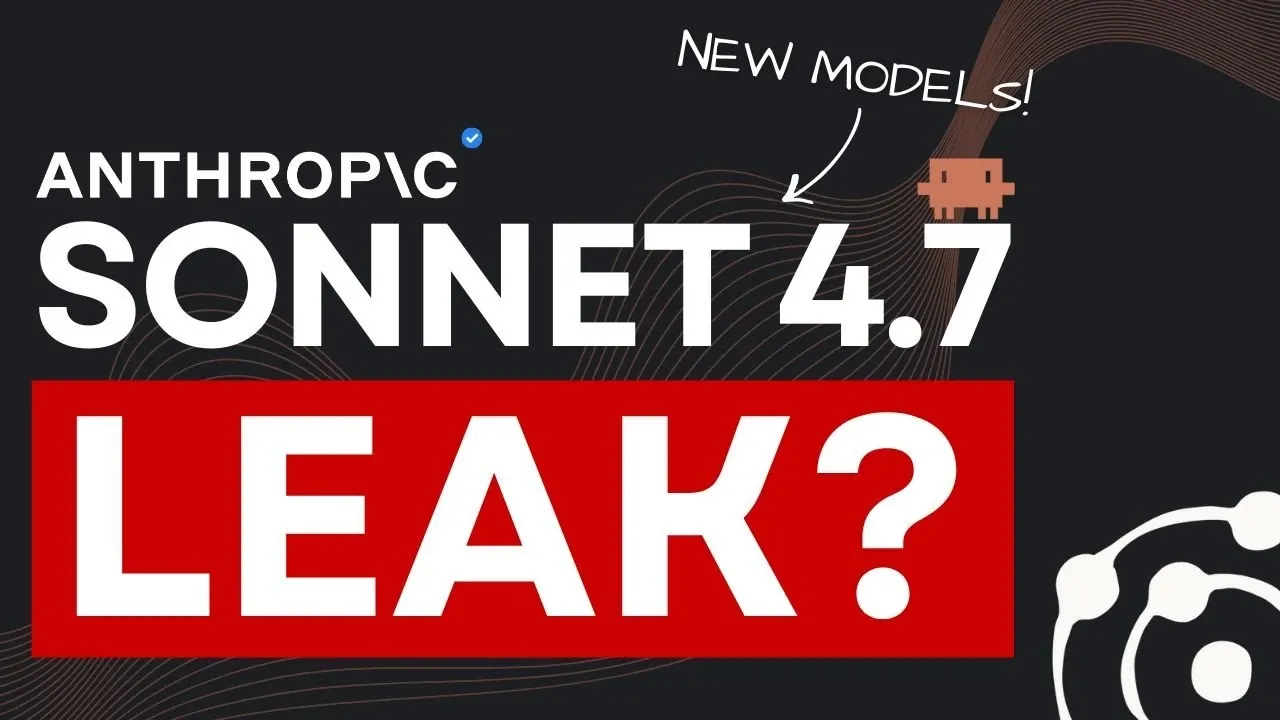
What if the AI you rely on could not only assist but anticipate your needs, seamlessly blending into your daily routines? Universe of AI outlines how the latest advancements, including Claude Sonnet 4.7 and GPT-5.3, are reshaping the boundaries of what artificial intelligence can achieve. From enhanced reasoning to proactive assistance, these innovations aren’t just incremental updates, they represent a bold leap toward AI systems that feel almost intuitive. And then there’s Clawdbot, a new kind of assistant that doesn’t wait for instructions but takes initiative, redefining how we interact with technology. These developments raise an exciting question: are we on the verge of AI becoming as essential as the devices we carry?
In this overview, we’ll explore what makes these new models and systems stand out, from GPT-5.3’s advanced coding capabilities to Clawdbot’s ability to automate workflows across platforms like Slack and Telegram. You’ll also discover how Anthropic’s Claude Sonnet 4.7 prioritizes trust and reliability, addressing some of the biggest concerns surrounding AI adoption. Whether you’re a developer, a professional looking to streamline your day, or simply curious about the future of AI, this breakdown offers a glimpse into how these technologies are poised to transform everything from productivity to personal assistance. The question isn’t just what these systems can do, but how they’ll change the way we live and work.
AI Advancements & Integration
TL;DR Key Takeaways :
- OpenAI, Anthropic, and Google are leading AI innovation with upcoming model releases like GPT-5.3, Claude Sonnet 4.7, and Google Gemini 3 Pro, focusing on reasoning, reliability, and seamless integration into workflows.
- Clawdbot is a proactive AI assistant that integrates with platforms like WhatsApp and Slack, offering personalized, context-aware support and automating tasks such as email management and project organization.
- AI integration into workplace tools like Slack and Canva is enhancing productivity by streamlining workflows and reducing the need to switch between applications.
- Leading AI companies are adopting distinct strategies: OpenAI focuses on developer usability, Anthropic emphasizes trust and reliability, and Google prioritizes platform-level integration for a seamless user experience.
- Challenges such as data privacy, accessibility for non-technical users, and ethical deployment must be addressed to ensure AI technologies are trustworthy, inclusive, and secure.
Major AI Model Releases: What to Expect
The upcoming releases of AI models from OpenAI, Anthropic, and Google represent significant milestones in the evolution of artificial intelligence. Each model is designed to address specific challenges, such as improving reasoning, enhancing usability, and allowing seamless integration into various platforms. These advancements are poised to redefine how users interact with AI systems.
- OpenAI GPT-5.3: This model focuses on advanced reasoning capabilities, long-context processing, and features tailored for developers. It is designed to enhance coding workflows and support agent-based tasks, making it particularly valuable for technical professionals and software developers.
- Anthropic Claude Sonnet 4.7: Known for its emphasis on trust and reliability, this model introduces improvements in summarization, mathematical reasoning, and tool usage. It also offers enhanced coding accuracy, making it a powerful tool for solving complex problems.
- Google Gemini 3 Pro: While specific details remain speculative, this model is anticipated to feature advanced multimodal capabilities and deeper integration with workplace tools. These enhancements could redefine how AI interacts with users across various platforms.
These models collectively aim to address the growing demand for AI systems that are not only powerful but also reliable and user-friendly, catering to a diverse range of professional and personal needs.
Clawdbot AI Assistance
Clawdebot is transforming the concept of personal AI assistance by offering seamless integration with widely used platforms such as WhatsApp, Slack, and Telegram. Its ability to retain memory of past interactions allows it to provide personalized, context-aware support, making it a versatile tool for both personal and professional use.
- Key Features: Clawdbot is capable of proactively initiating conversations, automating workflows, and performing tasks such as sending emails, managing files, and controlling applications. Its proactive nature sets it apart from traditional AI assistants.
- Practical Applications: Users can use Clawdbot for a variety of tasks, including organizing email inboxes, summarizing health data, conducting travel research, and managing projects. Its adaptability makes it a valuable asset in diverse scenarios.
- Ease of Setup: Clawdbot is designed for simplicity, requiring minimal hardware to operate. It can run on a basic cloud server or personal computer, with an installation process that is straightforward and accessible to most users.
By integrating directly into everyday tools and platforms, Clawdbot exemplifies the potential of AI to enhance productivity and simplify complex workflows.
Claude Sonnet 4.7, GPT-5.3 Incoming & Clawdbot

Gain further expertise in OpenAI GPT-5.3 by checking out these recommendations.
- ChatGPT 5.3 Upgrade Focus on Reasoning and Reliability Boost
- Gemini 3.5 Leaked ChatGPT 5.3 Confirmed & DeepSeek Hints at
- How to build a GPT Assistant in less than 5 minutes using OpenAI
- OpenAI GPT-4.5 Features, Limitations, and Use Cases Explained
- OpenAI and Jony Ive IO device, AI hardware expected in 2026
- OpenAI ChatGPT o1 Series: The Next Big Leap in AI Reasoning
- What are OpenAI ChatGPT API rate limits?
- ChatGPT-5 Next : OpenAI hints at upcoming release
- 17 ChatGPT Canvas Tips & Tricks
- ChatGPT vs Copilot : AI Tools for Business Compared
AI Integration with Workplace Tools
Artificial intelligence is becoming a cornerstone of workplace productivity, with tools like Clawdbot allowing seamless interaction within platforms such as Slack, Figma, and Canva. These integrations allow users to perform tasks like project management, data analysis, and diagram creation without leaving their primary workflows. This level of integration not only saves time but also enhances efficiency by reducing the need to switch between multiple applications.
Clawdbot is built on the MCP open standard, making sure compatibility across a wide range of platforms. This standard assists the integration of various tools into AI workflows, allowing users to streamline their processes and focus on higher-value tasks. By embedding AI into workplace tools, organizations can unlock new levels of productivity and collaboration.
Strategies of Leading AI Players
The leading players in the AI industry, OpenAI, Anthropic, and Google, are adopting distinct strategies to address user needs and expand the capabilities of their models. These approaches highlight the diverse ways in which AI is being developed to meet the demands of different user groups.
- OpenAI: OpenAI is focused on enhancing AI usability for developers, with particular attention to improving coding workflows and agent-based systems. This approach aims to empower technical professionals by providing tools that simplify complex tasks.
- Anthropic: Anthropic prioritizes trust and reliability, with advancements in reasoning and summarization designed to ensure accurate and consistent outputs. This focus on dependability makes its models well-suited for critical applications.
- Google: Google is using platform-level innovations to scale AI capabilities and enhance integration within existing ecosystems. By embedding AI into its suite of tools, Google aims to create a seamless user experience across its platforms.
These strategies reflect the diverse priorities of AI developers, from improving technical workflows to making sure reliability and enhancing user experience.
Risks and Challenges
While tools like Clawdbot offer significant benefits, they also present important challenges that must be addressed. One key concern is data privacy and security, as Clawdbot’s access to personal data and systems requires robust safeguards to protect sensitive information. Additionally, while the setup process is designed to be straightforward, it may still pose difficulties for non-technical users, potentially limiting its accessibility.
Another challenge lies in making sure that AI systems remain transparent and accountable. As AI becomes more integrated into daily life, it is essential to establish clear guidelines and standards to prevent misuse and ensure ethical deployment. Addressing these challenges will be critical to realizing the full potential of AI technologies.
The Future of AI Integration
The latest advancements in AI models and tools signal a significant shift in how artificial intelligence integrates into work and daily life. Companies like OpenAI, Anthropic, and Google are driving this evolution with innovative solutions tailored to diverse user needs. Tools like Cladebot exemplify the potential of AI to automate tasks, enhance productivity, and seamlessly integrate into existing workflows.
As AI continues to mature, it is poised to become an indispensable interface for both personal and professional endeavors. By addressing challenges related to privacy, accessibility, and ethical use, the AI industry can ensure that these technologies are not only powerful but also trustworthy and inclusive. The future of AI lies in its ability to empower users, streamline processes, and unlock new possibilities across all aspects of life.
Media Credit: Universe of AI
Disclosure: Some of our articles include affiliate links. If you buy something through one of these links, Geeky Gadgets may earn an affiliate commission. Learn about our Disclosure Policy.
