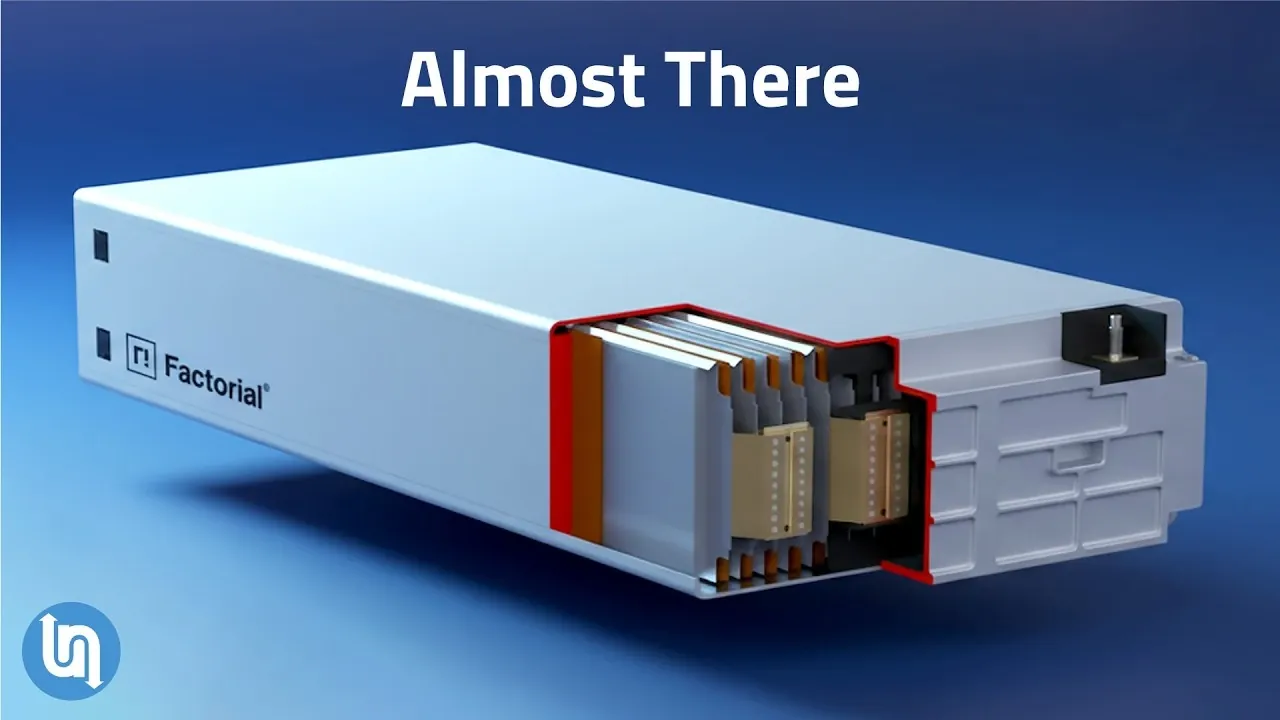
Imagine an electric vehicle that charges in minutes, travels hundreds of miles on a single charge, and eliminates the risk of battery fires. This is the promise of solid-state batteries, a technology often hailed as the holy grail of energy storage. Yet, despite decades of research and billions in investment, these batteries remain tantalizingly out of reach for most consumers. Why? The road to commercialization is riddled with technical hurdles, from dendrite formation to temperature sensitivity, not to mention the astronomical costs of scaling up production. As automakers and tech giants race to overcome these challenges, the question remains: just how close are we to unlocking this innovative technology?
In this exploration, Matt Ferrell unpacks the current state of solid-state batteries, from their innovative potential to the obstacles holding them back. You’ll discover the latest breakthroughs from industry leaders like QuantumScape and Mercedes-Benz, as well as the critical differences between all-solid-state and semi-solid-state designs. But innovation comes with complexity, and the timeline for mass adoption may be longer than you think. Whether you’re an EV enthusiast, a tech aficionado, or simply curious about the future of energy, this deep dive will illuminate where we stand, and what’s next, in the race toward safer, more efficient batteries. The answers may surprise you.
Solid-State Battery Progress
TL;DR Key Takeaways :
- Solid-state batteries replace liquid electrolytes with solid materials, offering potential advantages like enhanced safety, higher energy density, and longer lifespan, but face significant technical and manufacturing challenges.
- Recent advancements include breakthroughs by companies like Mercedes-Benz, MG, QuantumScape, Solid Power, and SK On, though most innovations remain in testing or limited production phases.
- Key challenges to commercialization include dendrite formation, solid electrolyte interphase (SEI) degradation, temperature sensitivity, and the high cost of scaling up production processes.
- Semi-solid-state batteries are emerging as a practical interim solution, offering some benefits of solid-state technology while being closer to market readiness.
- Mass adoption of solid-state batteries in electric vehicles is unlikely before the early 2030s, with incremental advancements expected to improve EV performance in the meantime.
What Are Solid-State Batteries?
Solid-state batteries differ fundamentally from traditional lithium-ion batteries by replacing liquid electrolytes with solid materials. This design offers several potential advantages, including enhanced safety, higher energy density, and longer lifespan. However, not all solid-state batteries are created equal, and understanding their variations is crucial.
- All-solid-state batteries (ASSBs): These use entirely solid components, including the electrolyte, offering the most advanced design in terms of safety and energy density.
- Semi-solid-state batteries: These incorporate a mix of solid and liquid electrolytes, serving as a hybrid solution that balances innovation with practicality.
The distinction between these types is significant. Some companies market semi-solid-state batteries as fully solid-state, which can create confusion and mislead consumers about the true state of technological progress. Clear definitions and standards are essential for evaluating advancements in this field.
Recent Developments in Solid-State Technology
In recent years, several companies have made notable strides in solid-state battery development, showcasing their potential to transform EV performance. These advancements highlight the growing interest and investment in this technology.
- Mercedes-Benz: Partnering with Factorial Energy, Mercedes-Benz demonstrated a vehicle capable of traveling 749 miles on a single charge using a solid-state battery, a significant leap in range capabilities.
- MG: The automaker has introduced a semi-solid-state battery-powered vehicle, now available for pre-order in China, marking one of the first commercial applications of this technology.
- QuantumScape: Known as an industry leader, QuantumScape unveiled its QSE5 battery, which offers fast charging and high energy density. However, it remains in the pilot production phase, with broader commercialization still years away.
- Solid Power and BMW: Their collaboration focuses on developing sulfide-based batteries, which could lower production costs while maintaining performance standards.
- SK On: This company is advancing its solid-state technology with plans for commercialization by the late 2020s, reflecting the industry’s long-term commitment to innovation.
These developments underscore the potential of solid-state batteries to improve EV range, charging speed, and energy density. However, most of these innovations are still in testing or limited production, far from the scale required for widespread adoption.
How Close Are We to Solid-State Batteries?
Dive deeper into energy with other articles and guides we have written below.
- Rain-Powered Energy : 100,000x More Electricity from Rain
- Onshore Wave Energy: A Sustainable Solution to Harness Ocean
- How Regenerative Tech is Reducing Energy Waste and Costs
- Top 5 Smart Home Gadgets That Actually Lower Your Energy Bill
- Wave Energy : The Future of Clean, Reliable Renewable Energy
- Samsung SmartThings Energy manages energy usage
- Samsung Unveils Cutting Edge Energy Efficient Appliances
- Orison Home Energy Storage System (video)
- Why Sodium-Ion Batteries Are the Future of Energy Storage
Challenges to Commercialization
Despite their promise, solid-state batteries face significant challenges that must be addressed before they can achieve mass-market adoption. These obstacles fall into two primary categories: technical limitations and manufacturing scalability.
- Dendrite formation: Lithium metal deposits can penetrate the solid electrolyte, causing short circuits and compromising battery reliability. This issue remains one of the most critical technical hurdles.
- Solid electrolyte interphase (SEI) degradation: The SEI layer, which forms between the electrolyte and electrode, is essential for battery performance but can degrade over time, reducing efficiency and lifespan.
- Temperature sensitivity: Many solid electrolytes struggle to perform efficiently across a wide range of temperatures, limiting their practicality for real-world applications.
On the manufacturing side, scaling up production presents its own set of challenges. Producing solid-state batteries requires entirely new processes and specialized equipment, both of which are costly and time-intensive to develop. Additionally, the industry has yet to reach a consensus on the best solid electrolyte material. Options such as sulfides, oxides, and polymers each offer unique advantages and drawbacks, adding complexity to the production process. These factors collectively contribute to the slow pace of commercialization.
Consumer Benefits and Industry Outlook
For consumers, the appeal of solid-state batteries lies in their potential to deliver faster charging, longer range, and enhanced safety. These benefits could significantly improve the convenience and reliability of EVs, making them more attractive to a broader audience. However, it is important to note that some of these advantages are already being realized through semi-solid-state designs. Vehicles like the MG4 and Mercedes EQS demonstrate that meaningful improvements can be achieved without fully transitioning to solid-state technology.
Looking ahead, the timeline for mass production remains uncertain. Companies such as Nissan and SK On have set ambitious targets for commercialization by 2028 and 2029, respectively. However, many experts believe these projections may be overly optimistic. Realistically, widespread adoption of solid-state batteries in EVs is unlikely before the early 2030s. In the meantime, incremental advancements in battery technology will continue to shape the EV market, gradually improving performance and accessibility.
Media Credit: Undecided with Matt Ferrell
Disclosure: Some of our articles include affiliate links. If you buy something through one of these links, Geeky Gadgets may earn an affiliate commission. Learn about our Disclosure Policy.
