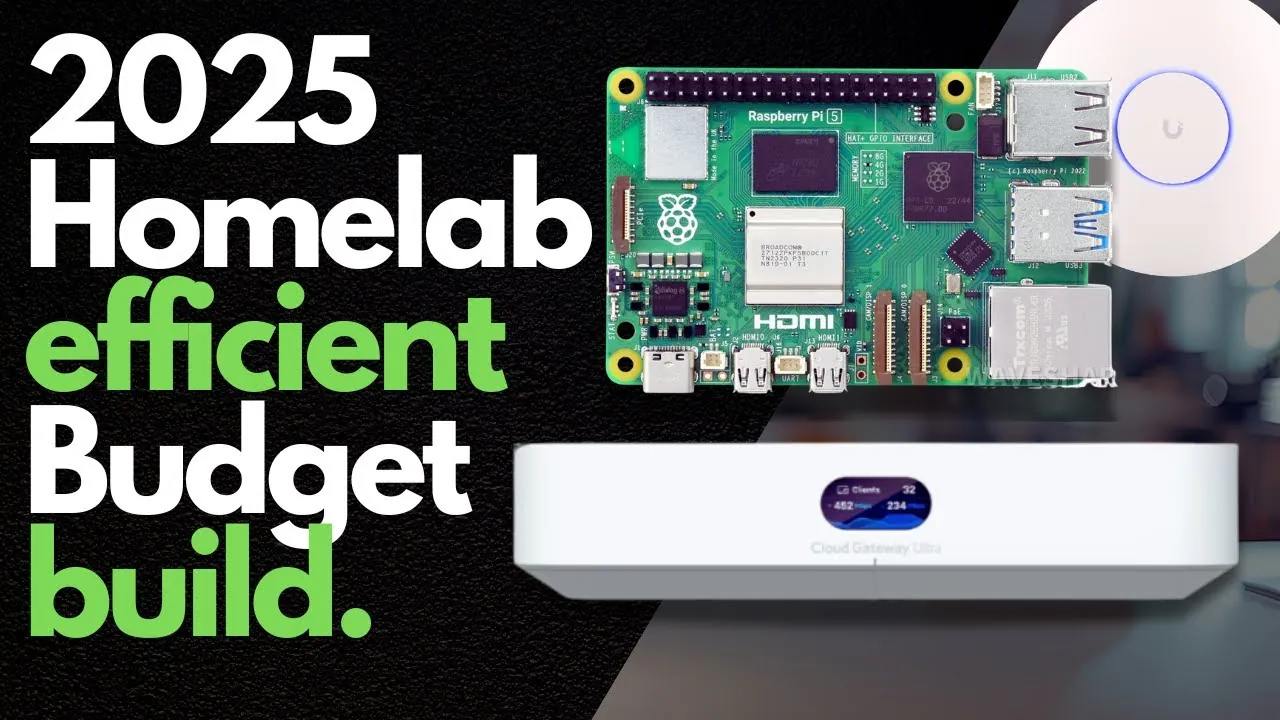
Have you ever wondered if your home network could do more—without guzzling electricity or breaking the bank? Imagine a setup where your devices hum along efficiently, your network is secure and segmented, and automation takes care of repetitive tasks—all while keeping your energy footprint minimal. The truth is, you don’t need a sprawling, power-hungry server farm to achieve this. With the right mix of low-power hardware and smart configurations, you can build a home lab that’s not only high-performing but also sustainable and cost-effective. Whether you’re an AI enthusiast, a networking hobbyist, or simply someone who loves tinkering with tech, the possibilities are endless.
In this overview, Hill Phantom explore how to design a home lab that balances efficiency, functionality, and scalability. You’ll discover why energy-efficient devices like Raspberry Pis are fantastic options, how VLANs can boost your network’s security and organization, and why repurposing old hardware is both practical and eco-friendly. We’ll also touch on the UniFi ecosystem and its ability to simplify network management for users of all skill levels. By the end, you’ll have a roadmap to create a setup that’s as powerful as it is mindful—proof that practicality can outshine extravagance. What could your home lab achieve if it worked smarter, not harder?
Energy-Efficient Home Lab Tips
TL;DR Key Takeaways :
- Prioritize energy efficiency by using low-power devices like Raspberry Pis and repurposing older hardware to reduce costs and environmental impact.
- Make smart hardware choices, such as using affordable and energy-efficient devices like UniFi Cloud Key and repurposed laptops, to build a cost-effective home lab.
- Enhance network security and performance by implementing VLANs to segment devices into trusted, untrusted, IoT, and default zones, reducing vulnerabilities.
- Maximize hardware utility by using dual-purpose devices, such as gaming PCs for both entertainment and computational tasks, and extending the lifespan of older equipment.
- Focus on practicality and future-proofing by starting small, scaling as needed, and investing in adaptable, energy-efficient hardware to maintain a sustainable home lab setup.
The Importance of Energy Efficiency
Energy efficiency is a critical consideration when designing your home lab. High-power systems may deliver impressive performance, but they come with significant drawbacks, such as increased electricity costs and a larger carbon footprint. Instead of prioritizing raw power, adopting a more sustainable and practical approach can yield better long-term results.
For example, low-power devices like Raspberry Pis are excellent for hosting applications without consuming excessive energy. These compact and versatile devices allow you to maintain a reliable and functional setup while reducing your environmental impact. By prioritizing energy-efficient hardware, you can achieve a balance between performance and sustainability.
Smart Hardware Choices for a Cost-Effective Setup
Building a home lab that is both cost-effective and efficient does not require sacrificing performance. Thoughtful hardware choices can help you achieve your goals while staying within budget. Consider the following options:
- Raspberry Pi: These compact devices are ideal for running self-hosted applications, such as media servers or home automation tools. Their low power consumption and affordability make them a popular choice for home labs.
- Repurposed Devices: Older hardware, such as outdated laptops or routers, can be reconfigured to serve specific roles in your network. This approach reduces e-waste and extends the lifespan of your devices.
- UniFi Cloud Key Ultra: This device offers a balance between simplicity and performance, providing streamlined network management with robust features and a user-friendly interface.
By using these options, you can create a home lab that is both practical and environmentally conscious.
How to Build an Energy-Efficient Raspberry Pi Home Lab

Stay informed about the latest in Home Labs by exploring our other resources and articles.
- 3 Mini NAS Devices Compared: Speed, Storage, and Performance
- Sunflower Labs autonomous home security drone $9,950
- Aoostar WTR PRO Versatile and Efficient Home Lab Server
- How to Build a Mini Rack for Your Home Lab – Full Guide
- How to use Authentik IDP to secure your homelab with easy access
- Open source Homelab setup files made available by Christian Lempa
- Raspberry Pi PoE+ Hat: High-Speed Networking Made Simple
- Compute Blade rack-mountable ARM cluster
- Virtualization with Xen Orchestra and XCP-ng: The Ultimate Setup
- HexOS Review : Simplifying Home Server Management
Enhancing Security and Performance with VLANs
A well-structured network is essential for maintaining security and optimizing performance. VLANs (Virtual Local Area Networks) allow you to segment your network into distinct zones, improving both organization and security. Common VLAN configurations include:
- Trusted: Reserved for personal devices like laptops and smartphones.
- Untrusted: Designated for guest devices or those requiring limited access.
- IoT: Dedicated to smart home gadgets, which often have weaker security protocols.
- Default LAN: Used for general-purpose devices.
This segmentation isolates sensitive devices from less secure ones, reducing the risk of unauthorized access. Configuring firewall rules between VLANs can further enhance security by controlling how devices communicate across the network. For instance, you can restrict IoT devices from accessing your primary network, minimizing potential vulnerabilities.
Maximizing the Utility of Your Hardware
Dual-purpose hardware can significantly improve the efficiency of your home lab. For example, a gaming PC equipped with a powerful GPU can handle both gaming and computational tasks, such as training machine learning models or running simulations. This approach reduces the need for additional hardware, saving both money and energy.
Repurposing existing devices is another effective strategy. Older routers, switches, or even laptops can often be reconfigured to perform specific roles within your network. By extending the usefulness of these devices, you can reduce waste and optimize your setup without incurring additional costs.
The UniFi Ecosystem: Simplified Network Management
The UniFi ecosystem provides a cohesive solution for managing your home network. With devices such as managed switches, access points, and the UniFi Cloud Key, you can create a streamlined and easily manageable setup. Key advantages of the UniFi ecosystem include:
- Intuitive Software: Simplifies tasks like monitoring traffic, configuring VLANs, and managing connected devices.
- Advanced Gateway Features: Offers tools for optimizing network security and performance.
- Scalability: Enables you to expand your network as your needs evolve.
By adopting the UniFi ecosystem, you can achieve a professional-grade network setup without the complexity of more advanced systems, making it an excellent choice for both beginners and experienced users.
Practicality Over Extravagance
High-end home labs may appear impressive, but they are often unnecessary for most users. Extravagant setups with excessive hardware can be intimidating, costly, and environmentally wasteful. Instead, focus on practicality and functionality. A modest, well-designed home lab can meet your needs without the expense or environmental impact associated with more elaborate systems.
Future-Proofing Your Home Lab
As technology continues to evolve, it is important to ensure your home lab remains adaptable and relevant. Here are some strategies for future-proofing your setup:
- Repurpose Older Hardware: Devices like a PFSense router can be reconfigured to extend their usefulness, reducing the need for new purchases.
- Invest in Energy-Efficient Devices: Select hardware that aligns with your specific requirements while minimizing energy consumption.
- Start Small and Scale: Begin with essential components, such as a Raspberry Pi or a UniFi access point, and expand your setup as your needs grow.
This approach ensures your home lab remains practical, cost-effective, and capable of adapting to future demands.
Building a Sustainable Home Lab
Designing a low-power, high-performance home lab is entirely achievable with thoughtful planning and resourceful choices. By prioritizing energy efficiency, using VLANs for network segmentation, and repurposing existing devices, you can create a sustainable and functional setup. Avoid the temptation of extravagant systems and focus on practicality to build a home lab that meets your needs while remaining environmentally responsible.
Media Credit: HillPhantom
Disclosure: Some of our articles include affiliate links. If you buy something through one of these links, Geeky Gadgets may earn an affiliate commission. Learn about our Disclosure Policy.
