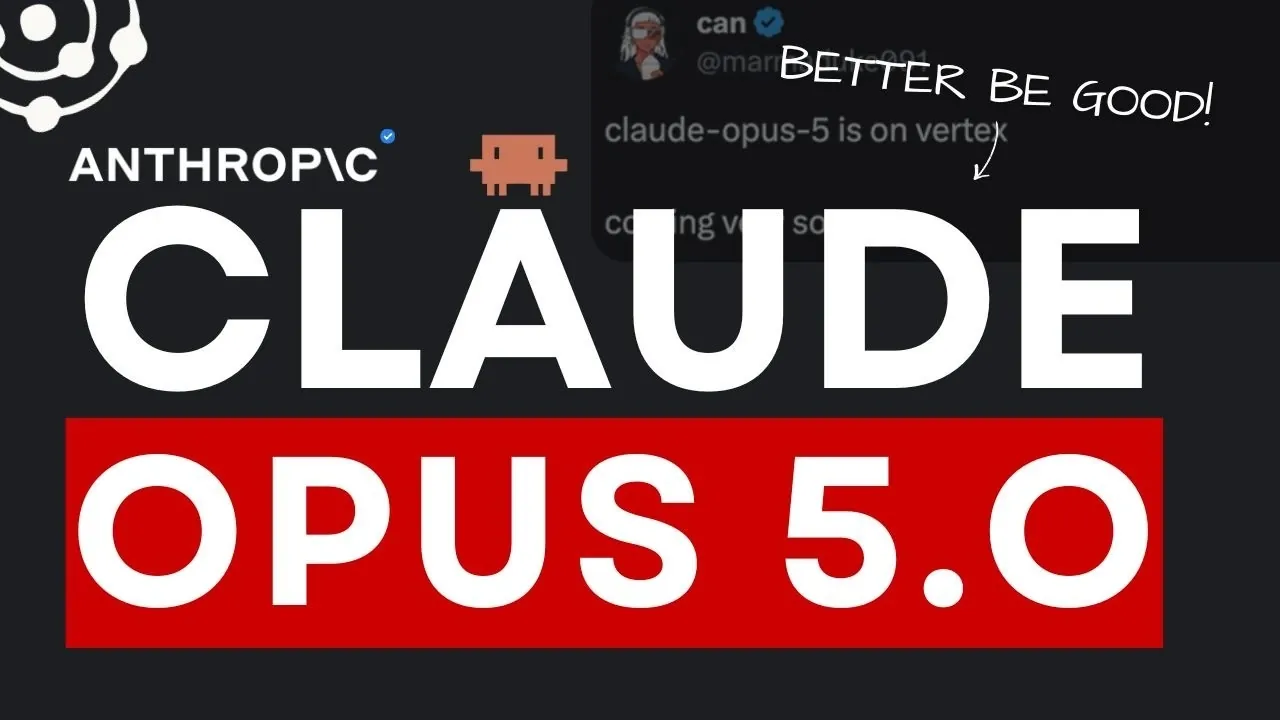
Opus 5, Kimmy K3 and GLM 5.3 represent significant developments in artificial intelligence, each addressing key priorities in the field. According to Universe of AI, Kimmy K3 introduces a 1-million-token context window, allowing it to handle highly detailed and layered tasks that were previously out of reach. Meanwhile, Opus 5 emphasizes token efficiency, aiming to reduce computational costs without sacrificing performance. These advancements highlight ongoing efforts to balance technical capability with practical usability in AI systems.
Dive into how Opus 5 compares to models like GPT-5.6 in terms of efficiency and affordability. Discover the specific challenges Kimmy K3’s extended context window is designed to solve and how it impacts real-world applications. Learn what GLM 5.3’s updates suggest about the trajectory of open source AI and its role in fostering global collaboration.
Opus 5: Redefining Proprietary AI Standards
TL;DR Key Takeaways :
- The AI industry is rapidly advancing with the upcoming releases of Opus 5, Kimmy K3 and GLM 5.2, highlighting fierce competition and innovation focused on efficiency, affordability and functionality.
- Opus 5 aims to set new benchmarks in proprietary AI with enhanced token efficiency and expanded context windows, competing directly with OpenAI’s GPT-5.6.
- Kimmy K3 introduces a new 1-million-token context window, offering a cost-effective alternative to premium models while addressing complex user needs.
- GLM 5.2, an open source model from China, emphasizes cost-efficiency and accessibility, showcasing the growing competitiveness of Chinese AI providers in the global market.
- Key trends shaping AI include token efficiency, expanded context windows, the rise of open source models and the increasing influence of Chinese AI providers, driving innovation and accessibility in the industry.
Opus 5 is poised to set new benchmarks in proprietary AI technology. Expected to debut on the Vertex platform, this model is designed to succeed the retiring Fable 5 while addressing the limitations of its predecessor, Opus 4.8. Positioned as a direct competitor to OpenAI’s GPT-5.6, Opus 5 is generating significant anticipation within the AI community.
Key advancements anticipated in Opus 5 include:
- Enhanced token efficiency, allowing more cost-effective operations for users.
- Expanded context windows, allowing the model to handle increasingly complex and nuanced tasks.
The success of Opus 5 will depend on its ability to deliver measurable improvements in performance and affordability. By addressing user demands for efficiency and functionality, Opus 5 aims to solidify its position as a leader in proprietary AI solutions.
Kimmy K3: Expanding Contextual Capabilities
Launching this week, Kimmy K3 introduces a new 1-million-token context window, a significant leap forward in AI capabilities. Building on the success of Kimmy K2.6, this model is designed to handle intricate and nuanced interactions, making it an attractive option for users requiring advanced functionality.
Kimmy K3 is positioned as a cost-effective alternative to premium models like Fable 5 and GPT-5.6. Its release highlights a broader industry trend: delivering high-performance AI solutions without the premium price tag. By balancing affordability with technological sophistication, Kimmy K3 reflects the growing demand for accessible yet powerful AI tools.

Here are more detailed guides and articles that you may find helpful on Claude Opus.
- Claude Opus 4.8 Leak: Everything We Know About the Next Big AI Update
- How to Automate Multi-Step Tasks with Claude Opus 4.8 Workflows
- The Hidden Strategy Behind Anthropic’s New Claude Opus 4.8 Release
- New Claude Opus 5 Leaks Detail High Reasoning Mode Features
- Why Upgrading to Claude Opus 4.7 Might Break Your Current Prompts
- How Sonnet 4.8 and Opus 4.8 Will Upgrade Your Coding and Vision Workflows
- Claude Opus 4.8 vs ChatGPT 5.5 : a Stepping Stone to Anthropic’s Mythos Series
- Claude Opus 4.7 Leaks & Anthropic’s Full-Stack AI Studio
- Claude Sonnet 4.8 Leaks Reveal About Anthropic’s Next AI Release
- Inside the Opus 4.7 Leak and Anthropic’s Massive Claude Code 2.0 Upgrade
GLM 5.2: China’s Open source Contender
China’s AI sector continues to gain momentum, with GLM 5.2 emerging as a standout open source model. This release highlights the increasing competition between Chinese and Western AI providers, as Chinese labs focus on delivering cost-efficient, high-performance solutions.
The open source nature of GLM 5.2 makes it particularly appealing to developers and organizations seeking flexibility and affordability. By emphasizing infrastructure improvements and accessibility, Chinese AI providers are positioning themselves as formidable players in the global AI market. GLM 5.2’s release not only strengthens China’s presence in the AI sector but also underscores the growing viability of open source models as alternatives to proprietary systems.
Open source Models: Providing widespread access to AI Access
The AI community is abuzz with speculation about the potential release of open source models capable of rivaling proprietary systems like Fable 5. If these models emerge later this year, they could provide widespread access to access to advanced AI, empowering smaller organizations and independent developers to use innovative technology.
However, questions remain about whether these open source alternatives can match the performance, reliability and support offered by proprietary models. Their success will depend on achieving a balance between capability and accessibility, making sure that users can benefit from advanced AI without compromising on quality or functionality.
OpenAI’s Strategic Updates: Efficiency in Focus
OpenAI continues to refine its offerings, with GPT-5.6 achieving competitive performance while reducing token usage, a critical improvement in an industry increasingly focused on efficiency. OpenAI’s platforms, such as Codex and Chat GPT Work, have also experienced significant growth, now boasting 8 million active users.
To meet rising demand, OpenAI has temporarily increased usage limits, though long-term sustainability remains a priority. These updates reflect OpenAI’s commitment to enhancing user satisfaction while maintaining operational efficiency. By prioritizing cost-effective solutions and user-centric improvements, OpenAI is reinforcing its position as a leader in the AI space.
Key Trends Shaping the Future of AI
The rapid pace of innovation in the AI industry is driven by several key trends that are reshaping its trajectory:
- Token efficiency is emerging as a critical metric for cost-effective AI solutions, allowing users to achieve more with fewer resources.
- Context window expansion is unlocking new possibilities for handling complex and nuanced interactions, enhancing the versatility of AI models.
- Open source models are gaining traction as viable alternatives to proprietary systems, offering greater flexibility and accessibility.
- Chinese AI providers are challenging Western dominance by delivering competitive, high-performance solutions at lower costs.
As user expectations continue to evolve, the pressure to innovate will drive further advancements, making sure that the AI industry remains dynamic and competitive. These trends highlight the ongoing efforts to balance efficiency, affordability and capability in response to growing demand.
The Road Ahead
The upcoming releases of Opus 5, Kimmy K3, and GLM 5.2 represent pivotal moments in the evolution of the AI industry. These models exemplify the relentless pursuit of innovation, as developers strive to meet the demands of a rapidly changing technological landscape. Whether through proprietary breakthroughs or open source advancements, the future of AI promises to deliver increasingly powerful tools that will transform how you work, create and interact with technology. As the race accelerates, the opportunities for users to harness the potential of AI are expanding, offering new possibilities for growth and innovation.
Media Credit: Universe of AI
Disclosure: Some of our articles include affiliate links. If you buy something through one of these links, Geeky Gadgets may earn an affiliate commission. Learn about our Disclosure Policy.
