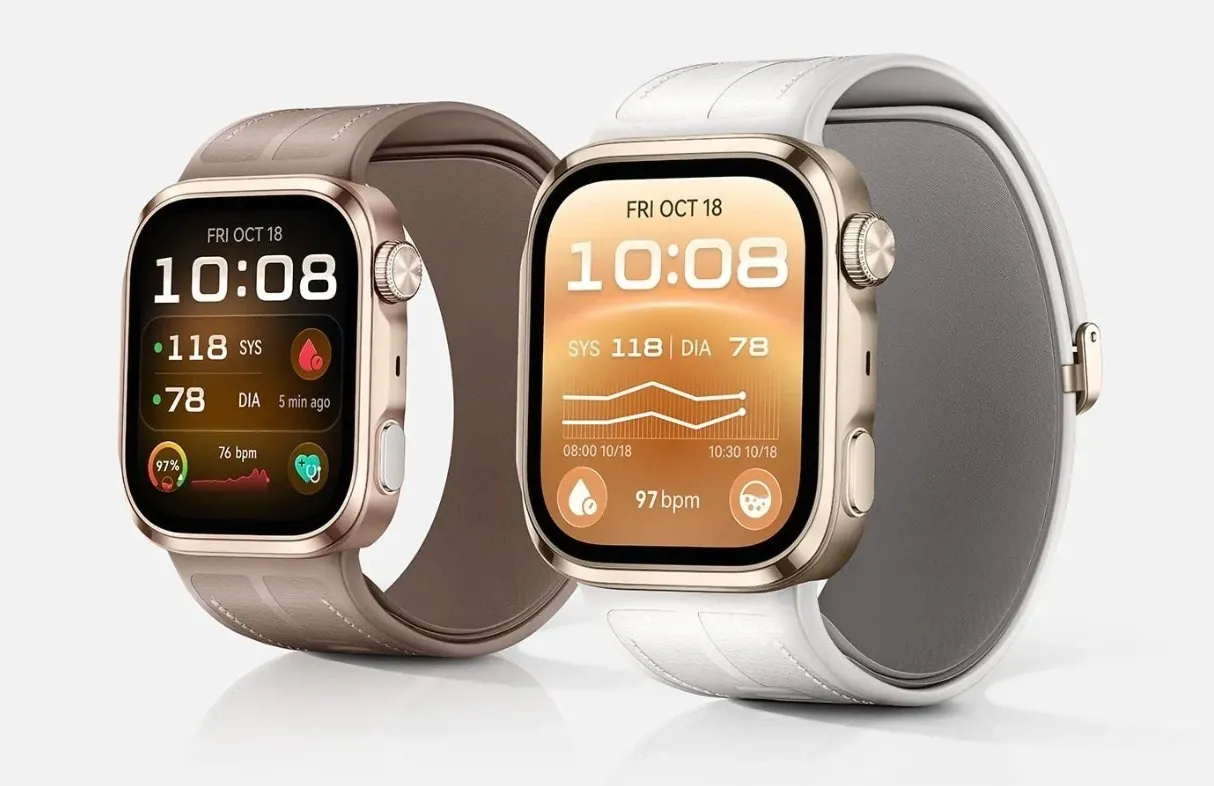
The Huawei Watch D3 introduces a wrist-based blood pressure monitoring system that incorporates an inflatable cuff, aiming to bridge the gap between convenience and accuracy. Unlike many wearables that rely on indirect methods like heart rate waveform estimation, the D3 employs direct pressure measurements to calculate systolic and diastolic values. In a detailed evaluation by The Quantified Scientist, the device’s performance was compared against traditional monitors, revealing that while diastolic readings showed reasonable consistency, systolic measurements were less reliable, particularly for users with elevated blood pressure. This raises important questions about its suitability for precise health tracking.
Explore how the Huawei Watch D3 performs under different conditions, including its ability to provide continuous 24-hour monitoring and its potential for tracking nocturnal hypertension. You’ll also gain insight into the device’s strengths, such as its compact design and ease of use, alongside its limitations, including sensitivity to wrist positioning and movement. By the end of this assessment, you’ll have a clearer understanding of whether the D3 aligns with your health monitoring needs or if traditional devices remain the better option for clinical-grade accuracy.
Huawei Watch D3 Features
TL;DR Key Takeaways :
- The Huawei Watch D3 introduces wrist-based blood pressure monitoring with an innovative inflatable cuff, aiming for improved accuracy and 24-hour tracking.
- It offers strengths like reliable diastolic measurements, a compact design and automatic nighttime monitoring, useful for detecting nocturnal hypertension.
- Limitations include inconsistent systolic readings, sensitivity to wrist positioning and unvalidated performance during physical activity.
- While suitable for tracking general blood pressure trends, it falls short of clinical-grade precision, making it less ideal for users with critical health needs.
- The device is best for individuals prioritizing convenience and trend tracking, but traditional upper-arm monitors remain the gold standard for accuracy.
The Huawei Watch D3 distinguishes itself through its unique integration of inflatable cuff technology into a compact, wearable design. Unlike many wrist-based devices that rely solely on heart rate waveform estimation, the D3 employs direct pressure measurements to determine systolic and diastolic blood pressure. This approach aims to enhance accuracy while maintaining the convenience of a smartwatch. Key features include:
- 24-hour monitoring: The device offers manual daytime readings and automatic nighttime tracking, making it suitable for continuous use.
- Improved design: Compared to its predecessors, the D1 and D2, the D3 features a more refined design that enhances usability and comfort.
- Convenience: The integration of advanced technology into a lightweight, wearable form factor ensures functionality without sacrificing portability.
These features position the Huawei Watch D3 as a promising option for users seeking a convenient way to monitor their blood pressure trends over time.
How Does It Compare to Traditional Devices?
To evaluate its accuracy, the Huawei Watch D3 was tested against two reference devices: the Omron upper-arm monitor and the Beurer wrist-based monitor. Multiple measurements were taken and median values were analyzed to assess consistency and reliability. The findings revealed both strengths and areas for improvement:
- Diastolic readings: The D3 demonstrated a reasonable correlation with reference devices, though its readings tended to be slightly higher.
- Systolic readings: These were less consistent, particularly for individuals with elevated blood pressure levels, highlighting a potential limitation in accuracy.
- Overall performance: Approximately 80% of the D3’s readings fell within 10 mmHg of the reference devices, indicating potential for general monitoring but falling short of clinical-grade precision.
While the D3 shows promise in certain areas, its performance does not yet match the reliability of clinically validated upper-arm monitors, particularly for users requiring precise measurements.

Check out more relevant guides from our extensive collection on smart watches that you might find useful.
- What to Expect from the Apple Watch Ultra 4
- Planning to Buy an Apple Watch Ultra? New Ultra 4 Leaks Say You Should Wait
- Apple Watch Ultra 4 Leaks Point to the Lineup’s First Major Redesign
- Apple Watch Series 12 Leak: New Chip and Biggest Battery Upgrade
- Iconic Casio F-91W watch converted into a smartwatch
- Samsung Galaxy Fit 4 is Expected to Launch in Late 2026
- TshWatch DIY smart watch using ESP32-PICO-D4 Module
- O Watch Arduino Smartwatch Created By 8 Year Old, Launching In Kit Form (video)
- What are the differences between LED vs OLED vs MicroLED
- Apple’s $2,000 iPhone Ultra Drops Face ID for a Slimmer Fold
Strengths and Limitations of the Huawei Watch D3
The Huawei Watch D3 offers several advantages that make it an appealing option for general health monitoring. However, it also faces notable challenges that may limit its suitability for certain users.
- Strengths: The device provides reliable diastolic measurements, features a compact and user-friendly design and enables users to track blood pressure trends over time. Its automatic nighttime monitoring is particularly useful for identifying nocturnal hypertension.
- Limitations: Inconsistent systolic readings, especially for users with hypertension, remain a concern. Additionally, the device’s accuracy is sensitive to wrist positioning and fit, which may complicate usage for some individuals. Movement during physical activity may also interfere with its performance.
- Uncertain reliability: The D3’s performance during dynamic conditions, such as exercise or other physical activities, has not been fully validated, raising questions about its versatility.
These factors suggest that while the Huawei Watch D3 represents progress in wearable health technology, it may not fully meet the needs of users requiring precise blood pressure management.
Who Can Benefit from the Huawei Watch D3?
The Huawei Watch D3 is best suited for individuals seeking a convenient and lightweight solution for tracking general blood pressure trends rather than those requiring highly accurate, clinical-grade measurements. Its automatic nighttime monitoring feature is particularly valuable for detecting nocturnal hypertension, a condition linked to increased cardiovascular risks. However, for users managing hypertension or other serious health conditions, traditional upper-arm monitors remain the preferred choice.
Practical applications of the Huawei Watch D3 include:
- Trend tracking: Monitoring general blood pressure patterns over time to identify potential health concerns.
- Detecting nocturnal hypertension: Automatic nighttime readings can help users identify elevated blood pressure during sleep, which is often overlooked by conventional daytime monitoring.
- Convenience: Its wearable design makes it an appealing option for users who prioritize portability and ease of use in their health monitoring devices.
While the D3 offers significant convenience, its limitations in accuracy make it less suitable for users with critical blood pressure management needs.
Final Verdict: A Promising Tool with Room for Improvement
The Huawei Watch D3 represents a noteworthy advancement in wearable health technology, combining innovative features such as an inflatable cuff with 24-hour monitoring capabilities. However, its accuracy, particularly for systolic blood pressure, lags behind that of traditional upper-arm monitors. While the D3 shows potential for tracking trends and fluctuations in blood pressure, it is not yet a substitute for clinically validated devices.
Further research and testing across diverse user profiles are essential to determine the Huawei Watch D3’s broader applicability and long-term reliability. For now, it serves as a promising tool for general health monitoring, offering convenience and functionality for users who prioritize trend tracking over precise measurements. However, individuals with critical health needs should continue to rely on established, clinically validated devices for accurate blood pressure management.
Media Credit: The Quantified Scientist
Disclosure: Some of our articles include affiliate links. If you buy something through one of these links, Geeky Gadgets may earn an affiliate commission. Learn about our Disclosure Policy.
