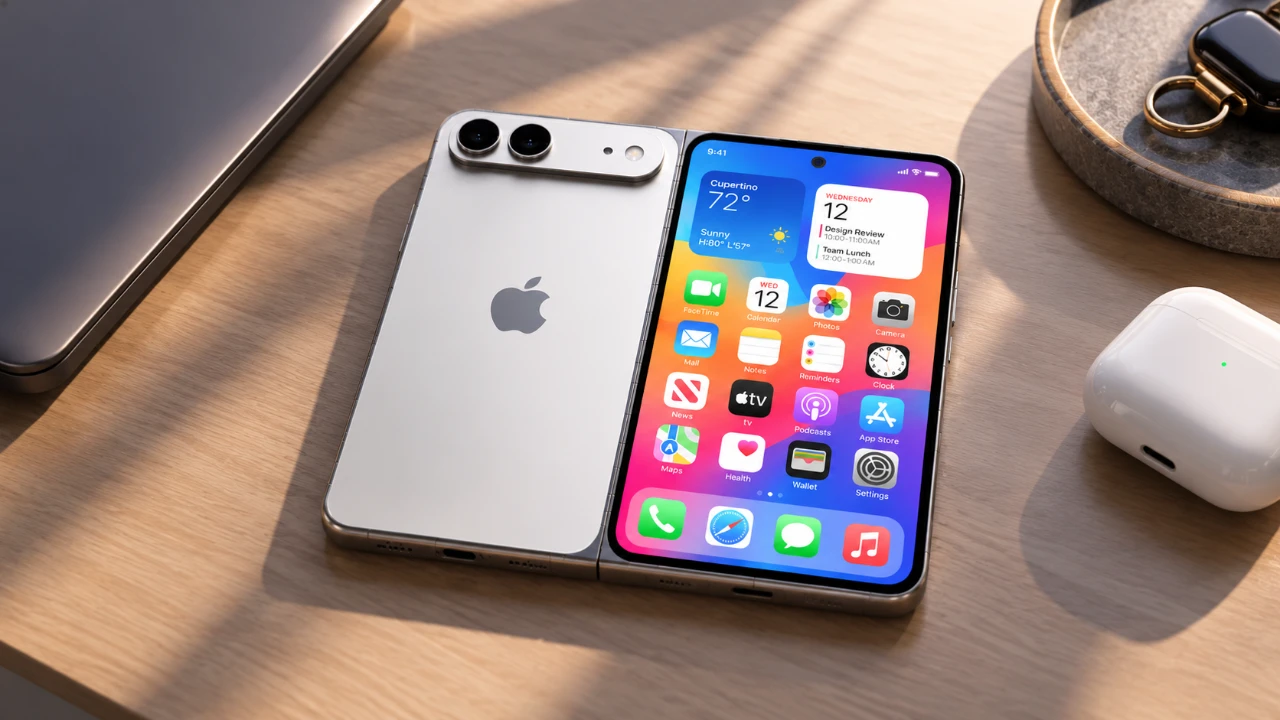
Apple is poised to introduce its most ambitious smartphone to date, a foldable iPhone, potentially named the iPhone Fold or iPhone Ultra. Scheduled for unveiling on September 9, 2026, this device signifies a major leap in both design and functionality. With a starting price exceeding $2,000, it will be Apple’s most expensive iPhone yet. The video below from 9to5Mac explores the key aspects of this highly anticipated device, offering insights into its design, features, and potential trade-offs.

Design and Display: A New Era for iPhones
The foldable iPhone marks a significant departure from traditional smartphone designs, featuring a dual-display setup that redefines usability.
- The outer display measures 5.5 inches diagonally, making it compact and reminiscent of the iPhone 8 Plus.
- The inner display unfolds to a 7-inch diagonal, delivering an experience comparable to an iPad Mini.
The inner screen is constructed from near-crease-free flexible glass, representing a notable advancement in foldable display technology. This design is tailored for multitasking, allowing users to run two apps simultaneously or drag and drop content between them with ease.
While the foldable design offers enhanced functionality, it also introduces challenges. Durability remains a concern, as foldable displays are inherently more susceptible to wear and tear. Although Apple’s flexible glass aims to mitigate these issues, questions about its long-term resilience persist.
Durability and Build: Innovation Meets Uncertainty
To address the structural complexities of a foldable device, Apple has incorporated a liquid metal hinge. This hinge is engineered to:
- Provide enhanced durability and resistance to debris.
- Ensure smooth and reliable folding mechanics over extended use.
Despite these innovations, durability concerns linger. The inner display may still be vulnerable to scratches and impacts and the device might lack an IP rating for water and dust resistance, a standard feature in other high-end iPhones. For a device priced at over $2,000, these potential vulnerabilities could influence consumer confidence.
Features and Functionality: Power and Productivity
The iPhone Ultra is powered by Apple’s latest A20 Pro chip, built on an advanced 2nm process. This innovative processor delivers:
- Exceptional performance, making sure smooth multitasking and app usage.
- Improved power efficiency, optimizing battery life for extended use.
Running on iOS 27, the device is optimized for foldable functionality, offering features such as side-by-side app usage and drag-and-drop multitasking. These capabilities cater to productivity-focused users, making the device particularly appealing for professionals and multitaskers.
Additional features include:
- MagSafe compatibility, allowing seamless integration with existing accessories.
- A USB-C port, though details about its data transfer speeds, whether USB 3.0 or 2.0, remain unclear.
However, the foldable design may present challenges with accessory alignment and fit, potentially impacting usability for some users.
Compromises: Trade-Offs to Consider
While the iPhone Ultra pushes the boundaries of smartphone innovation, it comes with several compromises that may affect its appeal:
- Only two cameras, compared to the triple-camera setups found on other flagship iPhones, which may disappoint photography enthusiasts.
- A thinner form factor, potentially resulting in reduced battery capacity and efficiency.
- Uncertainty regarding Apple Pencil support, which could have enhanced its productivity features.
- Ambiguity surrounding charging speeds and data transfer rates, leaving questions about its competitiveness with other premium devices.
These trade-offs highlight the challenges Apple faces in balancing innovation with practicality, particularly in a first-generation product.
Pricing and Availability: A Premium Investment
The iPhone Ultra is expected to start at $2,300 for the base model, which includes:
- 256GB of storage.
- 12-16GB of RAM, depending on the configuration.
This pricing places the device firmly in the ultra-premium category, making it a significant financial commitment for consumers. The iPhone Ultra is likely to be released a few weeks after the iPhone 18 Pro and Pro Max, providing buyers with a range of options to suit their preferences and budgets.
Unanswered Questions: What We Still Don’t Know
As anticipation builds, several critical details about the foldable iPhone remain unknown:
- The exact dimensions, weight, and thickness of the device when unfolded.
- Whether it will feature Face ID, Touch ID, or a combination of both for biometric security.
- The specifications of the USB-C port, particularly its data transfer capabilities.
These unanswered questions leave room for speculation and could play a significant role in shaping consumer decisions.
A Bold Step Forward for Apple
The foldable iPhone represents a daring move for Apple, combining innovative design with advanced technology. Its dual-display functionality, powerful A20 Pro chip and iOS 27 optimizations position it as a forward-thinking device. However, its high price, durability concerns, and first-generation limitations may deter some potential buyers. For those willing to invest in innovative technology, the iPhone Ultra offers a glimpse into the future of smartphones. Whether it will redefine the market or remain a niche product will depend on how well Apple addresses its compromises and the unanswered questions surrounding its design and functionality.
Below are more guides on iPhone Ultra from our extensive range of articles.
- iPhone Ultra Fold Launch Date Reportedly Confirmed by Leak
- See the First Hands-on Video of the iPhone Fold Ultra
- iPhone Ultra Leaks Reveal 2nm A20 Chip, 12GB RAM, and 4.5mm Chassis
- iPhone Ultra Fold Changes Everything
- New iPhone Ultra Leak Points to Apple’s Biggest Surprise Yet
- Apple’s Secret iPhone Ultra Just Fully Leaked: the First Foldable is Real
Source: 9to5Mac
Disclosure: Some of our articles include affiliate links. If you buy something through one of these links, Geeky Gadgets may earn an affiliate commission. Learn about our Disclosure Policy.
