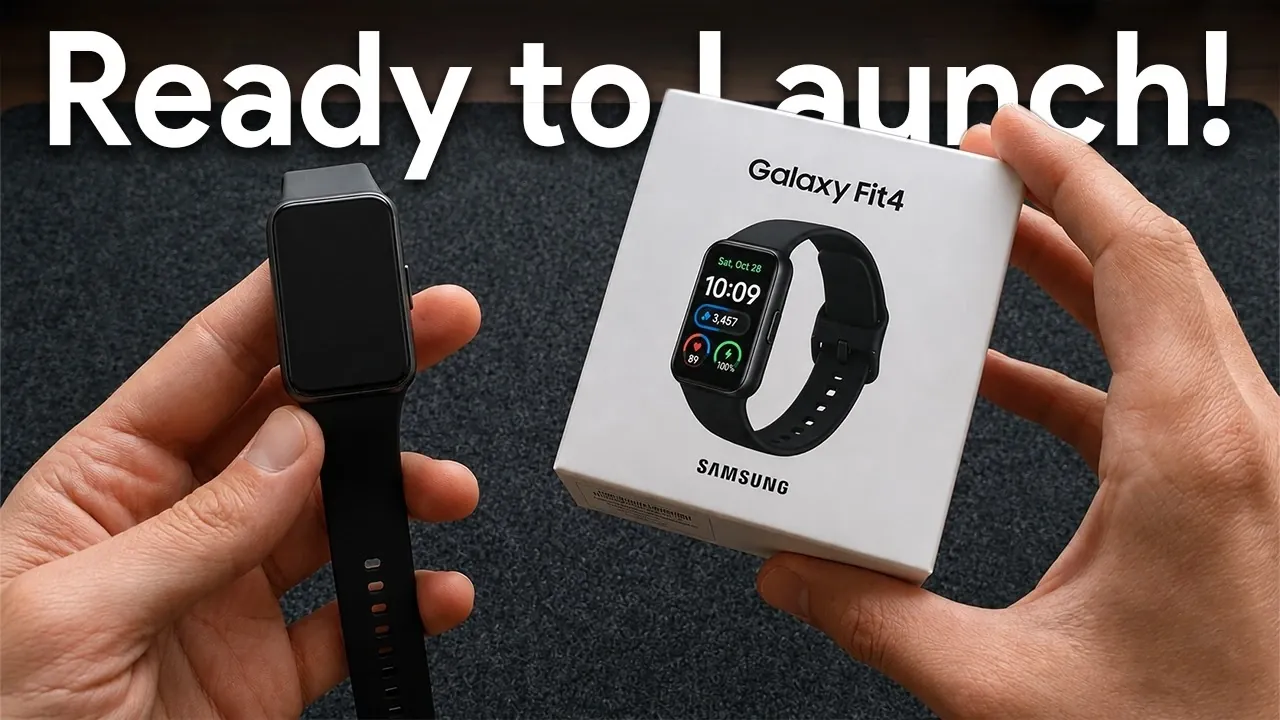
Samsung is preparing to launch the Galaxy Fit 4, its latest entry in the fitness tracker market, building on the foundation of the Galaxy Fit 3 released over two years ago. According to TechAvid, the device recently passed FCC certification, signaling that it is nearing its release, which could occur between late 2026 and early 2027. While the Galaxy Fit 4 does not introduce a radical redesign, it focuses on incremental improvements, such as a centrally positioned optical sensor for accurate health tracking and magnetic charging contacts for added convenience. These updates reflect Samsung’s intent to refine usability while maintaining the simplicity that defines this product line.
Explore how the Galaxy Fit 4 balances affordability and functionality through features like Bluetooth 5.4 connectivity and the integration of the Goodix GH3036 optical sensor for continuous health monitoring. This overview will also examine its expected market positioning as one of Samsung’s most accessible wearables, alongside its design refinements and production strategies. By the end, you’ll gain a clear understanding of what this fitness tracker offers and how it fits into Samsung’s broader ecosystem of devices.
Galaxy Fit 4 Expected Launch Timeline
TL;DR Key Takeaways :
- The Samsung Galaxy Fit 4 is set to launch between late 2026 and early 2027, with FCC certification achieved on August 4, 2023, signaling its readiness for release.
- The device features incremental updates, including a Goodix GH3036 optical sensor for health tracking, Bluetooth 5.4 connectivity and a refined design with magnetic charging and a quick-release strap mechanism.
- It will focus on affordability and simplicity, targeting users seeking a reliable fitness tracker without advanced features like Wi-Fi, LTE, or NFC.
- The Galaxy Fit 4’s battery will be supplied by EVE Energy, with Samsung making sure production flexibility through multiple accessory suppliers.
- Unanswered questions remain about features like built-in GPS, NFC support, battery capacity and final pricing, adding anticipation ahead of its release.
The Galaxy Fit 4 is expected to debut in September 2026, possibly alongside other Samsung products such as the Galaxy S26 FE and the Galaxy Tab S12 series. However, the release could extend into January 2027, depending on the expiration of FCC confidentiality agreements. This staggered timeline suggests that Samsung is strategically aligning the Galaxy Fit 4’s launch with its broader ecosystem of devices, making sure a cohesive rollout of its latest offerings.
FCC Certification: A Step Closer to Release
On August 4, 2023, the Galaxy Fit 4 achieved a significant milestone by receiving FCC certification. This certification is a critical step, confirming that the device meets regulatory standards and is nearing its final stages of development. The hardware version, labeled REV 2.0, indicates that Samsung is testing near-final hardware configurations. This progress underscores Samsung’s readiness to bring the Galaxy Fit 4 to market, with the certification paving the way for its official release.

Advance your skills in Samsung Galaxy Fit by reading more of our detailed content.
- Why the Samsung Galaxy Z TriFold 2 S Pen Changes Everything
- Samsung Unveils Galaxy Smart Glasses with 9-Hour Battery
- Samsung Integrates the Galaxy Ecosystem Into Everyday Eyewear
- Samsung Galaxy Z Roll 5G: The Creaseless Rollable That Could End the Foldable Era
- Samsung Finally Fixed the Fold: First Look at the Z Fold 8 Wide Design
- Samsung Galaxy S27 Ultra Redesign: The Horizontal Camera Bar That Changes Everything
- Apple’s iPhone 18 Pro Camera Upgrade Copies an Old Samsung Feature
- Samsung Galaxy Ring 2 Leaks: a Thinner Design with a Massive Battery Upgrade
Design: Subtle Refinements Over a Familiar Framework
The Galaxy Fit 4 retains much of the design language of its predecessor, the Galaxy Fit 3, while incorporating refinements to enhance functionality and reliability. Key design features include:
- A centrally positioned optical sensor for accurate health tracking.
- Magnetic charging contacts for effortless recharging.
- A quick-release strap mechanism for easy customization and convenience.
- A single physical side button for intuitive navigation and control.
Rather than opting for a complete redesign, Samsung has focused on improving these core elements, making sure the device remains user-friendly and dependable.
Health and Connectivity Features
The Galaxy Fit 4 is expected to feature the Goodix GH3036 optical sensor, a low-power, continuous health monitoring solution. This sensor enables essential features such as heart rate tracking, sleep analysis, and other health metrics, catering to both fitness enthusiasts and casual users.
Connectivity will rely on Bluetooth 5.4, which offers improved energy efficiency and seamless compatibility with a wide range of devices. However, based on FCC documentation, the Galaxy Fit 4 does not appear to include advanced connectivity options such as Wi-Fi, LTE, ultra-wideband, or NFC. While this may limit its functionality compared to higher-end wearables, it aligns with Samsung’s focus on simplicity and affordability for this product line.
Battery and Manufacturing Insights
The Galaxy Fit 4’s battery will be supplied by EVE Energy, a trusted partner in Samsung’s supply chain. While specific battery capacity details remain undisclosed, Samsung’s collaboration with multiple suppliers for charging accessories highlights its commitment to making sure production flexibility and widespread availability. This approach reflects Samsung’s strategy to maintain a robust and reliable supply chain for its wearable devices, minimizing potential delays or shortages.
Pricing and Market Positioning
Samsung is expected to position the Galaxy Fit 4 as one of its most affordable wearables, continuing the pricing strategy seen with previous models. By offering a balance between cost and functionality, the Galaxy Fit 4 aims to make fitness tracking accessible to a broader audience. This pricing approach is likely to appeal to users seeking a reliable, no-frills fitness tracker without the premium price tag of more advanced smartwatches.
Unanswered Questions and Speculations
Despite the available details, several aspects of the Galaxy Fit 4 remain unclear, leaving room for speculation. Key questions include:
- Will the device feature built-in GPS for location tracking?
- What is the exact battery capacity, and how will it compare to its predecessor?
- Will NFC support be included for contactless payments or other advanced functionalities?
- What will the final pricing be and how will it compare to competitors in the same category?
These unanswered questions add an element of intrigue as the release date approaches, keeping potential buyers and industry observers eager for more information.
A Thoughtful Evolution in Fitness Tracking
The Samsung Galaxy Fit 4 represents a measured evolution of its predecessor, focusing on refining core features rather than introducing dramatic changes. By maintaining an affordable price point and prioritizing simplicity, the Galaxy Fit 4 is designed to appeal to a wide range of users, from fitness enthusiasts to those seeking a straightforward, reliable wearable.
As its launch nears, the Galaxy Fit 4 is poised to strengthen Samsung’s position in the competitive wearables market, offering a practical and accessible solution for everyday health and fitness tracking.
Media Credit: TechAvid
Disclosure: Some of our articles include affiliate links. If you buy something through one of these links, Geeky Gadgets may earn an affiliate commission. Learn about our Disclosure Policy.
