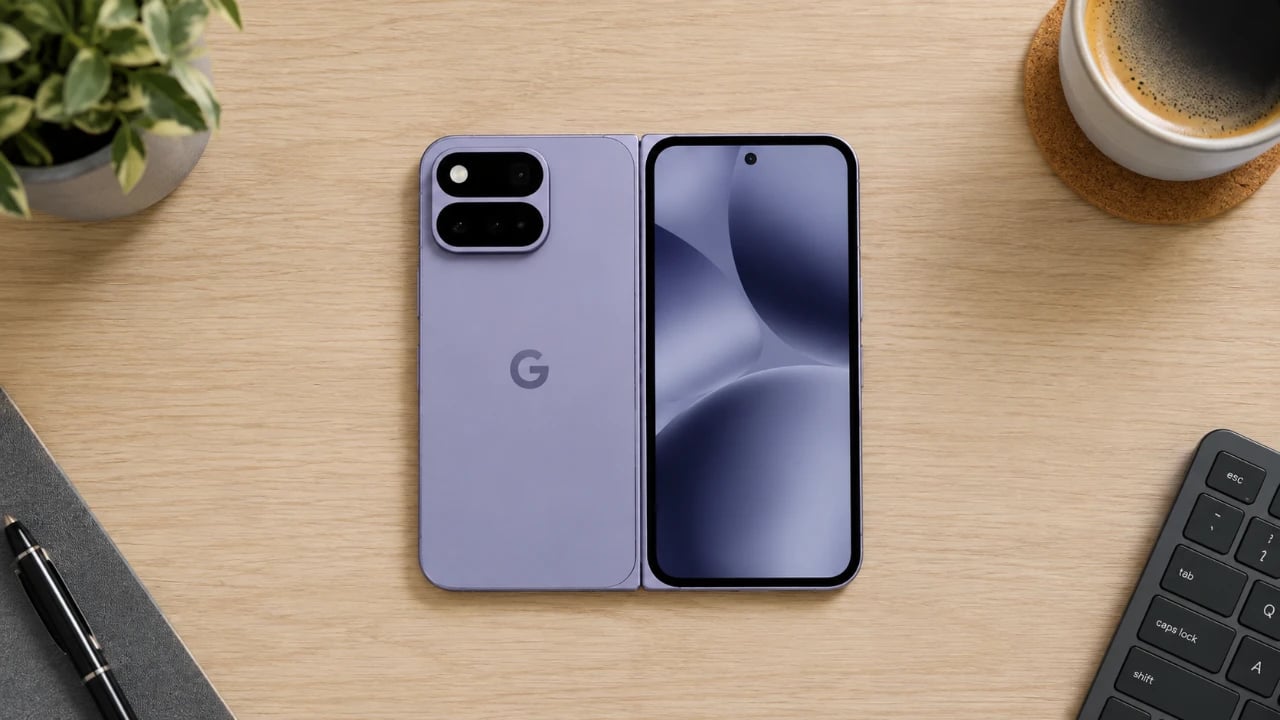
The Google Pixel 11 series, which includes the Pixel 11, Pixel 11 Pro, and Pixel 11 Pro Fold, represents Google’s latest effort to compete in the ever-evolving smartphone market. Among these, the Pixel 11 Pro Fold stands out with its foldable design and a promise of seven years of software updates. This ambitious device aims to combine innovation with practicality, but concerns about its performance, particularly due to the Tensor G6 processor, cast doubt on its ability to rival flagship devices powered by Snapdragon processors. The video below from GregglesTV gives us more details about the new Pixel smartphones.

Processor Performance: A Recurring Concern
At the heart of the Pixel 11 Pro Fold lies Google’s Tensor G6 processor, designed to optimize the Android experience. While it performs well for basic tasks, its limitations become evident when compared to the Snapdragon 8 Gen 3 processors found in competitors like the Samsung Galaxy Z Fold 8 Ultra.
The Tensor G6 processor faces several challenges:
- Lower benchmark scores in both single-core and multi-core performance, which impact its ability to compete with flagship devices.
- Struggles with demanding applications and resource-intensive games, leading to noticeable slowdowns under heavy workloads.
- Concerns about future-proofing, as the processor may struggle to handle increasingly complex software requirements over time.
These performance gaps raise questions about the device’s long-term viability, especially for users who prioritize speed and power in their smartphones.
Everyday Usability: Strengths and Weaknesses
The Pixel 11 Pro Fold is equipped with 16GB of RAM, allowing smooth multitasking and a seamless Android experience for everyday activities such as browsing, messaging and video streaming. However, its performance falters when pushed to its limits.
Key usability challenges include:
- Gaming limitations: The device can only handle medium settings for most games, with noticeable frame drops during extended sessions.
- Thermal issues: Overheating is reported during prolonged gaming or video recording, which can impact overall performance and user comfort.
- Camera reliability: Users have reported instances of the camera freezing, disrupting the experience during critical moments.
While the Pixel 11 Pro Fold excels in handling routine tasks, these shortcomings may disappoint users who expect a premium experience from a high-end device.
Foldable Design: Innovation with Unrealized Potential
The foldable design of the Pixel 11 Pro Fold is one of its most appealing features, offering a larger screen that enhances multitasking, productivity and media consumption. This design reflects the growing demand for versatile smartphones that adapt to various user needs. However, the device’s hardware struggles to fully use the advantages of its foldable display.
In comparison, competitors like the Galaxy Z Fold series deliver a more cohesive integration of hardware and software, making sure a smoother and more reliable experience. The Tensor G6 processor, unfortunately, limits the Pixel 11 Pro Fold’s ability to compete in this space, leaving its innovative design somewhat undermined by performance constraints.
Longevity and Software Updates: A Mixed Blessing
Google’s commitment to providing seven years of software updates is a standout feature of the Pixel 11 series. This ensures users will receive the latest Android features, security patches and bug fixes for an extended period, offering peace of mind for those investing in the device.
However, this long-term support raises a critical question: can the Tensor G6 processor sustain acceptable performance over such a lengthy lifespan? As apps and games become more demanding, the processor’s current limitations could lead to a diminished user experience, even with regular updates. This creates a paradox where the promise of longevity may be undermined by hardware that struggles to keep up with evolving software requirements.
Pricing and Market Competition: A Tough Battle
The Pixel 11 Pro Fold is priced competitively with flagship devices such as the iPhone 15 Pro Max and Galaxy S26 Ultra. While it offers a unique foldable design and a smooth Android experience, its performance shortcomings make it a challenging choice in the premium smartphone market.
Competitors in this price range offer several advantages:
- Superior processing power: Snapdragon processors deliver faster and more reliable performance.
- Better thermal management: Devices like the Galaxy Z Fold 8 Ultra handle heat more efficiently, making sure sustained performance.
- Enhanced hardware reliability: Flagship alternatives are better equipped to handle demanding tasks and intensive workloads.
For many users, these advantages outweigh the Pixel 11 Pro Fold’s unique features, making it a less compelling option for those seeking a high-end smartphone experience.
Future Improvements: Addressing Key Weaknesses
To remain competitive in the foldable smartphone market, Google may need to reconsider its reliance on Tensor processors. Transitioning to industry-standard chips like Snapdragon or MediaTek could resolve several performance issues, including:
- Improved gaming performance: A more powerful processor would enable smoother gameplay at higher settings.
- Better thermal efficiency: Enhanced heat management would prevent overheating during intensive tasks.
- Increased hardware reliability: Addressing current issues such as camera freezing would improve the overall user experience.
Additionally, optimizing the foldable design to fully capitalize on its potential and making sure seamless integration of hardware and software should be priorities for future iterations of the Pixel series.
Balancing Innovation and Practicality
The Google Pixel 11 Pro Fold represents an ambitious step forward in the foldable smartphone market, combining a unique design with a commitment to long-term software support. However, its reliance on the Tensor G6 processor limits its potential, particularly in areas such as gaming performance, thermal management and overall hardware reliability. While the device excels in everyday usability and multitasking, its shortcomings make it less competitive against flagship alternatives with more robust hardware.
For users seeking a truly premium smartphone experience, the Pixel 11 Pro Fold may fall short of expectations. To secure its place in the market, Google must address these challenges in future releases, making sure a more balanced and reliable device that meets the demands of modern users.
Deep dive into the latest in Google Pixel 11 Pro Fold by exploring our other resources and articles.
- Pixel 11 Pro Fold Video Teaser Proves Leaks Right About Google’s Next Flagship
- Google Pixel 11 Pro Fold Leak Reveals the Thinnest Pixel Fold Yet
- Google Pixel 11 Pro Fold Launch Date and Price Reportedly Set
- Google Pixel 11 Pro Fold: Leaks, Specs, Tensor G6 and Everything We Know
- Why the Google Pixel 11 Could Be the Ultimate Smartphone Comeback
Source & Image Credit: GregglesTV
Disclosure: Some of our articles include affiliate links. If you buy something through one of these links, Geeky Gadgets may earn an affiliate commission. Learn about our Disclosure Policy.
