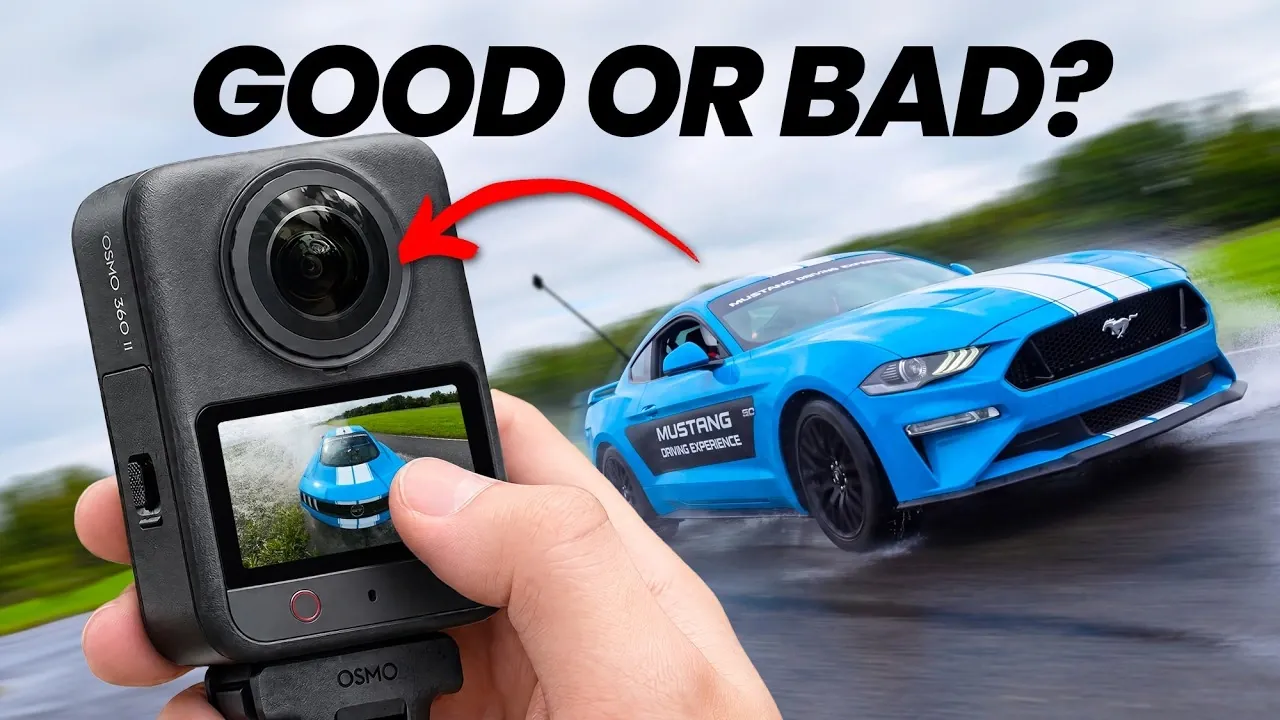
The DJI Osmo 360 II takes the familiar design of its predecessor and refines it with targeted upgrades that cater to both casual and professional creators. Drone Creative highlights key enhancements such as the improved dynamic range, now extended to 14.5 stops, and the addition of a second-generation Super Night mode for better low-light performance. These changes, combined with practical updates like a more visible red record button and wind noise reduction on the rear microphone, aim to balance usability with advanced functionality. While the core design remains largely unchanged, these refinements make the Osmo 360 II a compelling option for those seeking a reliable 360-degree camera.
Dive into this hands-on review to explore how the Osmo 360 II performs in real-world scenarios. You’ll gain insight into its 8K video capabilities, including the trade-offs between 30fps and 60fps shooting modes and discover how features like HDR photography and 240fps slow motion expand creative possibilities. Additionally, learn about the practical benefits of its scratch-resistant lenses and NFC pairing, as well as the limitations that might affect your workflow. This breakdown will help you determine whether the Osmo 360 II aligns with your specific content creation needs.
Design: Familiar Yet Refined
TL;DR Key Takeaways :
- The DJI Osmo 360 II offers significant upgrades in image quality, including extended dynamic range (14.5 stops), improved low-light performance and 8K video at 30fps, though 60fps struggles in darker scenes.
- Enhanced usability features include a red record button for better visibility, NFC pairing for faster smartphone connectivity and a wind noise-reducing rear microphone.
- New creative tools like 8K 60fps video, 16K time-lapse and AI-powered Spotlight Follow cater to solo creators and professional-grade content production.
- Durability improvements include replaceable lenses and a scratch-resistant coating, making it ideal for outdoor and action-heavy environments.
- Despite advancements, limitations such as platform-specific features, JPEG-only HDR photos and less robust editing software compared to competitors may deter some users.
The Osmo 360 II maintains the same compact size, lightweight build and intuitive button layout as its predecessor, making sure seamless compatibility with existing accessories. However, subtle yet impactful design updates enhance its practicality:
- Red record button: Improves visibility, especially in fast-paced shooting environments.
- Exposed screws: Assist easier repairs, reducing downtime during intensive use.
- NFC pairing: Enables faster and more reliable smartphone connectivity for quick setup.
- Upgraded rear microphone: Features wind noise reduction for clearer audio capture in outdoor settings.
These refinements strike a balance between familiarity and functionality, making the device more user-friendly without overhauling its core design.
Enhanced Image Quality
The Osmo 360 II introduces significant improvements in image capture, thanks to redesigned sensors, advanced lenses and a more powerful processing chip. These upgrades translate into better performance across various shooting conditions:
- Dynamic range: Extended to 14.5 stops, allowing for greater detail in both highlights and shadows.
- Low-light performance: Enhanced by the second-generation Super Night mode, though the improvements remain subtle.
- 8K video: Delivers impressive results at 30fps in low light, though the 60fps mode occasionally struggles with oversharpening in darker scenes.
These advancements cater to creators who demand high-quality visuals, particularly in challenging lighting scenarios, making the Osmo 360 II a strong contender for professional-grade content creation.

Gain further expertise in DJI Osmo 360 II by checking out these recommendations.
- DJI Osmo 360 II Officially Debuts Today at 8:00 am EDT
- DJI Osmo 360 II Tops Insta360 X6 with 8K 60Fps Video Support
- DJI Osmo 360 II Officially Launches Tomorrow
- DJI Osmo 360 II Offers 8K 60Fps for $499 Over Insta360 X6
- DJI Osmo 360 II Beats Insta360 X6 with 8K 60Fps For $499
- DJI Osmo 360 II Unveils Larger 2,150 mAh Battery Capacity
- DJI Osmo 360 II Adds 16K Time-Lapse for Crisp Sequences
- DJI Osmo 360 II Leaks Reveal a Larger 2150mAh Battery
- DJI Osmo 360 II Leaks Reveal Expected 8K at 60Fps Video
- New DJI Osmo 360 II Leak Points to Enhanced Waterproofing and Original Design
Recording and Photography: Expanding Creative Possibilities
The Osmo 360 II pushes the boundaries of what 360-degree cameras can achieve, introducing features that expand creative opportunities for users:
- 8K video at 60fps: A first for 360 cameras, offering unparalleled resolution and smoothness.
- Slow motion: Upgraded to 4K at 240fps, with a 64x AI-enabled slow-motion feature exclusive to Mac users.
- Time-lapse resolution: Increased to 16K, providing exceptional clarity for dynamic sequences.
- HDR photography: Supports 120MP photos, though limited to JPEG format, which may not satisfy all professional needs.
Despite these advancements, some limitations persist. For instance, the single-lens photo mode remains restricted to a fixed resolution and ultra-wide field of view, which may not suit all creative scenarios.
Durability and Practicality
Durability has been significantly improved, making the Osmo 360 II better suited for demanding environments. Key enhancements include:
- Replaceable lenses: Allow for on-the-spot repairs, minimizing interruptions during shoots.
- Scratch-resistant coating: Lenses are now 150% more resistant to scratches, making sure longevity even in rugged conditions.
These updates enhance the device’s reliability, particularly for creators working in outdoor or action-heavy settings, where durability is crucial.
Features for Solo Creators
The Osmo 360 II introduces innovative tools tailored to the needs of independent content creators, making it a versatile choice for solo projects:
- Dual Recording: Simultaneously captures panoramic video and tracks the user, allowing split-screen or picture-in-picture formats ideal for tutorials and vlogs.
- Spotlight Follow: AI-powered tracking ensures the user remains in frame, replicating the functionality of a gimbal without the need for additional equipment.
These features simplify the content creation process, offering flexibility and ease of use for creators working without a dedicated production team.
Editing and Software: Streamlined but Not Perfect
The updated DJI Mimo app and DJI Studio desktop software aim to enhance the editing experience, offering tools that simplify post-production:
- Faster transfer speeds: Reduce waiting times when moving footage from the camera to a smartphone or computer.
- AI-assisted tools: Streamline tasks such as reframing, subject tracking and one-tap edits, encouraging creative experimentation.
While these updates improve usability, the DJI Studio software still lags behind competitors like Insta360 in terms of advanced features and overall user experience. This may be a drawback for users seeking more robust editing capabilities.
Limitations to Consider
Despite its many strengths, the Osmo 360 II has some limitations that may influence its appeal depending on your specific needs:
- Platform-specific features: Certain capabilities, such as the AI-enabled slow-motion mode, are currently exclusive to Mac users.
- Fixed ultra-wide field of view: Limits flexibility in single-lens low-light photography.
- HDR photo mode: Restricted to JPEG format, which may not meet the standards of professional photographers requiring RAW files.
- Software limitations: While improved, the editing tools still fall short of competitors in terms of advanced functionality and ease of use.
These factors should be carefully weighed when deciding whether the Osmo 360 II aligns with your creative goals.
Is It Right for You?
The DJI Osmo 360 II is a robust and versatile tool for creators who prioritize features like replaceable lenses, advanced slow-motion capabilities and enhanced durability. Its incremental upgrades in image quality and recording modes make it an attractive option for those seeking innovative technology in the 360-camera market.
However, for users who already own the previous model or focus primarily on casual content creation, the improvements may not justify the cost of upgrading. Assess your specific requirements and creative priorities to determine whether the Osmo 360 II is the right choice for your workflow.
Media Credit: The Drone Creative
Disclosure: Some of our articles include affiliate links. If you buy something through one of these links, Geeky Gadgets may earn an affiliate commission. Learn about our Disclosure Policy.
