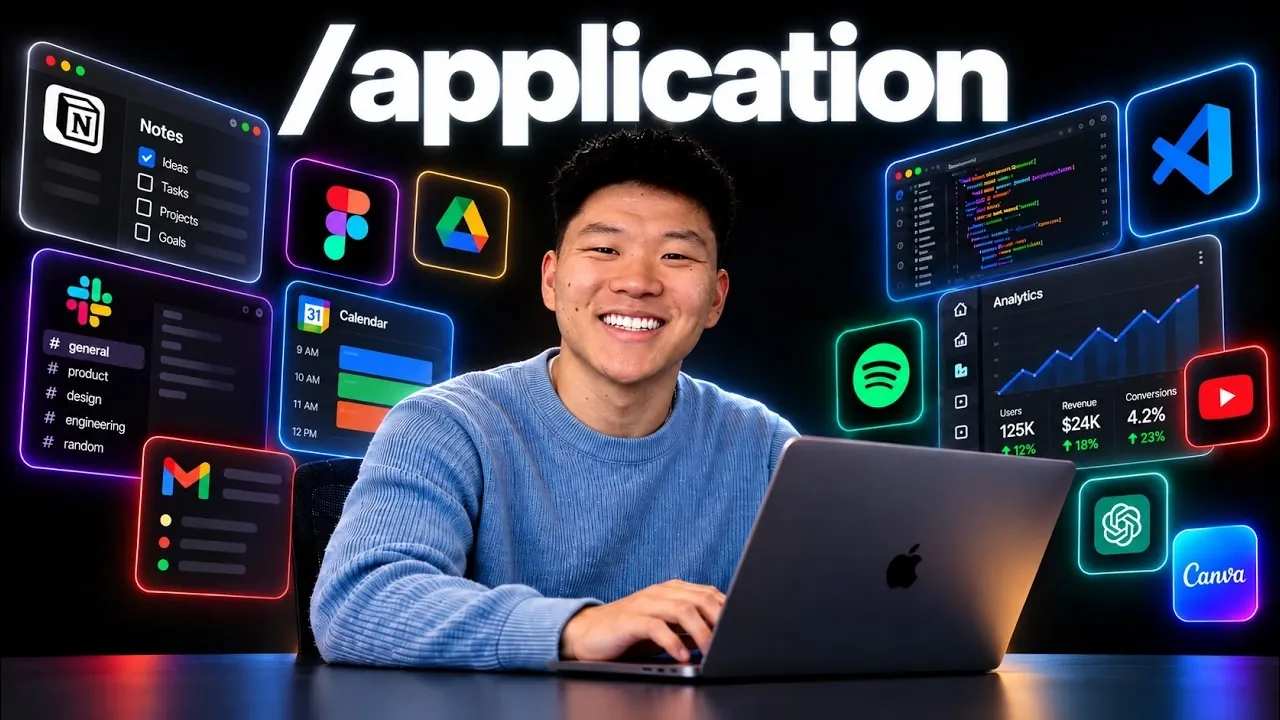
Artificial intelligence has opened the door for non-technical creators to enter the world of software development, making it possible to build and sell applications without traditional coding expertise. Nate Herk explores how AI-driven platforms, like CodeX and Claude Code, enable creators to focus on defining their goals rather than writing complex code. By using intent-driven development, you can describe your desired outcomes and AI will handle the technical execution. This approach not only simplifies the development process but also allows you to create functional software quickly and cost-effectively, even if you’re starting with no programming background.
In this how-to guide, you’ll gain insight into starting small with manageable projects, scaling your software thoughtfully and prioritizing security as your application grows. Discover how to use iterative development to refine your product based on user feedback and learn best practices for safeguarding sensitive data, such as using role-level security and environment variables. Whether you’re looking to automate tasks, solve specific problems, or bring a unique idea to market, this guide will help you navigate the process with clarity and confidence.
AI-Driven Development: Simplifying Software Creation
TL;DR Key Takeaways :
- AI tools have democratized software development, allowing non-technical individuals to create and sell software by focusing on intent-driven development rather than coding expertise.
- The rise of AI has blurred the lines between generalist and specialist developers, allowing individuals to manage entire development stacks efficiently, reducing costs and bottlenecks.
- Starting with small, manageable projects and scaling iteratively ensures effective software development, with a focus on architecture, infrastructure and user feedback for continuous improvement.
- Security is critical as software scales; best practices include securing databases, using firewalls and storing sensitive credentials in environment variables to protect user data and maintain trust.
- The future of software development emphasizes collaboration between humans and AI, empowering creators to focus on high-level objectives while AI handles technical complexities, fostering innovation and productivity.
AI tools have redefined the software development process, allowing you to create applications by providing simple prompts rather than writing complex code. By clearly describing your goals, AI coding agents such as CodeX or Claude Code can handle the technical execution for you. This approach, often referred to as intent-driven development, shifts the focus from programming to articulating your desired outcomes.
For non-technical creators, this means you no longer need to master programming languages to bring your ideas to life. The same advanced tools used by experienced developers are now within your reach, leveling the playing field. With these AI-powered solutions, you can create functional prototypes or even fully operational applications in a fraction of the time traditional development methods would require. This efficiency not only saves time but also reduces the costs associated with hiring specialized developers.
Generalist vs Specialist: A New Development Paradigm
The emergence of AI tools is also transforming the roles of generalist and specialist developers. Traditionally, software projects relied on teams of specialists, each focusing on distinct areas such as frontend design, backend logic, or database management. However, AI now enables generalists to handle tasks across the entire development stack.
This shift eliminates bottlenecks and enhances efficiency. With AI, you can independently design user interfaces, write backend logic and configure databases, all within a unified workflow. This versatility is particularly beneficial for small teams or solo entrepreneurs aiming to minimize costs while maximizing productivity. By reducing reliance on specialized expertise, AI enables you to take full control of your projects and accelerate their development.

Become an expert in AI tools with the help of our in-depth articles and helpful guides.
- ChatGPT vs Claude vs Gemini & More : AI Features, Limits & Pricing Tiers
- 9 Best free AI writing tools to help improve your writing skills
- Best Free Open Source AI Tools vs Paid Alternatives In 2026
- Gemini vs ChatGPT vs Claude writing skills comparison test
- How to Use NotebookLM and Perplexity for Faster, Smarter AI Research
- Turn Outlook into an AI Personal Assistant with Microsoft Copilot
- Warp : The Secret to Effortless AI Bot Creation & Development
- 7 Free Powerful Google AI Tools : Skip Subs and Create Apps, Images, Workflows & More
- Best AI Tools for Finance Analysts, from Research to Pitch Decks
- The Secret to Cloning a High-Revenue Apps in Under 60 Minutes (No Code)
Starting Small and Scaling Smart
When embarking on software development, it’s advisable to begin with small, manageable projects. For instance, you might develop a tool to automate a repetitive task or address a specific challenge within your organization. Once you’ve validated its effectiveness, you can scale the software for broader applications, such as commercial use.
Scaling involves more than simply adding features. It requires careful attention to software architecture, infrastructure planning and security. While modern AI tools can automate many technical aspects, thoughtful planning remains essential. Adopting an iterative development approach, where you build, test and refine your software in stages, ensures that your application evolves in response to user feedback and changing requirements. This method not only improves functionality but also enhances user satisfaction.
Prioritizing Security: Best Practices for Safe Software
As your software grows and begins handling sensitive user data, security becomes a critical concern. Neglecting security can lead to data breaches, loss of trust and potential legal consequences. To safeguard your application, consider implementing the following best practices:
- Secure databases: Use platforms like Supabase, which offer advanced features such as role-level security to control access and protect sensitive information.
- Firewalls: Set up firewalls to restrict unauthorized access to your backend and database services, making sure only authorized users can interact with your application.
- Environment variables: Store sensitive credentials, such as API keys, in environment variables rather than hardcoding them into your application to reduce exposure to potential threats.
By proactively addressing vulnerabilities, you can ensure that your software remains secure as it scales, protecting both your users and your reputation.
Refining Your Software: Continuous Improvement
Creating high-quality software is an ongoing process that requires regular evaluation and refinement. Start by defining clear objectives for your application. AI can assist by generating test data to validate your software’s functionality and identify areas for improvement. If the initial results fall short, iterate on the design and implementation until they align with your goals.
For tasks that involve subjective elements, such as user interface design, feedback loops are invaluable. Gather input from users or stakeholders to ensure that AI-generated outputs meet real-world needs and preferences. This collaborative approach not only enhances the usability of your software but also ensures that it delivers tangible value to its users.
Opportunities for Non-Technical Entrepreneurs
The rise of AI tools has created unprecedented opportunities for non-technical individuals to succeed in the software industry. Whether your goal is to build and sell software products, offer automation services, or develop tools for niche markets, the barriers to entry have never been lower.
Entrepreneurship platforms and AI-powered automation services further amplify your ability to bring innovative solutions to market. With minimal technical training, you can create impactful applications that address specific problems, generate revenue and provide value to users. This accessibility enables you to turn your ideas into reality, regardless of your technical background.
The Future of AI in Software Development
As AI tools continue to evolve, they are reshaping the role of developers and redefining the software development process. Rather than focusing on technical details, you can act as an orchestrator, using AI to handle complex tasks while concentrating on high-level objectives. This shift enhances both productivity and creativity, allowing you to achieve more with fewer resources.
The future of software development lies in the collaboration between humans and AI. By embracing these tools and adhering to best practices, you can create, scale and sell software that meets the demands of today’s dynamic market. Whether you’re an experienced developer or a non-technical entrepreneur, the opportunities for innovation in this space are vast and continually expanding.
Media Credit: Nate Herk | AI Automation
Disclosure: Some of our articles include affiliate links. If you buy something through one of these links, Geeky Gadgets may earn an affiliate commission. Learn about our Disclosure Policy.
