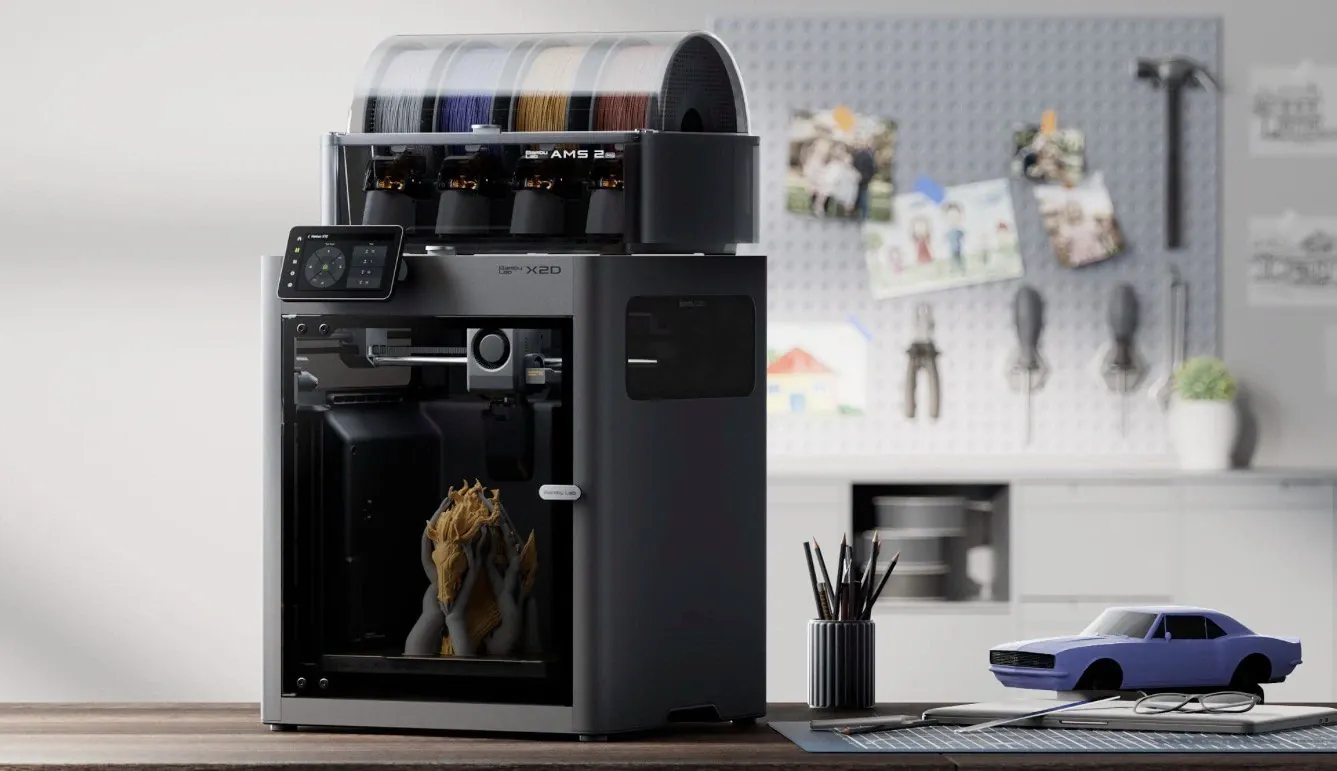
The Bambu X2D 3D printer expands on the P2S model by introducing features such as active chamber heating and a dual extrusion system, which enhance its capabilities for multi-material printing. With a 60°C heated chamber, it handles temperature-sensitive materials like ABS and nylon more effectively. Made with Layers (Thomas Sanladerer) notes that the Bowden hotend design improves speed and reduces moving mass, though it can be less effective when working with flexible filaments.
Discover how the Bambu X2D compares to alternatives like the Snapmaker U1 and Prusa Core One in terms of cost and functionality. Learn about its AMS filament system for multi-material workflows and the Bamboo Studio software, which simplifies setup and calibration. This review also examines practical considerations for users evaluating whether the X2D aligns with their specific 3D printing needs.
Bambu X2D Pricing and Value
TL;DR Key Takeaways :
- The Bambu X2D is a Core XY 3D printer with dual extrusion capabilities, priced at $899 with the AMS filament system or $649 without, offering advanced features at a competitive price point.
- Key features include dual extrusion, active chamber heating (up to 60°C), exhaust filtration and a Core XY design with a 256 mm³ build volume, making it suitable for multi-material and complex prints.
- Upgrades over its predecessor, the P2S, include active chamber heating, exhaust filtration, a tool head camera for real-time monitoring and enhanced build quality for improved durability.
- Software and usability features like Bamboo Studio software, auto-calibration and a touchscreen interface simplify the printing process for both beginners and advanced users.
- While the Bowden hotend design limits precision with flexible materials and occasional clogging issues may arise, the X2D remains a strong competitor in its price range, excelling in multi-material printing and advanced functionality.
The Bambu X2D is priced at $899 with the AMS filament system or $649 without, making it a strong contender in its category. Competing with models like the Snapmaker U1, Prusa Core One and Creality machines, the X2D offers premium features typically found in higher-end printers. These include dual extrusion, active chamber heating, and a robust build quality. For its price, the X2D delivers a balance of advanced functionality and affordability, appealing to both hobbyists and professionals.
Core Features
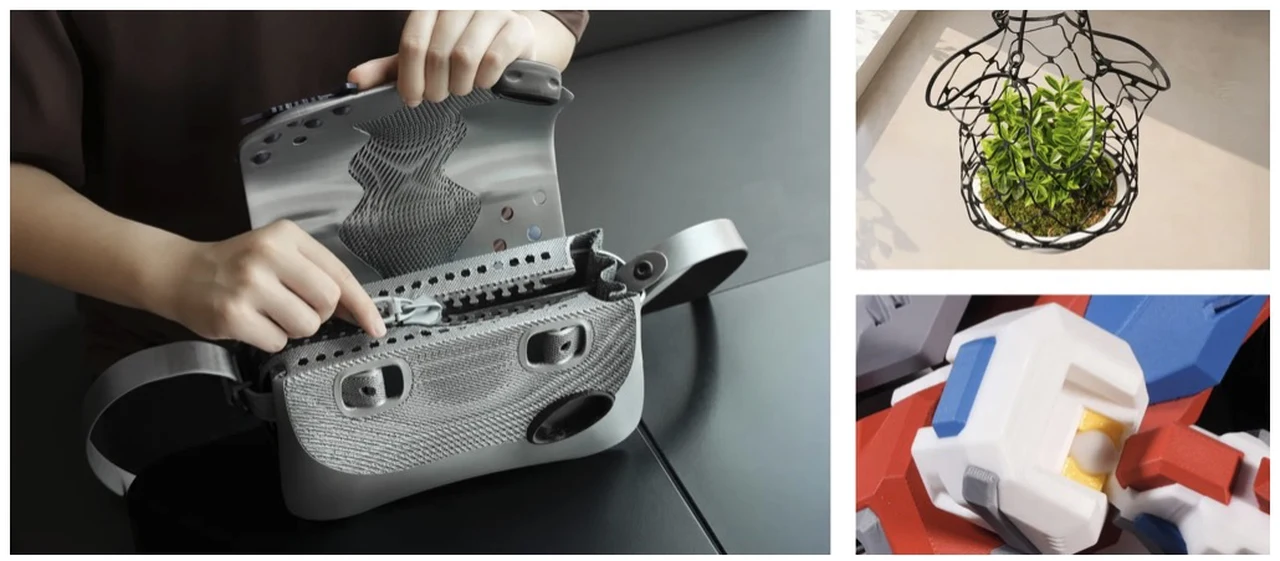
The Bambu X2D integrates advanced technologies to enhance its versatility and performance, making it a reliable choice for a wide range of applications. Key features include:
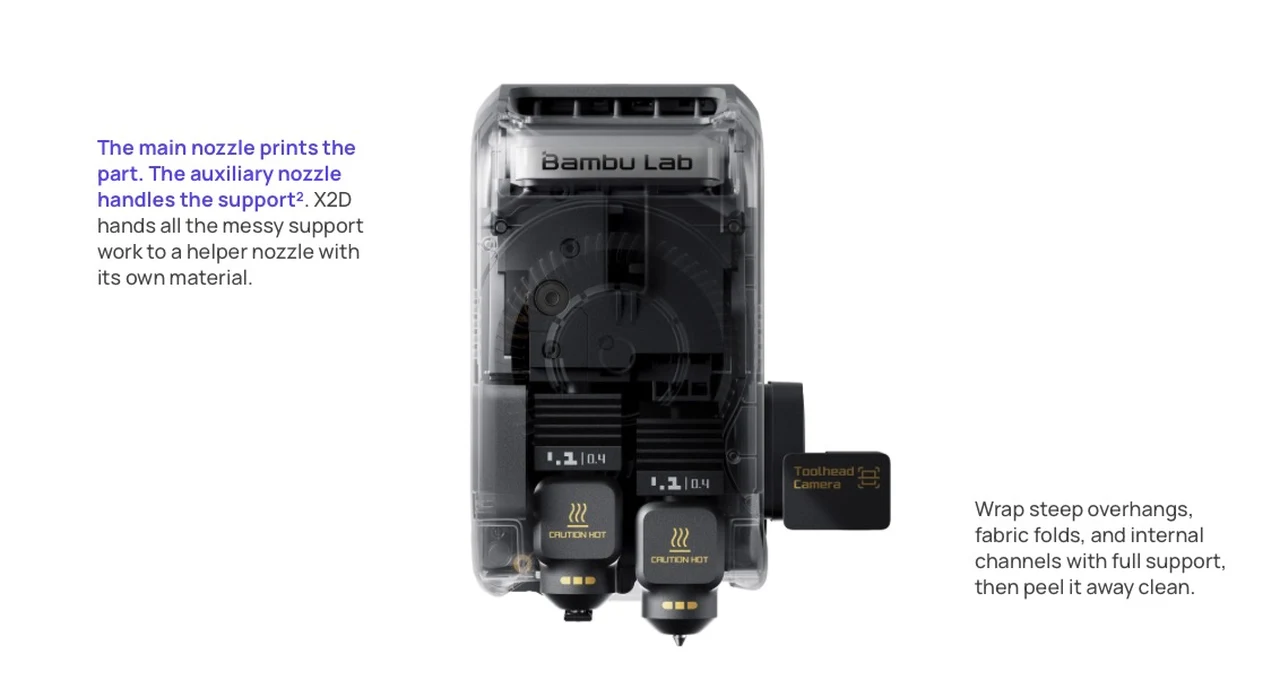
- Dual Extrusion: Equipped with a second Bowden hotend, the printer supports multi-material printing and the use of dissolvable PVA support structures, allowing complex designs.
- Core XY Design: This compact and efficient design ensures precise movement while offering a generous build volume of 256 mm³, suitable for medium to large projects.
- Active Chamber Heating: The chamber can heat up to 60°C, allowing for the use of advanced materials like ABS and nylon, which require controlled environments for optimal results.
- Exhaust Filtration: An integrated filtration system reduces emissions, improving air quality during operation and making it safer for indoor use.
These features collectively make the X2D a versatile tool for both creative and functional projects, catering to users with diverse needs.

Unlock more potential in 3D printers by reading previous articles we have written.
- lilM8 affordable ultraquiet 3D printer hits Kickstarter
- The War On 3D Printing : Design Files, Printer Sales & Platform Pressure
- open source ESP32 3D printer controller
- Kidoodle MiniBox A1 kids 3D printer
- DIY NAS Build with a 3D Printed Case & Mini PC Controller
- Multi-Color 3D Printing : The Future of Design and Manufacturing?
- X-MAKER entry-level 3D printer from $259
- Creality K2 Plus 3D Printer Review: Features, Pros, and Cons
- 3D printer enclosures and furniture for extraction
- ELEGOO OrangeStorm Giga large volume 3D printer
Performance and Design Choices
The Bambu X2D’s design prioritizes efficiency, usability and performance. Several design elements contribute to its overall functionality:
- Dual Extrusion: This feature minimizes filament swap times and reduces material waste, making it ideal for intricate, multi-material prints.
- Bowden Hotend: While the Bowden setup saves space and reduces the weight of the tool head, it slightly compromises precision and struggles with flexible materials.
- Lightweight Tool Head: By offloading mechanical components to the printer frame, the tool head remains lightweight, improving speed and stability during operation.
The primary hotend ensures consistent print quality, while the dual extrusion system adds significant functionality for advanced and multi-material projects. These design choices strike a balance between performance and practicality, making the X2D suitable for a variety of users.
Software and Usability
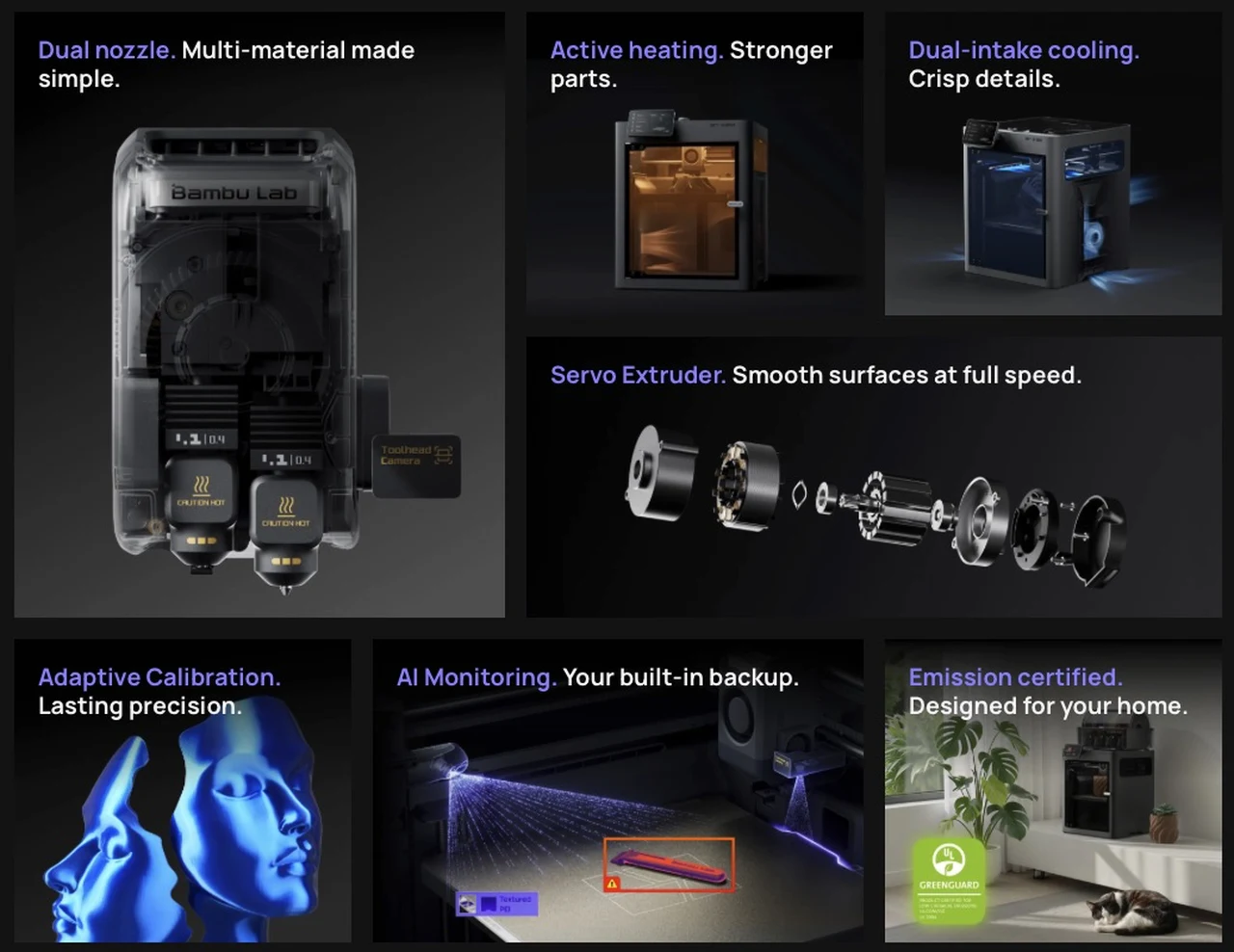
The Bambu X2D is designed with user convenience in mind, incorporating intuitive features that streamline the printing process. Key software and usability features include:
- Bamboo Studio Software: This proprietary software optimizes filament usage and print settings, simplifying the workflow for both beginners and experienced users.
- Auto-Calibration: The printer automatically aligns the dual hotends, making sure precise multi-material prints without requiring manual adjustments.
- Touchscreen Interface: A responsive and user-friendly touchscreen interface enhances navigation, making it easier to manage print jobs and settings.
These features reduce the learning curve for new users while providing advanced tools for experienced 3D printing enthusiasts, making sure a seamless and efficient printing experience.
Material Compatibility
The Bambu X2D supports a wide range of materials, making it a versatile choice for various applications. Supported materials include:
- Standard Materials: PLA, ABS and PETG, which are commonly used for general-purpose printing.
- Advanced Materials: Nylon and PVA, with the latter being ideal for dissolvable supports in complex designs.
However, the Bowden hotend design presents challenges when working with certain advanced materials, such as PPSCF and flexible filaments. Despite these limitations, the X2D remains a strong choice for most standard and advanced materials, offering flexibility for a wide range of projects.
Upgrades Over the P2S
The Bambu X2D introduces several significant improvements over its predecessor, the P2S, enhancing its functionality and user experience. Key upgrades include:
- Active Chamber Heating: Enables better performance with temperature-sensitive materials like ABS and nylon.
- Exhaust Filtration: Improves air quality during operation, making it safer for indoor environments.
- Tool Head Camera: Provides real-time monitoring of prints and assists with calibration, making sure accuracy and reducing errors.
- Enhanced Build Quality: Improved construction materials and design ensure durability and reliability over extended use.
These upgrades make the X2D a more capable and user-friendly machine, appealing to a broader audience, from hobbyists to professionals.
Limitations and Issues
While the Bambu X2D excels in many areas, it does have some limitations that users should consider:
- Bowden Hotend: The design reduces precision and struggles with flexible materials, limiting its versatility for certain applications.
- Clogging Issues: The right hotend occasionally clogs, particularly when using specific filament types, requiring periodic maintenance.
- AMS Filament System: Minor retraction issues can affect print consistency, though these are generally manageable with proper settings.
These drawbacks are relatively minor and do not significantly detract from the printer’s overall performance, especially when weighed against its numerous strengths.
Comparison to Competitors
The Bambu X2D holds a competitive edge over similarly priced models in the market. Its dual extrusion capability is a standout feature in its price range, giving it an advantage over competitors like the Snapmaker U1, Prusa Core One and Creality machines. The combination of advanced features, robust build quality and affordability makes the X2D a versatile and efficient option for a wide range of users, from hobbyists to professionals.
The Bambu X2D strikes an impressive balance between performance, cost and usability. Its dual extrusion system, active chamber heating, and intuitive software make it a compelling choice for users seeking high-quality multi-material printing. While it has some limitations, such as the Bowden hotend’s reduced precision and occasional clogging issues, these are outweighed by its strengths. For advanced users and professionals, the X2D offers exceptional value and functionality in a compact, affordable package.
Media Credit: Made with Layers (Thomas Sanladerer)
Disclosure: Some of our articles include affiliate links. If you buy something through one of these links, Geeky Gadgets may earn an affiliate commission. Learn about our Disclosure Policy.
